Who Is Pat LaFontaine?
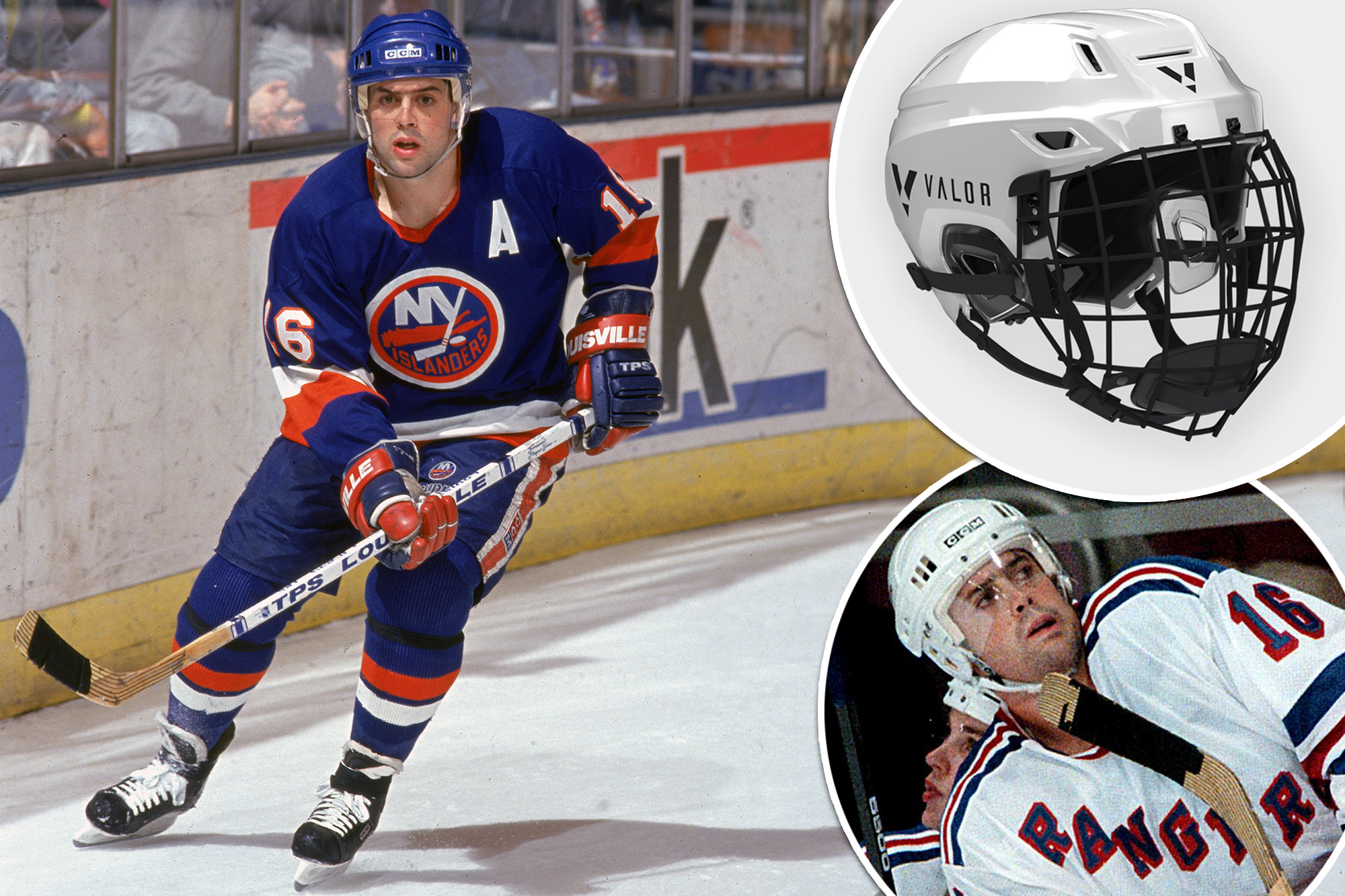
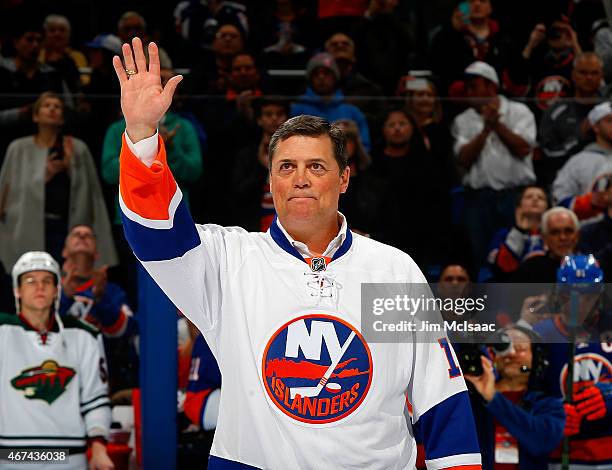
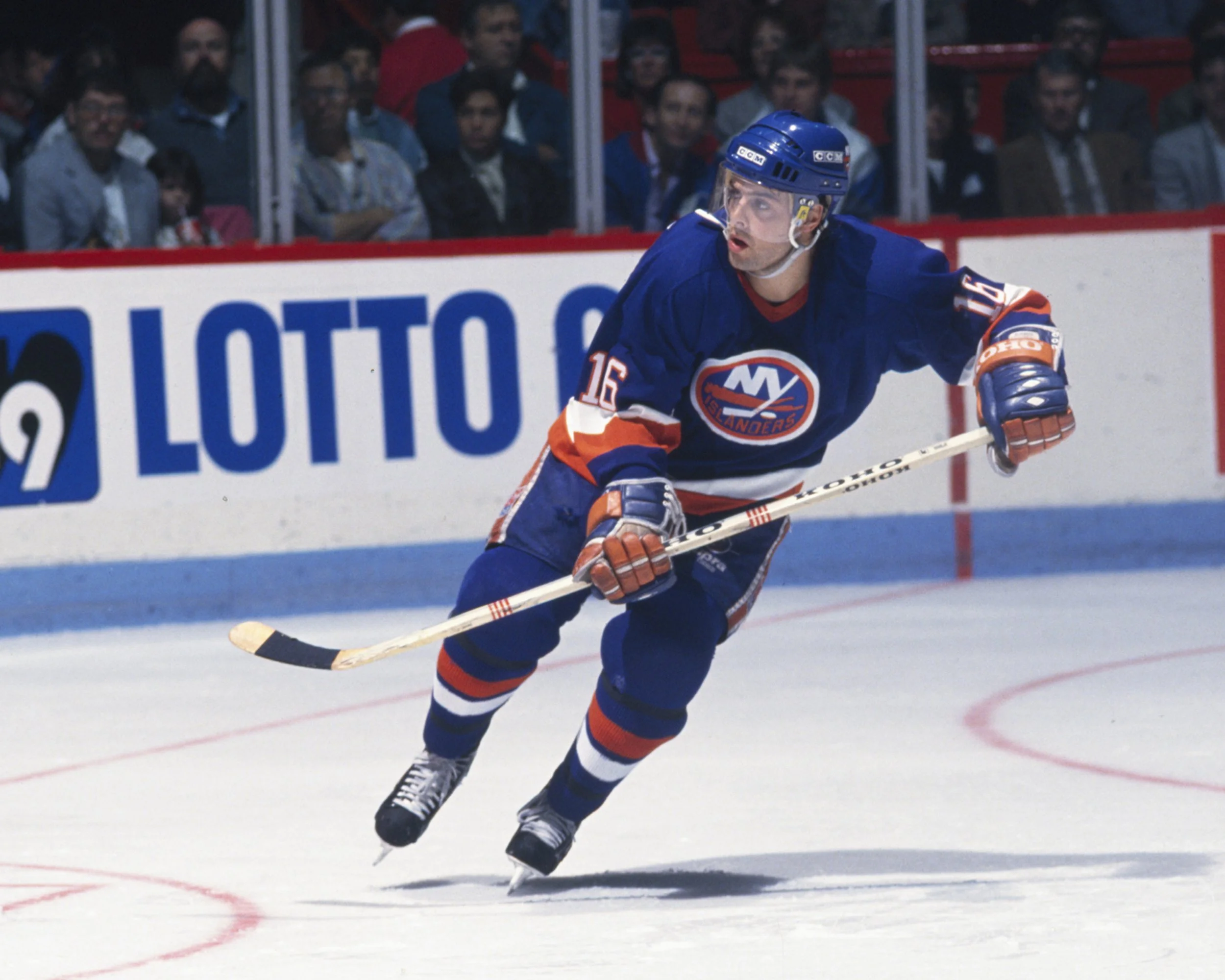
Pat LaFontaine is a retired American ice hockey center and Hall of Famer who starred in the NHL during the 1980s and 1990s for the New York Islanders, Buffalo Sabres, and New York Rangers.[2][4][5] Over 865 regular-season games, he recorded 468 goals and 1,013 points, giving him a league-best 1.17 points per game among American-born players.[2][5][8]
Drafted by the Islanders and debuting in 1983, LaFontaine quickly developed into one of the league’s premier offensive talents, combining elite skating, vision, and shooting ability.[2][4] Concussions cut his career short in 1998, but his impact was formally recognized with induction into both the Hockey Hall of Fame and U.S. Hockey Hall of Fame in 2003.[4][5]
Career Highlights and Records
LaFontaine’s most celebrated stretch came with the Buffalo Sabres, where he set a franchise record with 148 points in the 1992–93 season, including 53 goals and 95 assists, the highest single-season point total ever by an American-born NHL player.[2][4][5] He also produced six straight 40-goal seasons, underscoring the consistency of his scoring prowess.[1][4]
Throughout his 15-year career, LaFontaine appeared in five NHL All-Star Games and collected several major awards, including the Bill Masterton Memorial Trophy in 1995 for perseverance and dedication to hockey.[2][4][7] In 1997 he received the Lester Patrick Trophy for outstanding service to hockey in the United States, and in 2017 he was named one of the NHL’s “100 Greatest Players,” solidifying his legacy among the game’s all-time great forwards.[2][5]
Ongoing Legacy and Impact Today
LaFontaine’s story remains highly relevant today because it blends extraordinary offensive talent with the modern conversation around player safety and concussions.[3] His premature retirement after multiple head injuries is frequently referenced in discussions of NHL concussion protocols and long-term health, making him an important historical case when evaluating how the league protects players.[3]
Beyond health issues, LaFontaine continues to influence the sport through his public profile, past executive role as Buffalo’s president of hockey operations, and ongoing charitable and community efforts connected to hockey.[2][3][5] For fans and analysts, he is a touchstone in debates about the greatest American players, a central figure in the histories of the Islanders and Sabres, and a model of professionalism and resilience whose highlight reels and records still resonate with new generations.[2][4][5]