
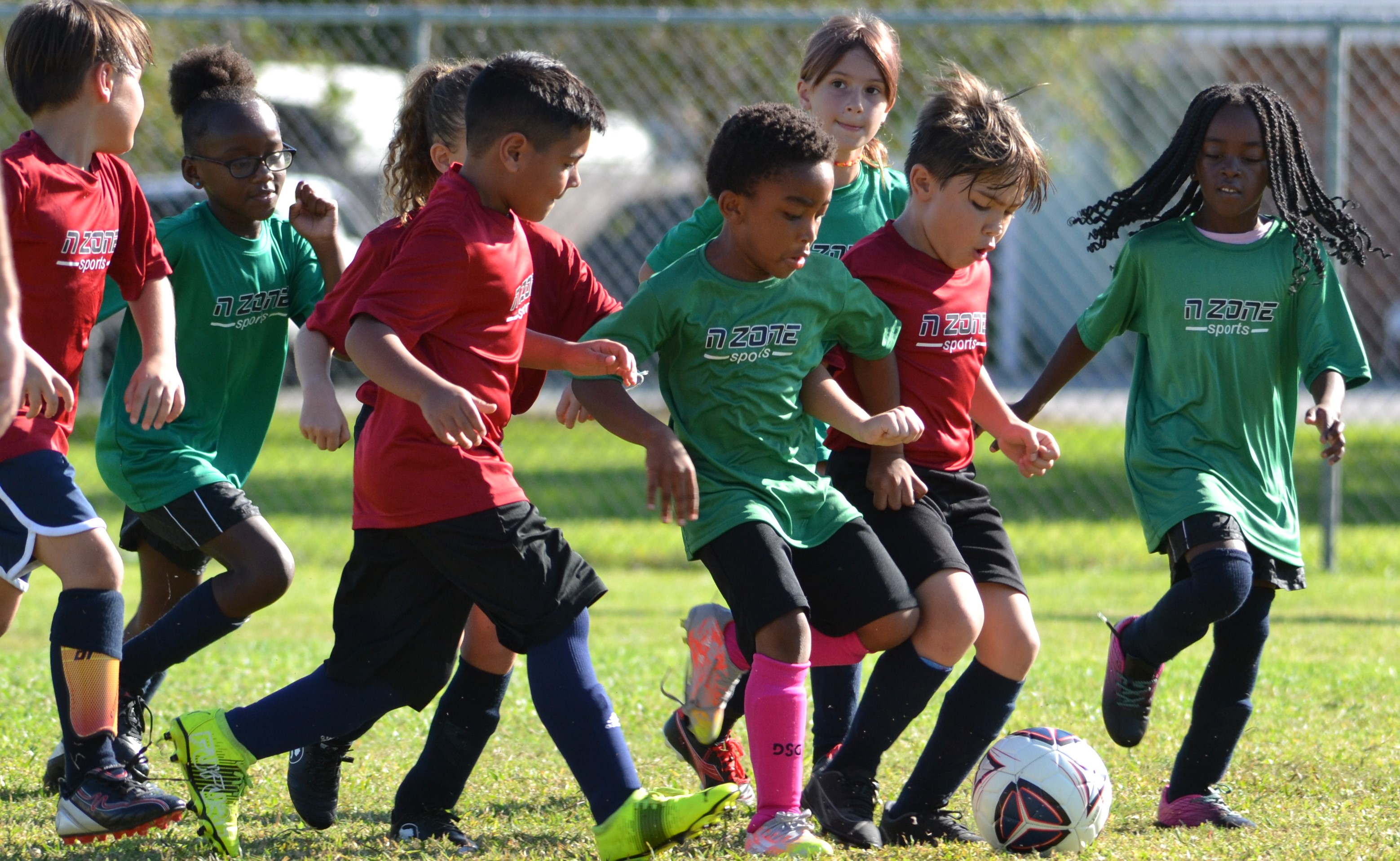

2025 Participation Trends and Challenges
National data reveals a 3% decline in regular soccer participation for kids ages 6-17 from 2019-2024, with 6-12-year-olds down 14% over three years amid broader youth sports struggles. Yet, core sports play for 6-12s hit post-2015 highs in 2024. Flag football's 14% rise competes, narrowing soccer's lead from 6.4 to 3.5 percentage points for young kids.
Low-income youth face growing access issues, with only 35.5% playing regularly in 2012 versus 49.1% in high-income homes—a gap now at 20.2 points. About 55% of U.S. youth play organized sports overall, up slightly to meet 63% by 2030 goals in 14 states. Soccer's 14.1 million total players (ages 6+) mark an 8.1% rise through 2023.
Family costs exacerbate divides: parents spent 69% more on kids soccer in five years, averaging over $1,000 even for 6-10s. This shifts focus to community programs offering affordable entry.
Success in Underserved Communities
The U.S. Soccer Foundation's Soccer for Success bucks trends with 39% average growth over three years and 64% last year, aiming for 100,000 kids next school year. It introduced soccer to 58% of participants, with 76% liking it more post-program, fostering confidence and community ties.
Governments, foundations, and philanthropists invest due to health benefits and after-school engagement. By 2026 FIFA World Cup, goals include 1,000 safe play spaces and 1 million annual participants, emphasizing evidence-based youth development.
Market Growth and 2026 Changes
The U.S. soccer training market, valued at $1.689B in 2024, grows at 3.9% CAGR to $2.128B by 2030, propelled by youth influx into academies and leagues. Over 300,000 volunteer coaches and 95,000 referees support 3M+ players, median age 11.5.
Key 2026 shift: US Youth Soccer, US Club Soccer, and AYSO revert to seasonal-year age groups for fairer play. This, plus training surges, signals optimism despite costs and competition from flag football.