

Participation and Retention Surge
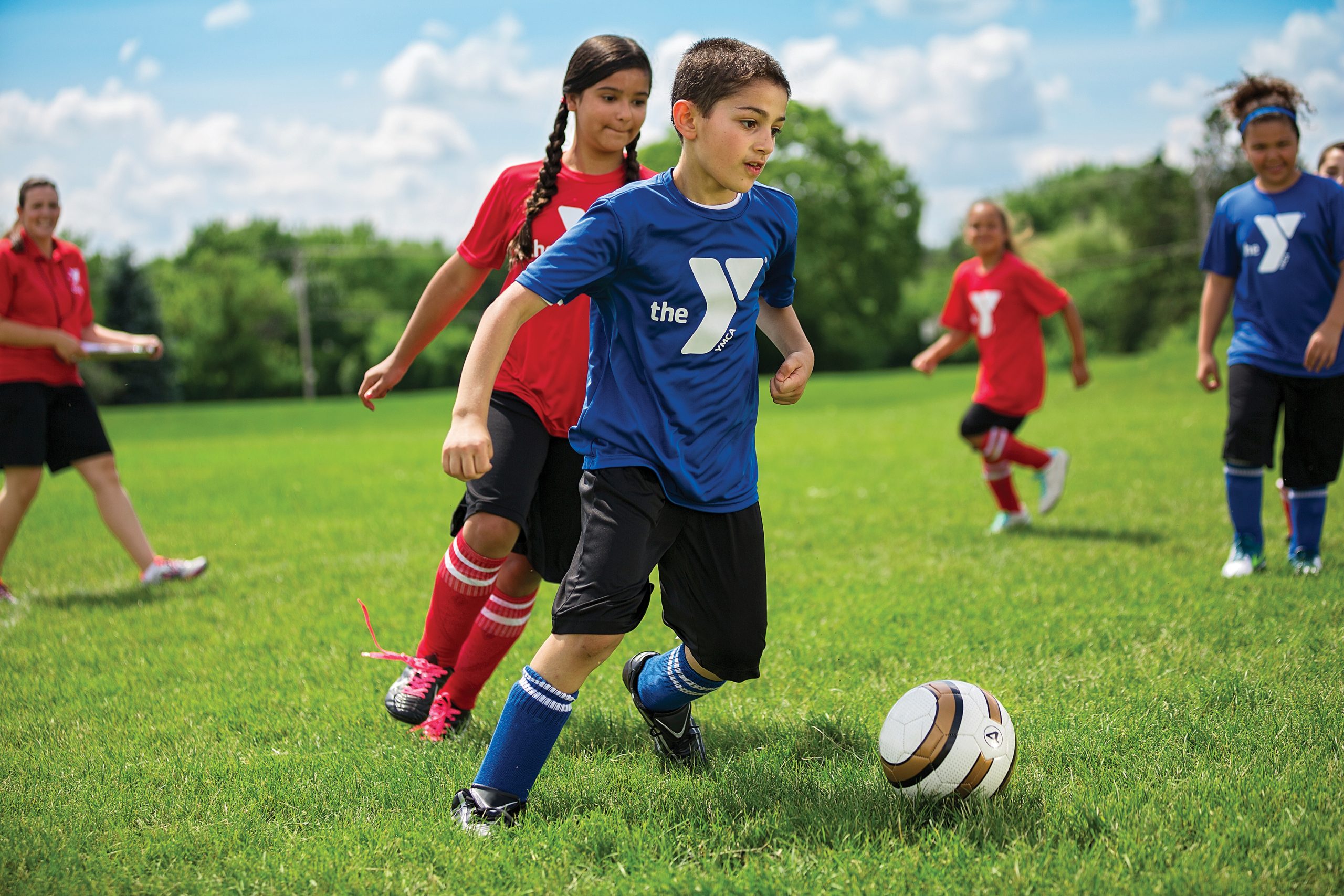
Youth soccer participation remained robust in 2025, with about 26% of kids playing per parental surveys, on par with football and basketball.[2] Casual organized play overall rose 6-7% for ages 6-17, hitting a record 65% trying sports at least once.[5]
Girls' involvement grew notably, outpacing boys at 9.5% increase in team sports, fueled by role models and inclusive programs.[6] Organizations like Soccer for Success reported 39% average growth, aiming for 100,000 kids with affordable access.[4]
However, competition from exploding sports like girls' flag football narrowed soccer's lead among 6-12-year-olds from 6.4 to 3.5 percentage points since 2012.[5]
Sprocket Sports benchmarks highlight high retention in early years, up slightly from prior years, supporting long-term engagement.[1]
Major Reforms for Inclusivity
A pivotal 2025 change aligns age groups to the August 1–July 31 cycle starting 2026, matching school years for better social cohesion and retention, akin to European models.[3]
Grassroots celebrations expanded at National Championships, honoring sportsmanship and participation beyond elite wins, fostering community pride.[3] Lower costs via direct nationals advancement and partnerships reduce travel burdens.[3]
These shifts address pay-to-play critiques, fragmented pathways, and accessibility gaps, promoting sustainable growth.[3]
Impacts and 2026 Outlook
U.S. men's youth national teams excelled in 2025 tournaments, inspiring grassroots levels.[7] Amid volleyball's 12.6% boys' high school rise and flag football's boom, soccer focuses on core motor skills and teamwork for younger players.[2][5]
Experts predict steady growth from first-time and flexible programs, building a deeper talent pool ahead of World Cup 2026.[2][8]