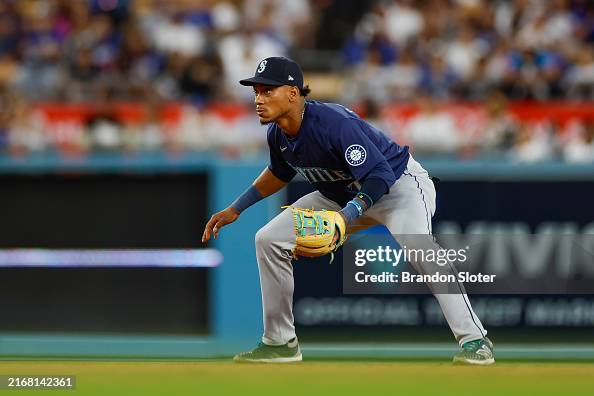
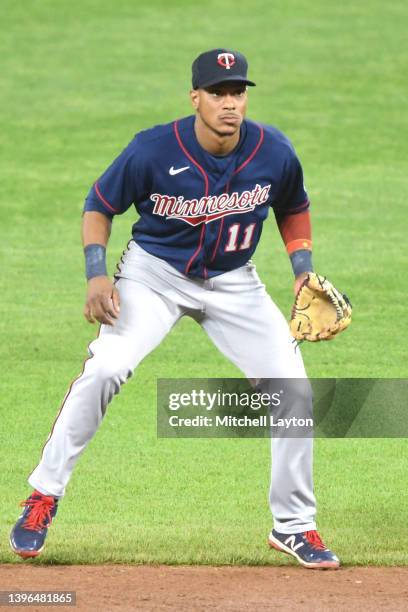
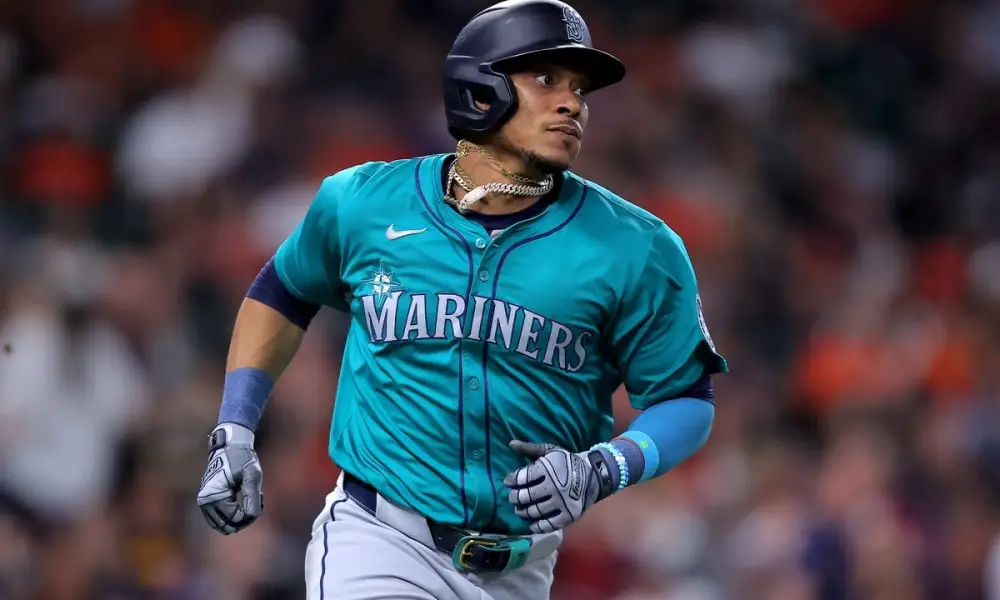
Who Is Jorge Polanco and What Position Does He Play?
Jorge Polanco is a Dominican-born, switch-hitting infielder who debuted in MLB with the Minnesota Twins and later played for the Seattle Mariners before joining the New York Mets. Over the course of his career, he has logged time at shortstop, second base, and third base, evolving from a primary shortstop into a regular second baseman.[1]
Polanco is officially listed as a second baseman on his MLB player page, reflecting his role in recent seasons and cementing that position as his primary defensive home.[1] His ability to move around the infield, however, gives managers additional tactical options and makes him more than just a single-position player.
Polanco’s Expected Role and Position with the Mets
After agreeing to a two-year contract with the New York Mets, Polanco is widely projected to serve as the team’s primary second baseman. Reports surrounding the deal describe him as an everyday infielder whose bat and experience make him a strong fit in the middle of the Mets’ infield alignment.[2]
Positioning Polanco at second base allows the Mets to maximize his comfort and recent defensive track record while strengthening a key up-the-middle position. From there, he can provide steady defense and above-average offensive production, helping to stabilize the infield and deepen the lineup at a traditionally defense-first spot.[1]
Infield Versatility and Team Impact
While second base is his primary position, Polanco’s history at shortstop and third base gives the Mets valuable insurance across the infield. If injuries or performance issues arise for other infielders, he can shift to short or third in response, allowing the club to adjust without a major drop-off in quality.[1]
Offensively, deploying a switch-hitting power bat at second base creates flexibility for the Mets to prioritize defense or specific skill sets at other infield spots. Polanco’s ability to hit from both sides and provide extra-base power means the Mets can better balance their lineup against right- and left-handed pitching, amplifying the overall impact of his positional fit.[1]