
What the Jayden Daniels Injury Means
“Jayden Daniels injury” describes the Washington Commanders quarterback’s dislocated left elbow and subsequent aggravation, which ultimately prompted the team to end his season early. After missing time with a knee sprain and hamstring strain, this latest setback convinced Washington that continued play would pose too much risk to his long‑term health.
Team evaluations following his Week 14 exit concluded that Daniels was not cleared for contact, making it unlikely he could safely return for the remaining games. Rather than push their franchise quarterback back into action, the Commanders chose to prioritize recovery while keeping him engaged in practice and meetings in a limited, controlled capacity.
Timeline of Jayden Daniels’ Elbow Setback
Daniels’ injury‑plagued season began with a left knee sprain in Week 2, followed by a right hamstring strain in Week 7 that again kept him off the field. The most serious blow came on November 9, when he dislocated his left elbow while scrambling late in a heavy loss, an injury that sidelined him for three games and raised concerns about his durability over a long season.
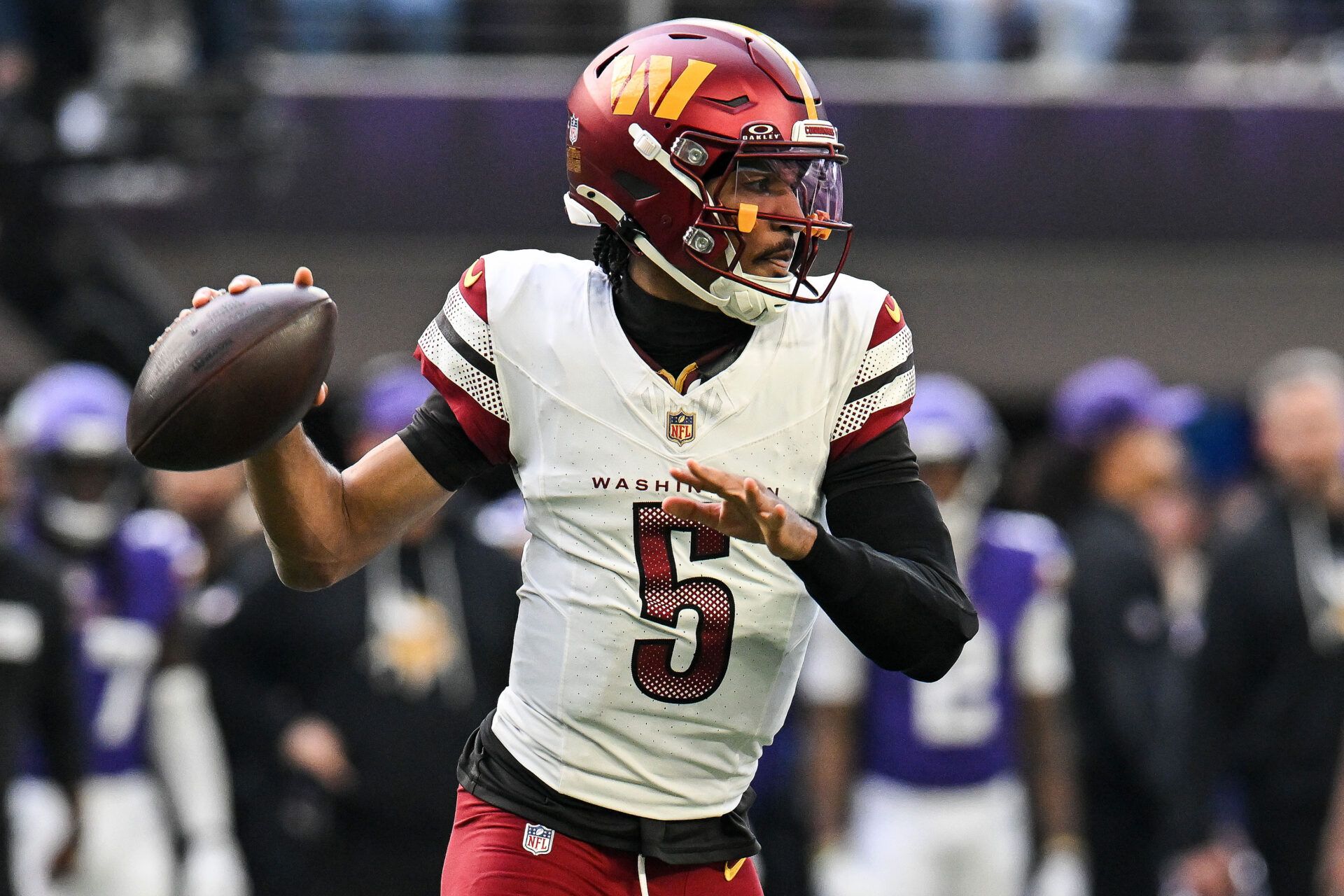
He returned in Week 14 against Minnesota, but the comeback was short‑lived. After throwing an interception, Daniels was pushed to the ground and landed on the same elbow, leaving the game in the third quarter. Subsequent tests revealed that he had aggravated the original dislocation, ending hopes for another rapid return and setting the stage for Washington’s decision to shut him down.
Why the Commanders Shut Down Jayden Daniels
Head coach Dan Quinn explained that Daniels still had not been cleared for contact and that a compressed schedule left little opportunity for further healing, making a late‑season comeback unrealistic. Given that the quarterback had departed each of his last three games due to injury and the team was not in playoff contention, medical and competitive factors aligned in favor of ending his season early.
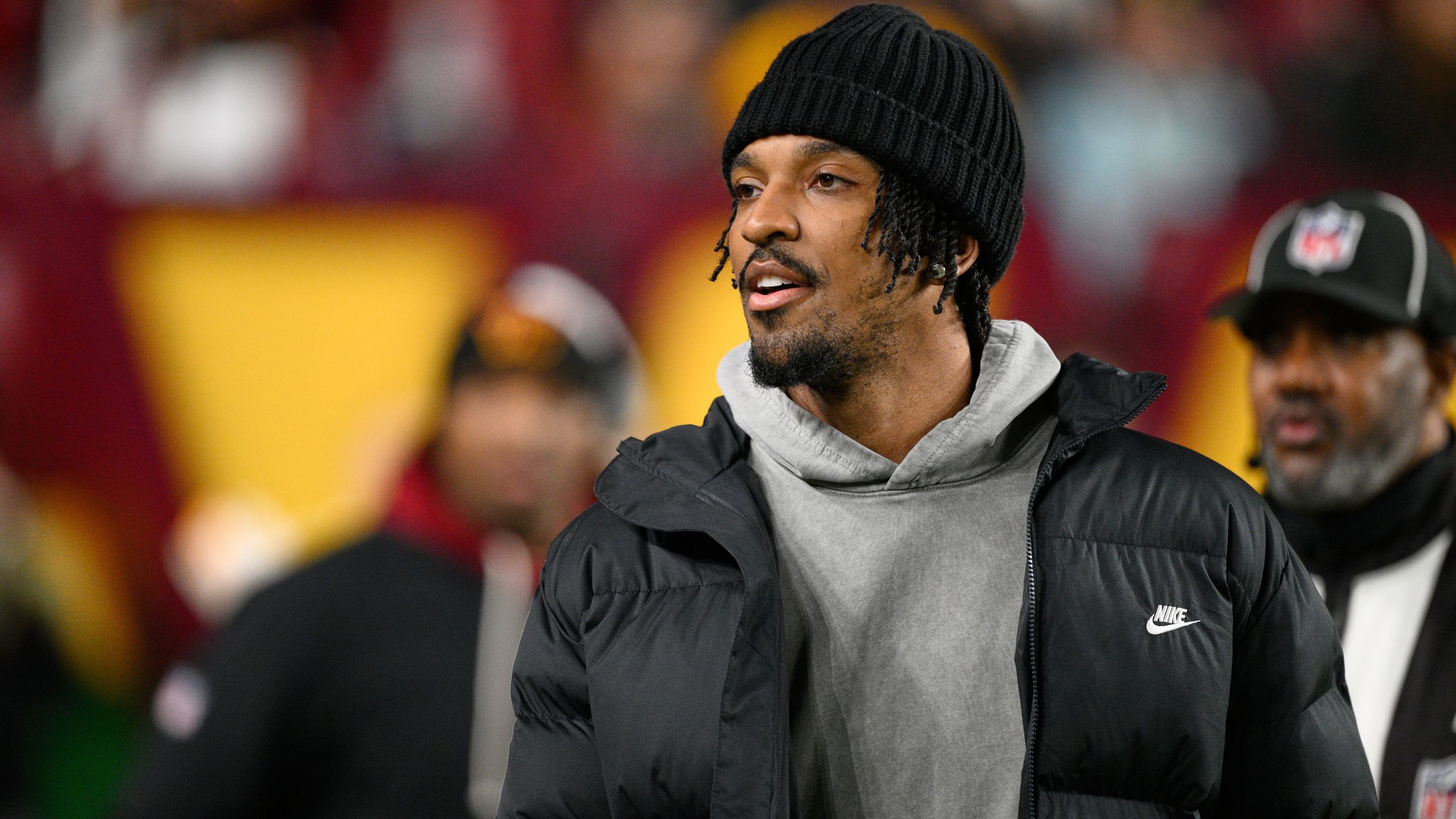
Veteran Marcus Mariota has been tasked with starting the final games, while Daniels remains active in the team environment without taking the hits that come with live game action. For the Commanders, this approach sacrifices short‑term upside in exchange for protecting a young star they view as their long‑term answer at quarterback, with an eye on him returning next season fully healthy and better prepared to manage the physical demands of his role.