Who Is Henry Ruggs and Why Is He In Prison?
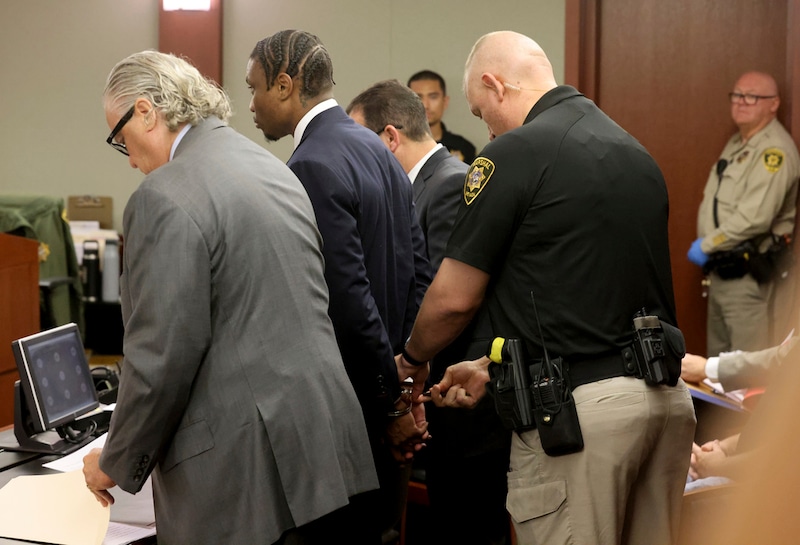
Henry Ruggs is a former Las Vegas Raiders wide receiver who is serving a three- to ten-year prison sentence in Nevada for a 2021 DUI crash that killed a woman and her dog in Las Vegas.[2][3] After pleading guilty to felony DUI resulting in death and misdemeanor vehicular manslaughter, he entered the Nevada Department of Corrections system, ending his NFL career.[3]
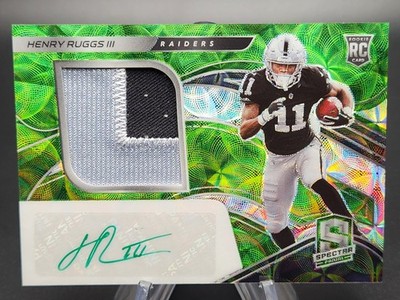
Ruggs was once a highly touted prospect, drafted in the first round out of the University of Alabama, and expected to be a long-term offensive weapon for the Raiders.[2][3] The fatal crash and subsequent conviction transformed him from a rising star into a central figure in a widely publicized criminal case about impaired driving and athlete accountability.[2][3]
Recent Prison Transfer and Rule Breach
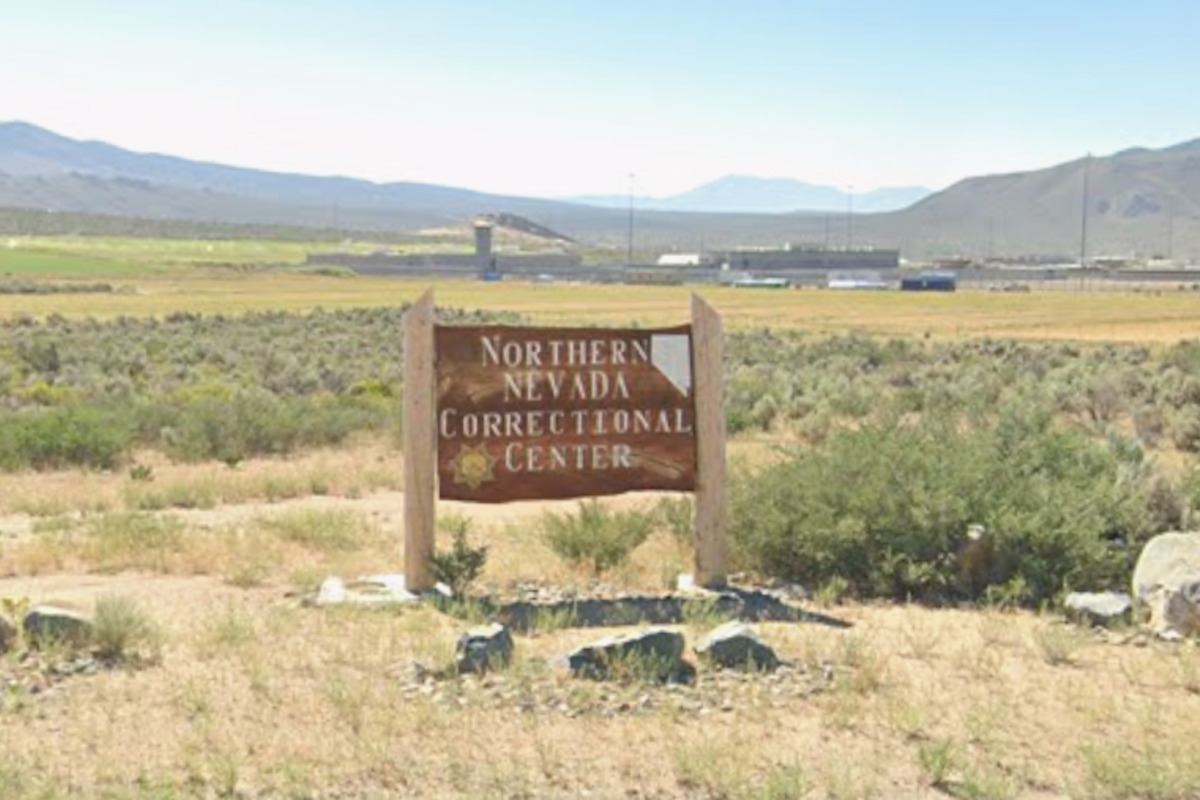
Nevada corrections officials have confirmed that Ruggs was moved from a minimum-security transitional housing center in Las Vegas to a medium-security prison in northern Nevada.[1][2] They did not release specific details but stated that such transfers usually occur when an incarcerated person breaks institutional rules, suggesting that a rules violation triggered the move.[1]
Before this transfer, Ruggs had progressed from High Desert State Prison to Stewart Conservation Camp and then to transitional housing, reflecting a gradual reduction in custody level as he served his sentence.[2] Being sent back to a higher-security facility means tighter restrictions, fewer privileges, and potentially reduced access to work or reentry programs, which can affect both daily life in custody and how his rehabilitation is perceived.[1][2]
Parole Outlook and Broader Impact of the Case
Ruggs’s sentence of three to ten years makes him eligible for parole after serving at least three years, with current information indicating a possible eligibility date in 2026 if he maintains credit for time served.[3] The recent rule-related transfer does not change the formal sentence but may become part of his institutional record, which parole boards typically review when assessing risk and readiness for supervised release.[2][3]
The case continues to influence public discussions about drunk driving, celebrity justice, and how the criminal system treats high-profile defendants.[2][3] For the NFL and other sports organizations, Ruggs’s downfall underscores the importance of player education, support structures, and strict policies around alcohol and driving, as his actions and their consequences remain a cautionary example for athletes and fans alike.[2][3]