
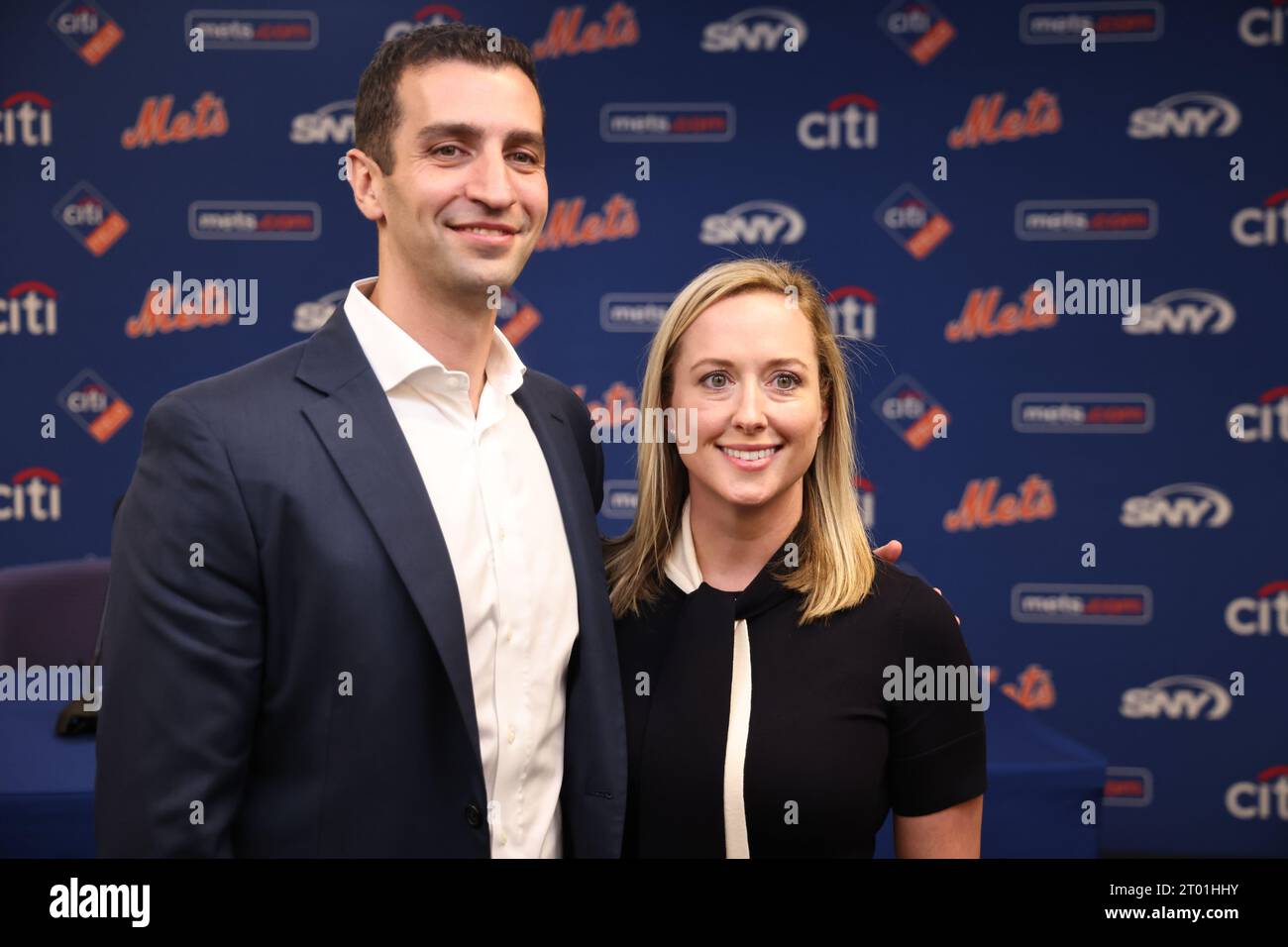
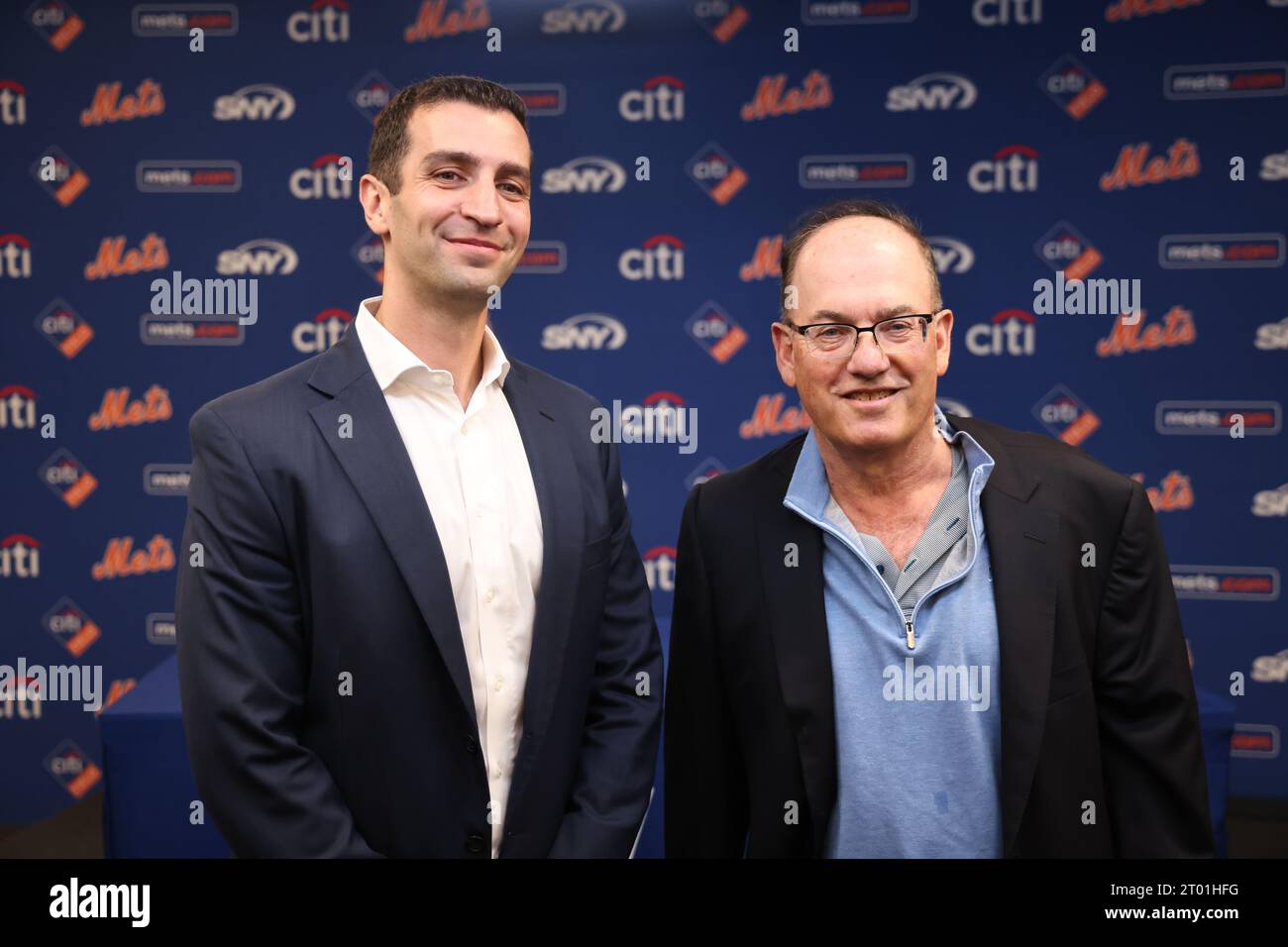
Who Is David Stearns?
David Stearns is an American baseball executive who serves as the president of baseball operations for the New York Mets, overseeing the club’s entire baseball operations department.[1][2] In this role, he is the top architect of the Mets’ roster, responsible for trades, free-agent signings, analytics strategy, and player development.
Before joining the Mets, Stearns led the Milwaukee Brewers’ baseball operations, where he guided the organization through one of the most successful stretches in its history with multiple postseason appearances.[1][2] His success in Milwaukee and his background with analytically inclined front offices helped establish him as one of MLB’s most respected modern executives.
Stearns’ Early Impact on the Mets
Since arriving in New York, Stearns has been tasked with turning the Mets into a consistent contender in a demanding market.[1][2] Under his leadership, the club has already seen a notable improvement in performance, including a significant increase in wins and a return to postseason contention.[1]
Stearns has paired the Mets’ financial strength with a disciplined, long-term view, avoiding purely short-term gambles while still pursuing high-end talent when it fits the organization’s competitive window.[1] His moves reflect a blend of star-level acquisitions and efforts to deepen the roster, aiming to build a team that can sustain success rather than peak for just a single season.
Pitching Strategy and Trust in Young Arms
One of the most closely watched aspects of Stearns’ current plan is how he is handling the Mets’ starting rotation. He has said the Mets would like to add another starter, but he has also made clear that the organization expects its young pitchers to make “significant contributions” in the coming season.[3] That stance highlights his belief that internal development is critical, even for a big-market team.
Stearns has described an approach in which the Mets remain active in the pitching market while preserving opportunities for emerging arms to win jobs.[3][4] By blending veteran additions with chances for younger starters to establish themselves, he is trying to construct a staff that is both competitive now and better positioned for the future.