Causes and Triggers of Avalanches
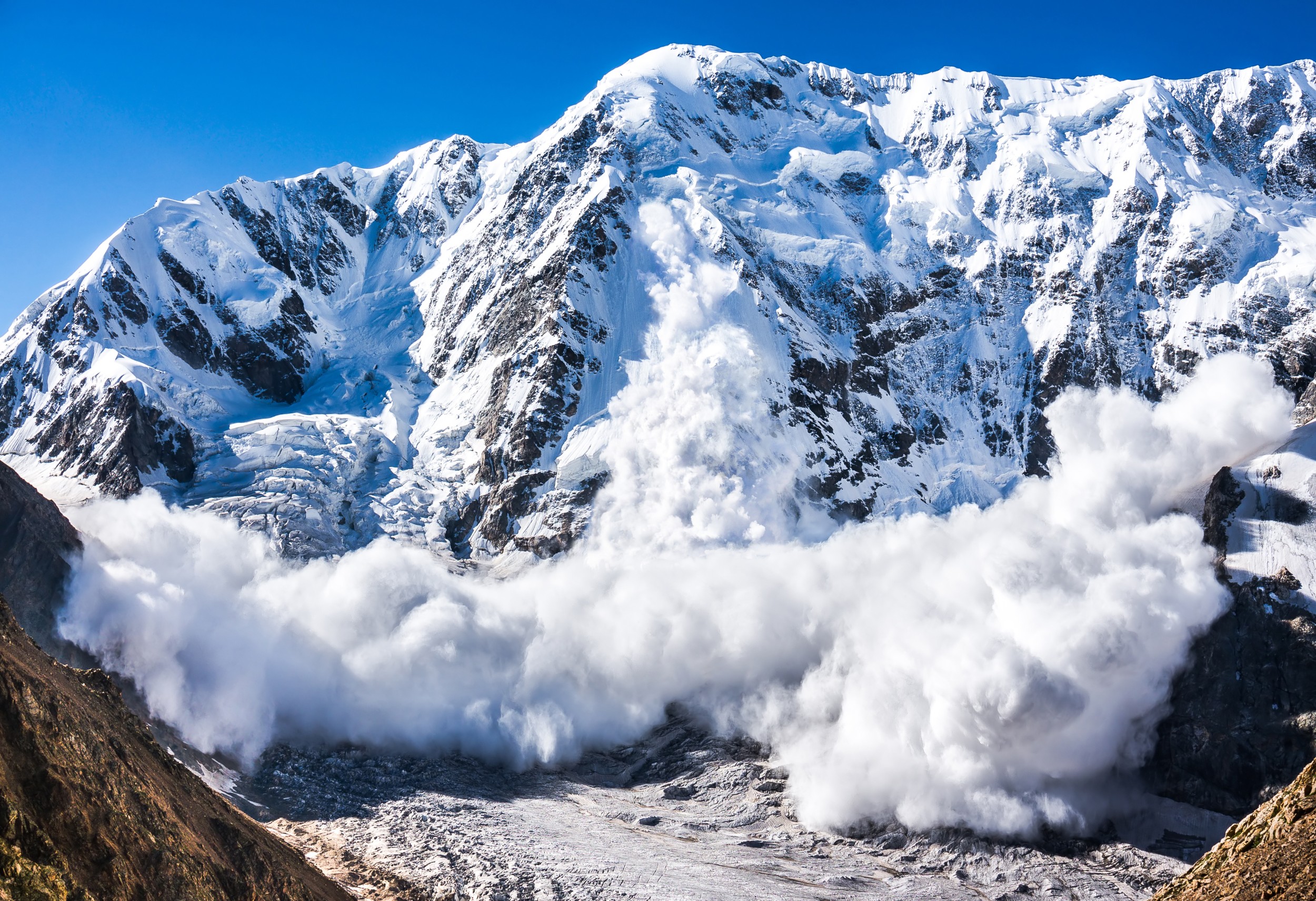
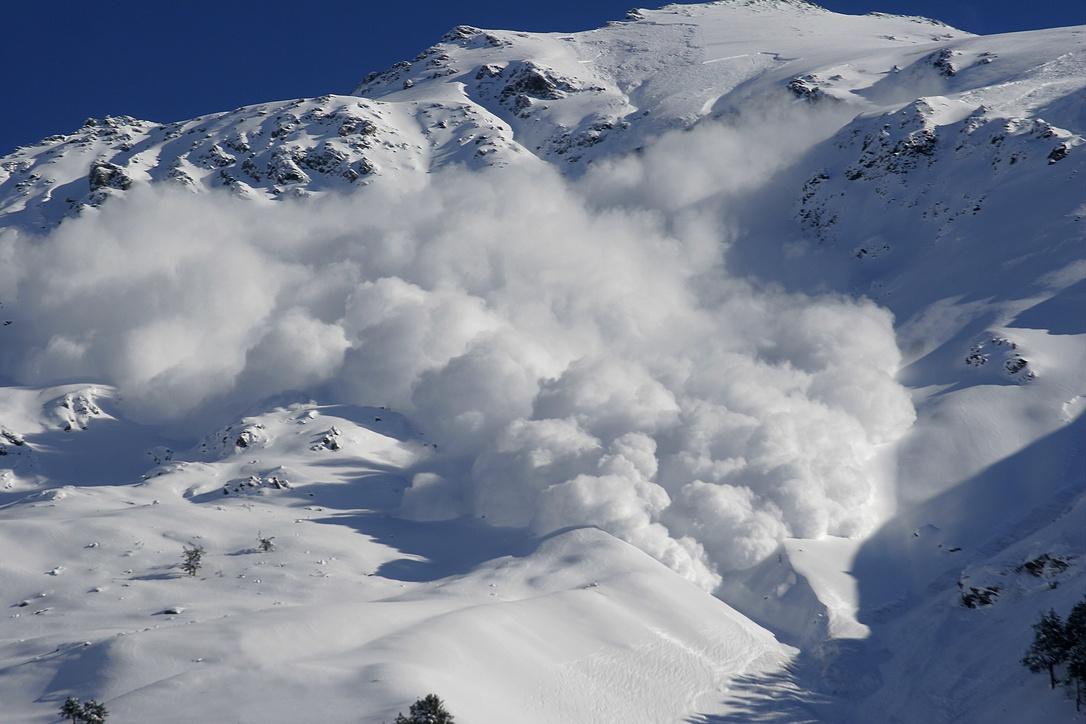
Most avalanches form spontaneously during storms from heavy snowfall adding load or erosion weakening the snowpack. Metamorphic changes like solar melting or rain are key natural triggers, alongside earthquakes and rockfalls.[1]
Artificial triggers include skiers, snowmobiles, and explosives, but loud noises do not cause them due to insufficient pressure. Slopes must be steep enough for acceleration yet allow snow accumulation, typically 30-45 degrees.[1]
Recent 2025 data shows rain-on-snow events and rapid temperature rises near freezing points creating persistent weak layers like surface hoar or facets, leading to widespread slab failures.[3]
Common Types of Avalanches
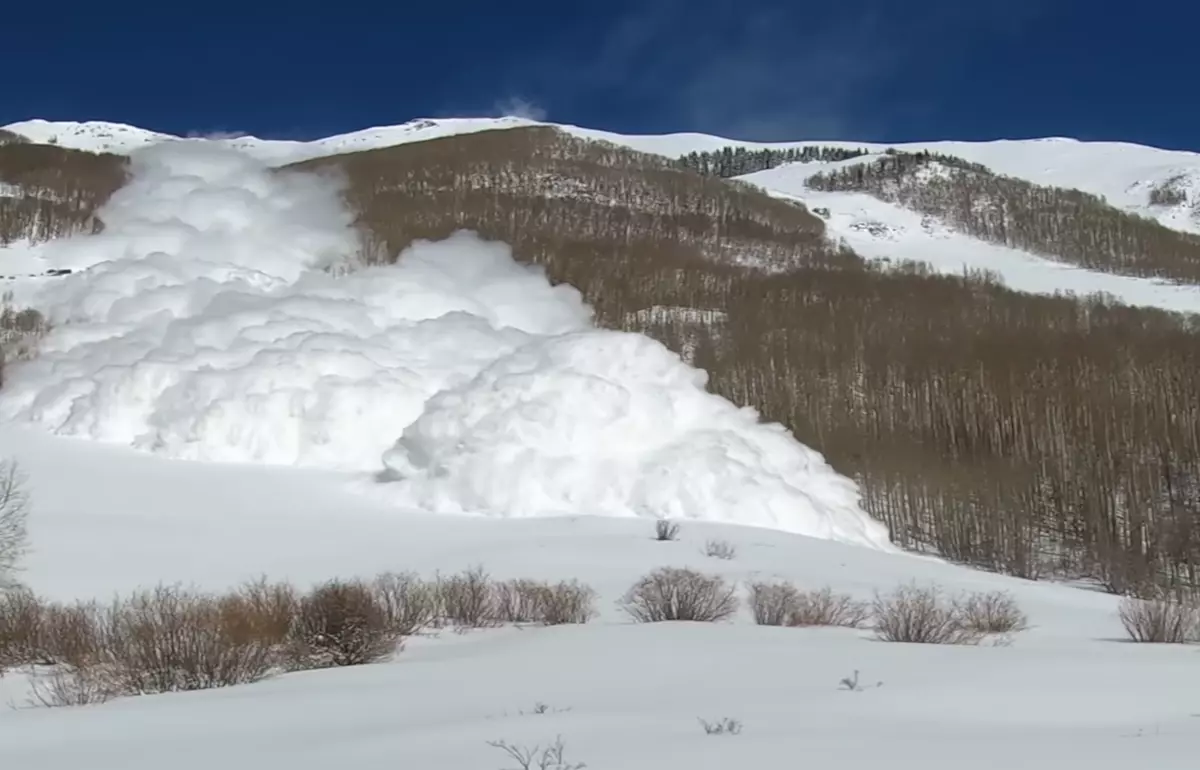
Slab avalanches involve a cohesive snow layer sliding over a weak base, often propagating widely and triggered remotely. Persistent slabs from buried facets remain dangerous for months.[3]
Wet slab and wet loose avalanches occur during warming or rain, as meltwater lubricates layers, making them harder to predict and more destructive than dry types.[3]
Other types include wind slabs from drifted snow, cornice falls breaking off ridges, and glide avalanches releasing the full snowpack on smooth ground, all elevated in 2025's variable weather.[3]
Safety Tips and 2025 Impacts
Avalanches threaten lives, infrastructure, and ecosystems, with US regions like Colorado seeing frequent events from heavy winter accumulation. Check forecasts, avoid steep wind-loaded slopes, and carry beacons, shovels, probes.[5][7]
Travel in groups, practice companion rescue, and recognize signs like cracking snow or recent slides. In 2025, socio-environmental changes like deforestation increase damage in mid-latitude mountains.[1]
Education via centers like Avalanche.org emphasizes terrain awareness; most fatalities occur in backcountry recreation, underscoring the need for current risk assessments amid intensifying storms.[4]