What Is a Winter Storm Warning?
A winter storm warning is an urgent alert from meteorological agencies, such as the National Weather Service in the United States, issued when severe winter weather is expected or already occurring and will create dangerous or life‑threatening conditions. It typically involves heavy snow, sleet, or significant ice accumulations that will make travel and outdoor activity hazardous.
Warning criteria can vary by region, but they often require several inches of snow within a short period, strong winds that cause blowing and drifting snow, or ice that may damage trees and power lines. In practice, a winter storm warning means confidence is high that impactful weather is imminent, and people in the affected area should complete preparations and be ready to remain in place until conditions improve.
Current Impacts and Risk Areas
Recent winter storms crossing the central and eastern United States have prompted widespread winter storm warnings, with some regions forecast to receive more than a foot of snow in a single event. These systems have produced intense snow bands, rapidly changing conditions, and sharp temperature drops that increase the risk of accidents and cold‑related health issues.
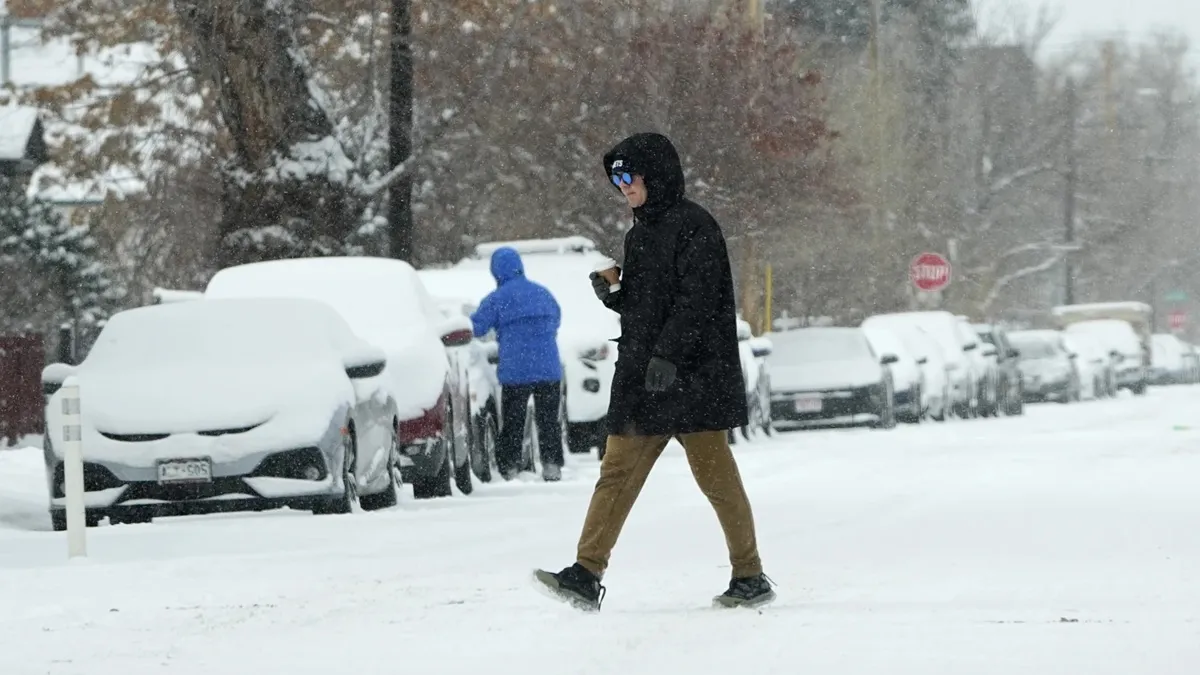
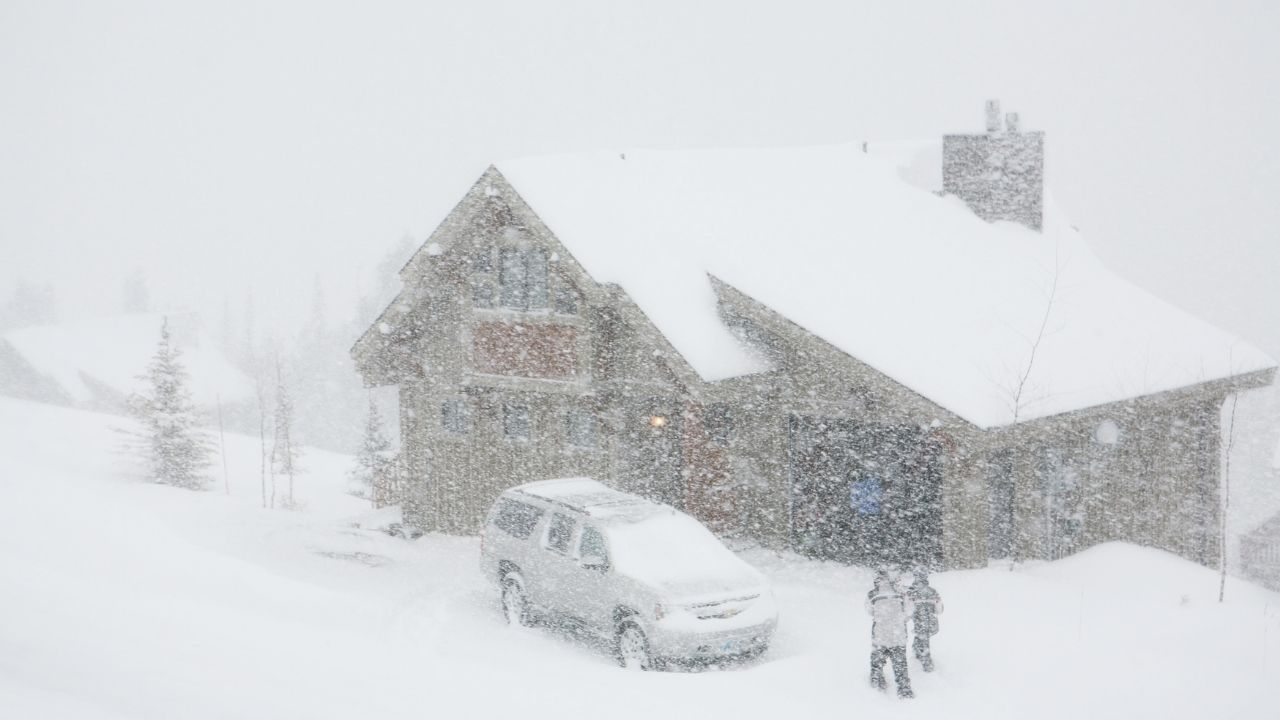
In areas under a winter storm warning, roads often become snow‑covered or icy, leading to spin‑outs, collisions, and road closures, while air and rail travel can face significant delays or cancellations. Heavy snow combined with strong winds can create whiteout or near‑blizzard conditions, and in mountainous regions, deep new snow on existing snowpack can elevate avalanche danger, prompting additional safety alerts for backcountry users.
How to Stay Safe During a Winter Storm Warning
When a winter storm warning is in effect, limiting non‑essential travel is one of the most effective ways to stay safe, as road conditions can deteriorate quickly and become impassable. If travel is unavoidable, keeping an emergency kit with warm clothing, blankets, food, water, and a charged phone can be lifesaving in case you become stranded.
At home, preparation includes stocking up on food, water, and necessary medications, having flashlights and extra batteries for potential power outages, and using safe heating methods to avoid carbon monoxide poisoning or fire hazards. Staying informed through official weather updates and checking on vulnerable neighbors or family members help ensure that everyone in the community can better withstand the impacts of a major winter storm.