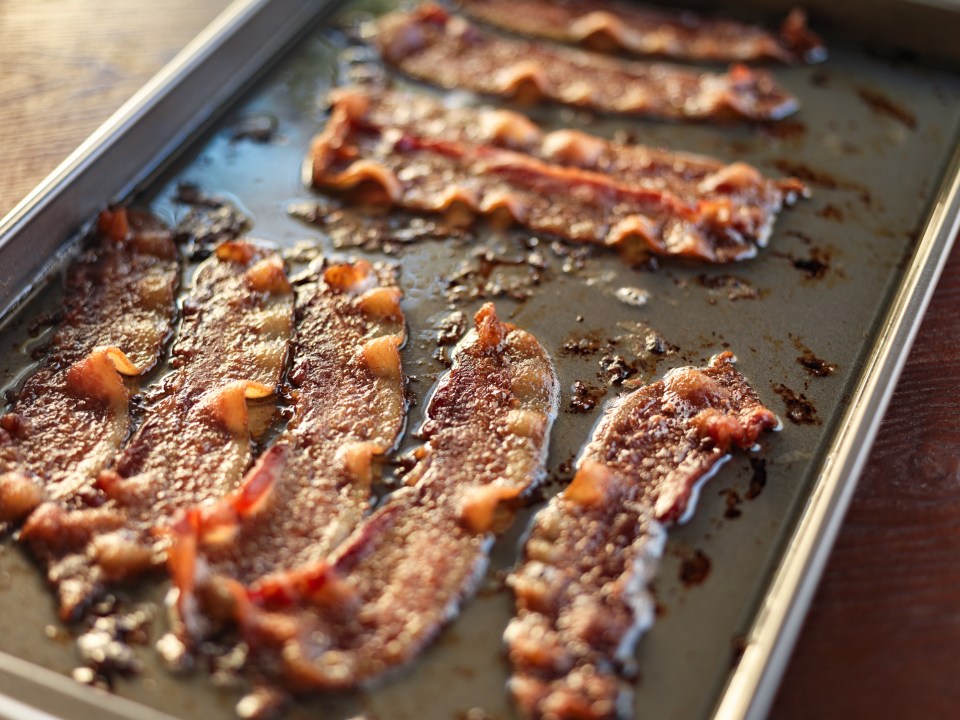


History and Origins of National Bacon Day
National Bacon Day was established in 1997 by Danya Goodman and Meff Leonard, who wanted to create a gift-giving holiday at the end of the year that was unrelated to religious celebrations. The holiday also pays homage to Homer Simpson's famous love for bacon, making it a cultural celebration rooted in both food appreciation and popular entertainment.
The history of bacon itself stretches back millennia. Ancient civilizations in Central Asia preserved pork bellies with salt around 4900 B.C., creating a fatty and salty delicacy that became highly prized. The Romans discovered this practice through their conquests in the Middle East and adapted it by preserving pig shoulders instead, calling their version petaso. This Roman bacon was inexpensive, easy to cook, and became a breakfast and dinner staple throughout the Roman Empire.
In medieval England, bacon was so valued that one church offered a side of bacon as a prize to any man who could avoid quarreling with his wife for one year and a day. This demonstrates how deeply embedded bacon became in Western culture and cuisine over centuries.
How to Celebrate National Bacon Day
There are countless creative ways to celebrate National Bacon Day beyond traditional breakfast bacon. Enthusiasts can order bacon pizza with crispy bacon as the primary topping, try bacon-wrapped hot dogs, or incorporate bacon into every meal—from maple-bacon pancakes at breakfast to BLT sandwiches at lunch and bacon cheeseburgers at dinner. Some adventurous celebrants even explore bacon brownies, bacon-covered chapstick, and other innovative bacon products.
For those who prefer to avoid cooking, many restaurants offer special National Bacon Day deals and promotions. All-you-can-eat breakfast establishments, fast-food chains, and specialty restaurants often feature bacon-centric menu items and discounts on this day. Additionally, the holiday's founders recommend watching Kevin Bacon movies or bacon-themed documentaries while enjoying various bacon products throughout the day.
The versatility of bacon means it can complement nearly any dish. Whether paired with eggs, chicken, burgers, pancakes, salads, or even beverages, bacon has become a culinary staple that transcends traditional meal categories and continues to inspire new and creative applications in modern cuisine.
Bacon's Impact on Modern Food Culture
The bacon industry has experienced explosive growth in recent years, extending far beyond traditional meat products. Bacon-flavored items now include candy, jelly beans, maple bacon lollipops, peanut brittle, and specialty condiments like bacon mayonnaise. This expansion reflects bacon's unique position in food culture as an ingredient that enhances virtually everything it touches.
Bacon's popularity spans all age groups and demographic boundaries, making it one of the most universally beloved food items globally. The meat's ability to complement both savory and sweet dishes has led to its integration into unexpected culinary creations. From bacon-scented soaps and candles to bacon-flavored dental products, the bacon phenomenon has transcended food to become a lifestyle choice for enthusiasts.
National Bacon Day serves as an annual reminder of bacon's enduring appeal and cultural significance. Whether celebrated through traditional cooking, restaurant visits, or exploration of innovative bacon products, the holiday unites millions of people in their shared appreciation for this ancient, versatile, and beloved food.