What Is a Travel Warning?
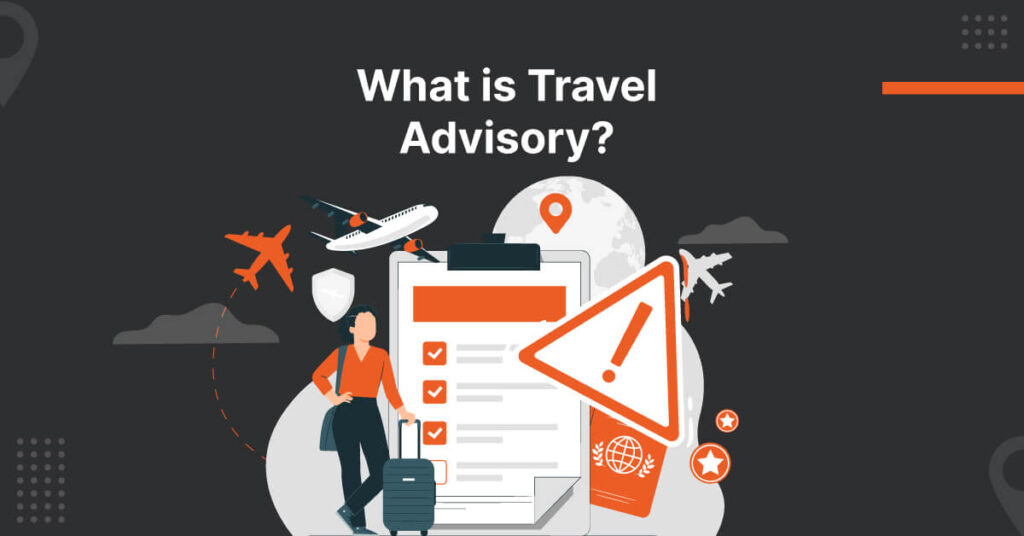
A travel warning is an official notice from a government that alerts travelers to serious risks in a specific country or region, including crime, terrorism, civil unrest, health threats, or natural disasters. In the United States, these warnings are issued as country-specific Travel Advisories that aim to make international trips safer by clearly describing the main dangers and recommended precautions.
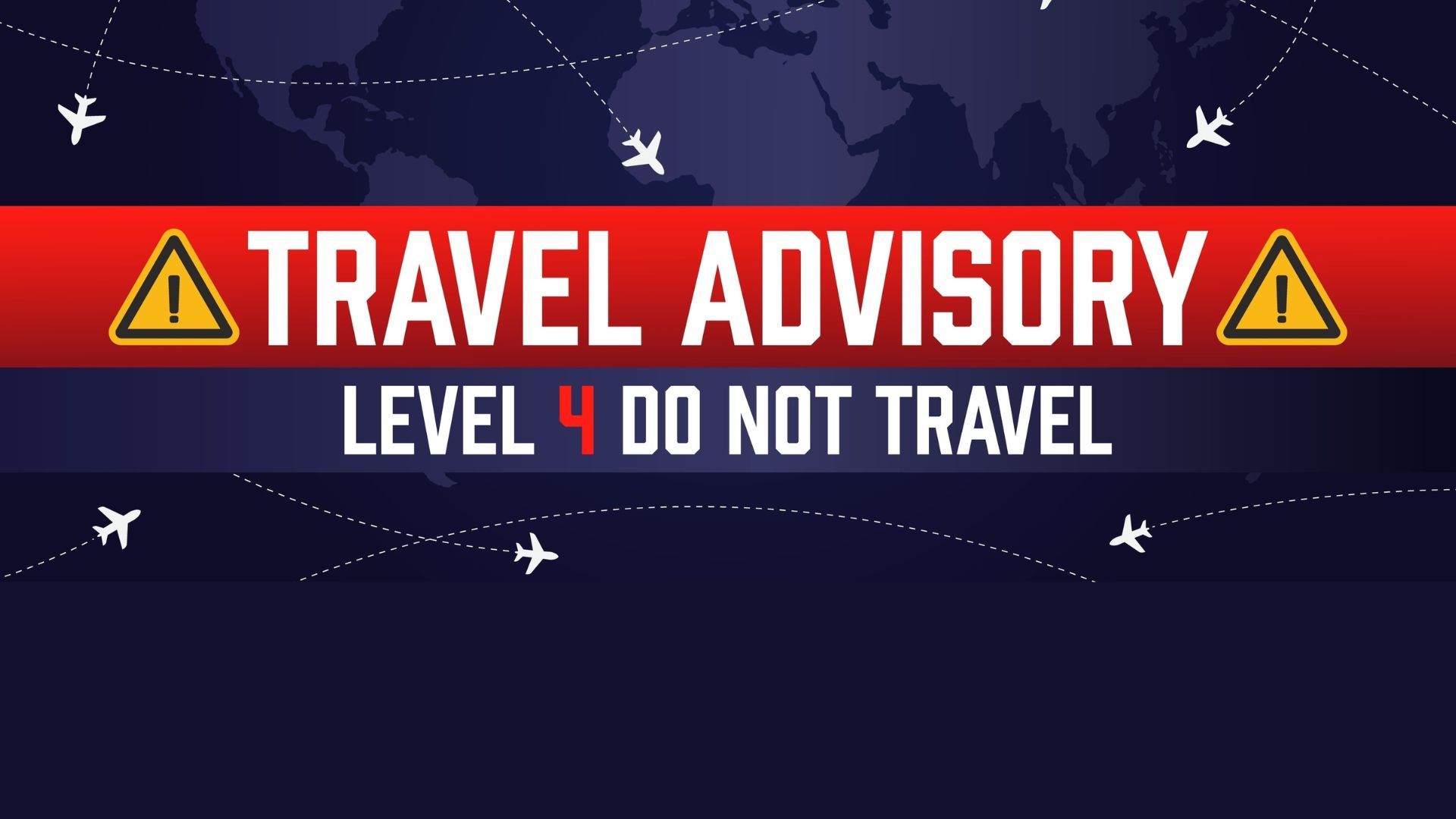
The U.S. Department of State assigns each destination a level from 1 to 4: Level 1 (Exercise Normal Precautions), Level 2 (Exercise Increased Caution), Level 3 (Reconsider Travel), and Level 4 (Do Not Travel). Each advisory also lists risk indicators—such as crime, unrest, terrorism, health, or kidnapping—to show why a warning is in place and which threats are most relevant to visitors.[2]
Current Global Travel Warnings and Hotspots
Recent U.S. Travel Advisories highlight several countries at Level 4 “Do Not Travel,” including Haiti, Niger, Mali, and the Central African Republic, where severe crime, armed conflict, terrorism, or state collapse pose extreme dangers to foreigners.[2] Other destinations, such as Uganda, Jamaica, and Nepal, carry Level 3 “Reconsider Travel” advisories due to combinations of unrest, crime, health risks, and terrorism concerns.[1][2] By contrast, countries like Seychelles, Senegal, Singapore, and Taiwan are listed at Level 1, indicating relatively low risk for most travelers when normal precautions are taken.[1][2]
In addition to country-level advisories, embassies and consulates are issuing frequent short-term alerts about localized threats. Recent examples include warnings about escalating conflict on the Thailand–Cambodia border, increased armed violence around the Rwanda–DRC–Burundi frontier, severe storm systems in Brazil, and crime spikes during the holiday season in places such as Croatia, Nigeria, and Costa Rica.[1][4] Some alerts also address health emergencies and restrictions, such as a Marburg virus outbreak and related travel measures in Ethiopia.[1][8]
How Travel Warnings Affect Travelers
Today’s travel warnings can directly shape whether and how people travel. A Level 3 or Level 4 advisory often prompts travelers to postpone or cancel trips, and it may lead tour companies or airlines to suspend services to affected areas, especially where violence, unrest, or infrastructure damage disrupt normal operations.[2][7] Even at lower levels, advisories may recommend avoiding specific regions within a country, traveling only on major roads, or staying away from demonstrations and high-crime neighborhoods.[1][6]
Travel warnings also highlight the importance of preparation and real-time information. Officials urge travelers to read the full advisory for their destination, monitor embassy alerts, and enroll in the Smart Traveler Enrollment Program (STEP) to receive security messages and make it easier for consular staff to assist in an emergency.[2] By combining official guidance with flexible itineraries, contingency plans, and appropriate insurance, travelers can better manage the evolving risks signaled by today’s global travel warnings.