What Is a Snow Squall?
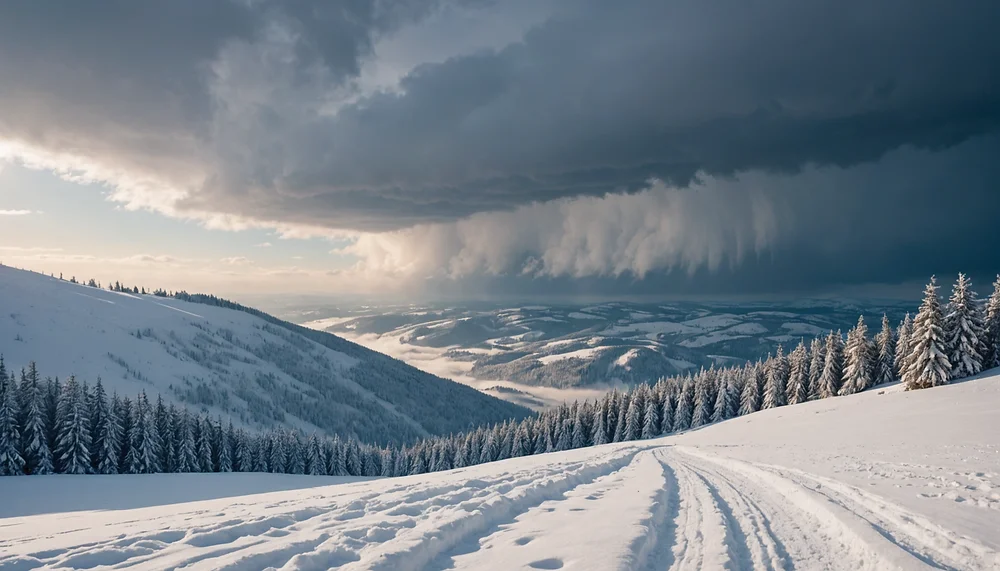
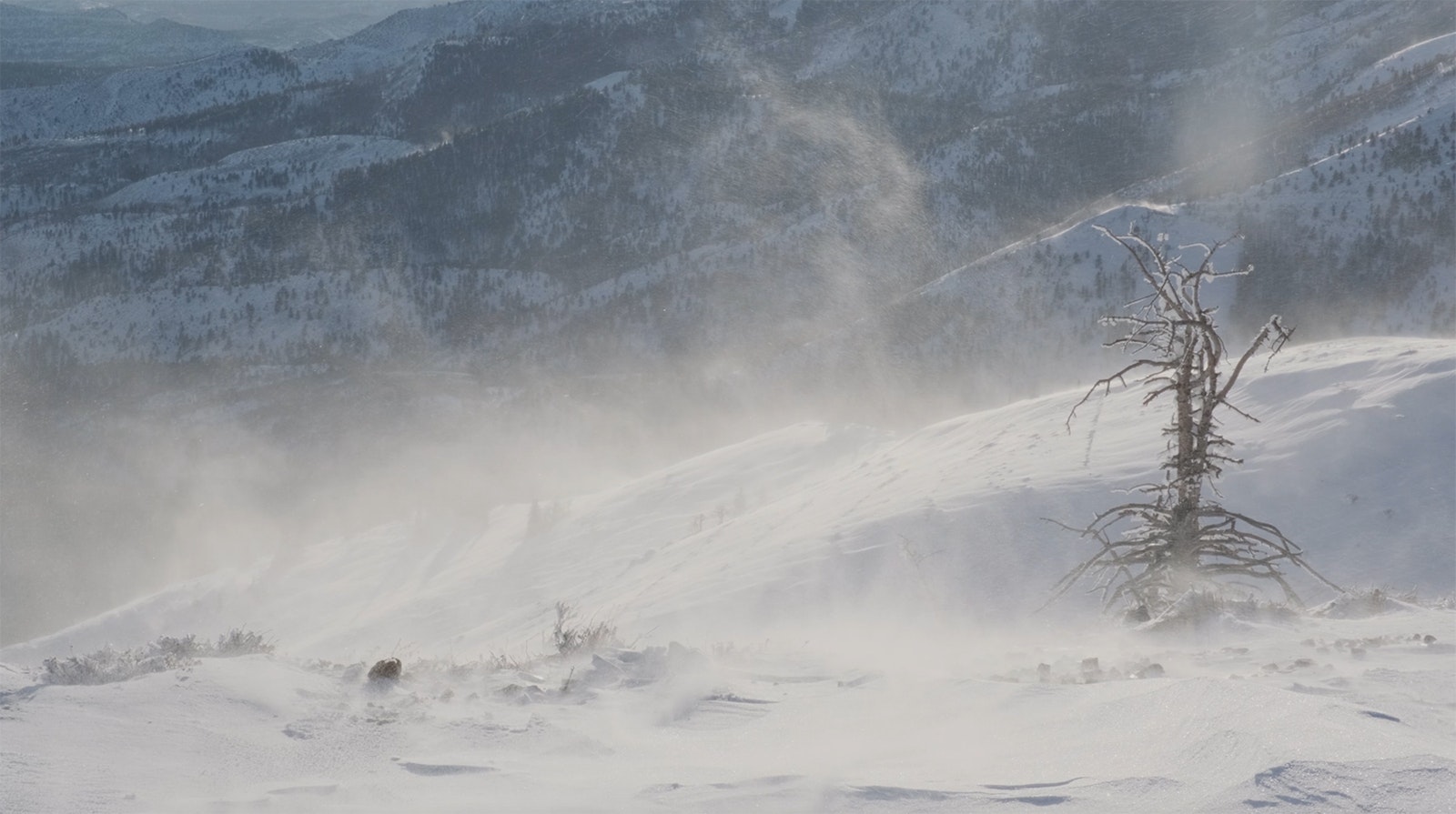
A snow squall is a brief but intense burst of snowfall accompanied by strong, gusty surface winds, which together can quickly reduce visibility to near whiteout conditions.[1][2][4][5] These events usually form along sharp cold fronts or narrow bands of instability in the winter atmosphere, often only a few miles wide but capable of producing very heavy snow for a short time.[2][3][4][5]
Despite their short duration and generally modest total accumulation, snow squalls are considered a key wintertime hazard because they can rapidly slicken roads and catch drivers off guard.[1][2][4][5] The structure and behavior of a squall resemble a fast-moving thunderstorm line: a narrow, intense core followed by rapid clearing, which means travel conditions can flip from normal to dangerous and back again in under an hour.[1][5]
Why Snow Squalls Are So Dangerous Today
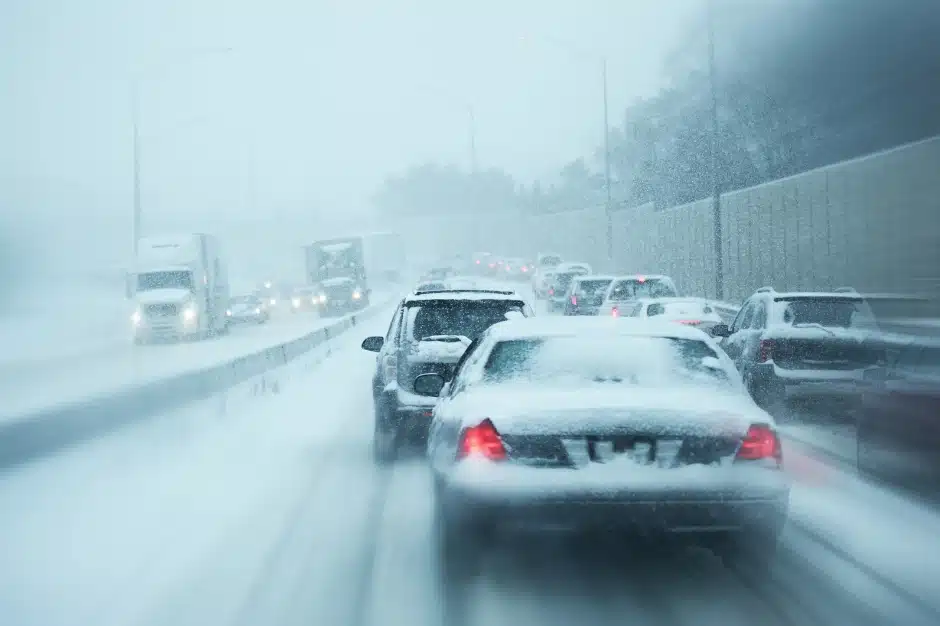
Modern transportation networks make snow squalls particularly risky, as they often strike during commuter periods on busy highways where drivers may be traveling at full speed in clear weather just minutes before the whiteout.[1][2][4][5] When visibility suddenly crashes and pavement ices over, drivers have little time or space to react, leading to multi-vehicle pileups that can involve dozens of vehicles and shut down major corridors.[4][5]
Because of several high-profile winter crashes in recent years, meteorologists and road-safety agencies now emphasize snow squalls as a distinct threat separate from traditional winter storms.[4][5] The National Weather Service uses targeted Snow Squall Warnings, push alerts, and highway message boards to communicate that these short-lived bands can be more dangerous for drivers than a longer, slower-moving snowstorm with higher total accumulation.[4][5]
How to Stay Safe During a Snow Squall
If a Snow Squall Warning is issued for your route, the strongest advice from forecasters is to postpone or reroute your travel until the squall passes, since it usually lasts less than an hour at any one location.[4] Planning ahead with updated forecasts, checking radar, and allowing extra travel time can help you avoid being on exposed highways at the exact time the band passes.[4][5]
When you cannot avoid being on the road as a squall hits, safety experts recommend slowing down gradually, turning on headlights and hazard lights, and increasing your following distance significantly to allow for ice-slick braking distances.[3][4] Avoid sudden lane changes or hard braking, which can cause loss of control and rear-end collisions, and if conditions become overwhelming, exit the highway entirely at a safe opportunity rather than stopping in a traffic lane where you may not be visible to oncoming drivers.[3][4]