
What Is KARE 11 Weather?
KARE 11 Weather is the weather brand of KARE, the NBC television affiliate serving the Minneapolis–St. Paul metro area and much of Minnesota, offering localized forecasts, radar, and on-air meteorologist coverage. Its mission is to translate complex atmospheric data into easy-to-understand information focused on how current and upcoming conditions will affect daily life, travel, and safety.
The service spans TV newscasts, a dedicated weather section on kare11.com, mobile experiences, and live radar streams that run continuously during active weather. By combining broadcast expertise with digital tools, KARE 11 Weather gives viewers multiple ways to stay informed—whether they’re watching at home, checking a phone on the go, or streaming live radar during fast-changing storms.
Today’s Forecast and Local Impacts
When people search for KARE 11 Weather today, they are usually trying to understand how conditions across Minneapolis–St. Paul and surrounding communities will affect commutes, school schedules, and outdoor activities. The main forecast focuses on short-term temperature swings, timing of any rain or snow, and whether wind or visibility could make travel more difficult.
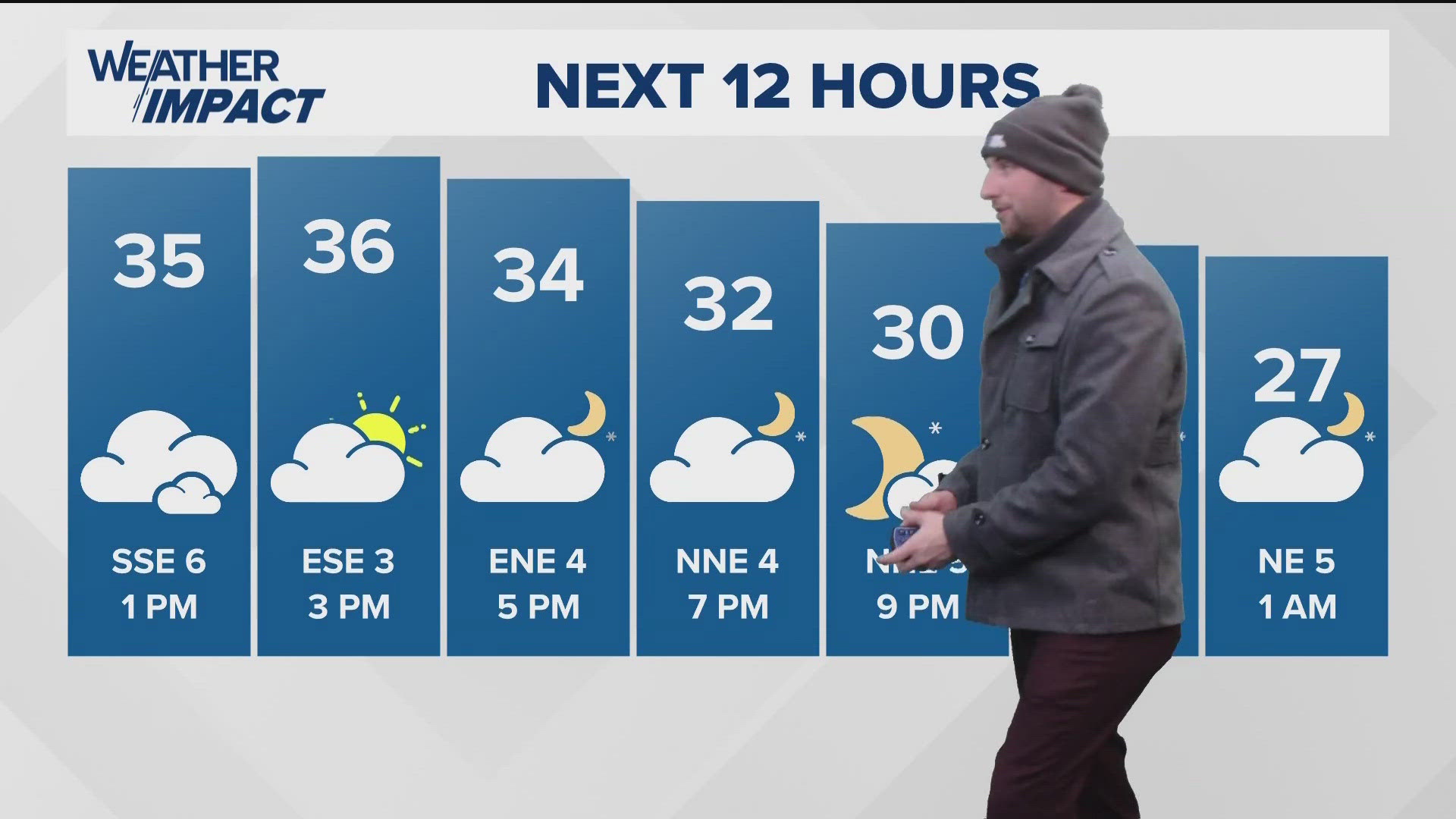
KARE 11 meteorologists typically break down the day into clear segments—morning, midday, evening, and overnight—highlighting when to expect changing road conditions, shifting wind chills, or bursts of heavier precipitation. Short, impact-based explanations often note when to allow extra drive time, whether side streets may be slick, and if colder or warmer trends later in the day might require different clothing or precautions.
Live Radar and Weather Impact Coverage
KARE 11 Weather’s Impact Live Radar streams provide real-time storm tracking, allowing viewers to see snow bands, rain showers, or thunderstorms move across the Twin Cities and greater Minnesota. The radar typically shows intensity of precipitation, direction of travel, and storm structure, helping people know when a system is about to reach their neighborhood, workplace, or common travel routes.
During more disruptive weather, KARE 11 Weather’s coverage becomes more frequent and urgent, pairing the radar images with on-air explanations and alerts. Meteorologists outline where conditions are deteriorating fastest, which areas are under advisories or warnings, and what steps viewers should consider, such as delaying trips, keeping emergency supplies in vehicles, or monitoring for updates from local officials and the National Weather Service.
10-Day Outlook and Planning Ahead
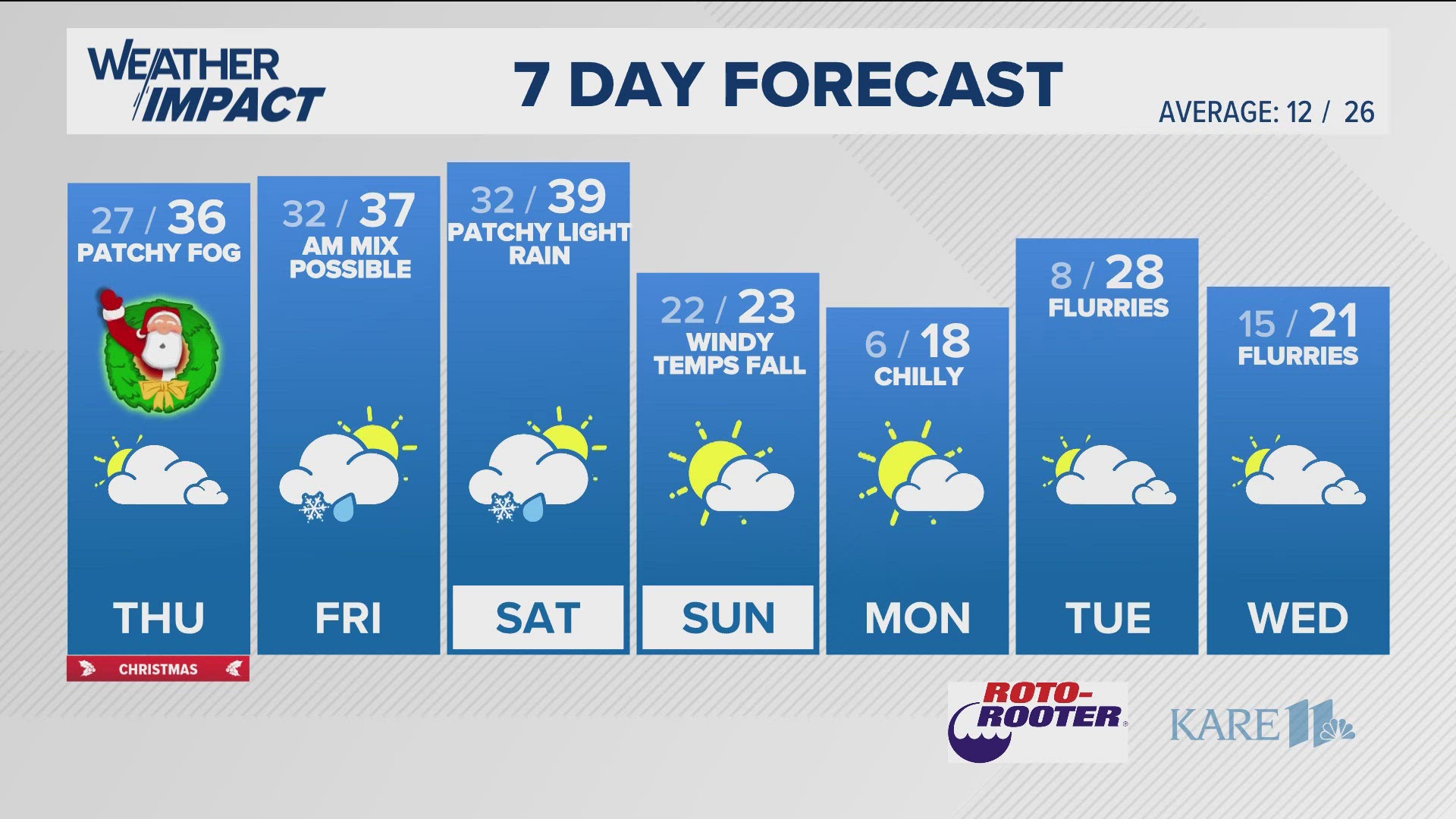
The 10-day forecast on KARE 11 Weather offers a broader view of upcoming patterns across Minneapolis–St. Paul and the Upper Midwest, summarizing when temperatures may trend milder or colder and when storm systems are most likely. While finer details can change, this longer-range outlook helps users decide the best days for travel, errands, and outdoor plans by flagging likely quiet periods versus potentially active ones.
By combining day-by-day temperature projections, precipitation chances, and context about larger weather systems, the extended forecast provides a planning tool rather than just a list of numbers. Viewers can use it to time winter chores, recreational outings, or holiday travel windows around the most favorable conditions highlighted by KARE 11’s meteorologists.