What Is Jim Beam and What’s Changing?
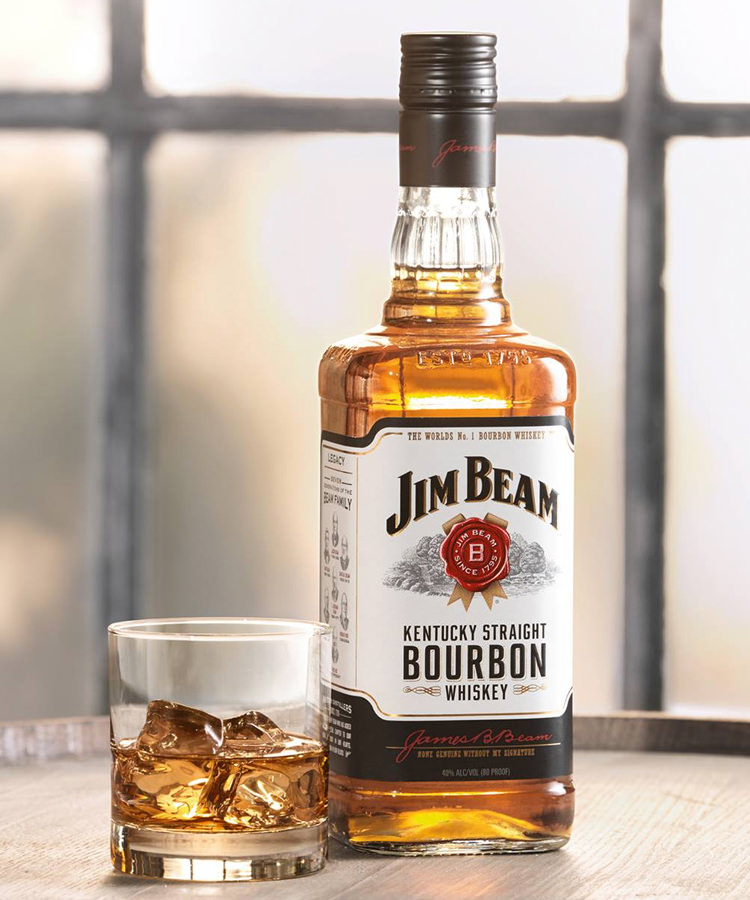
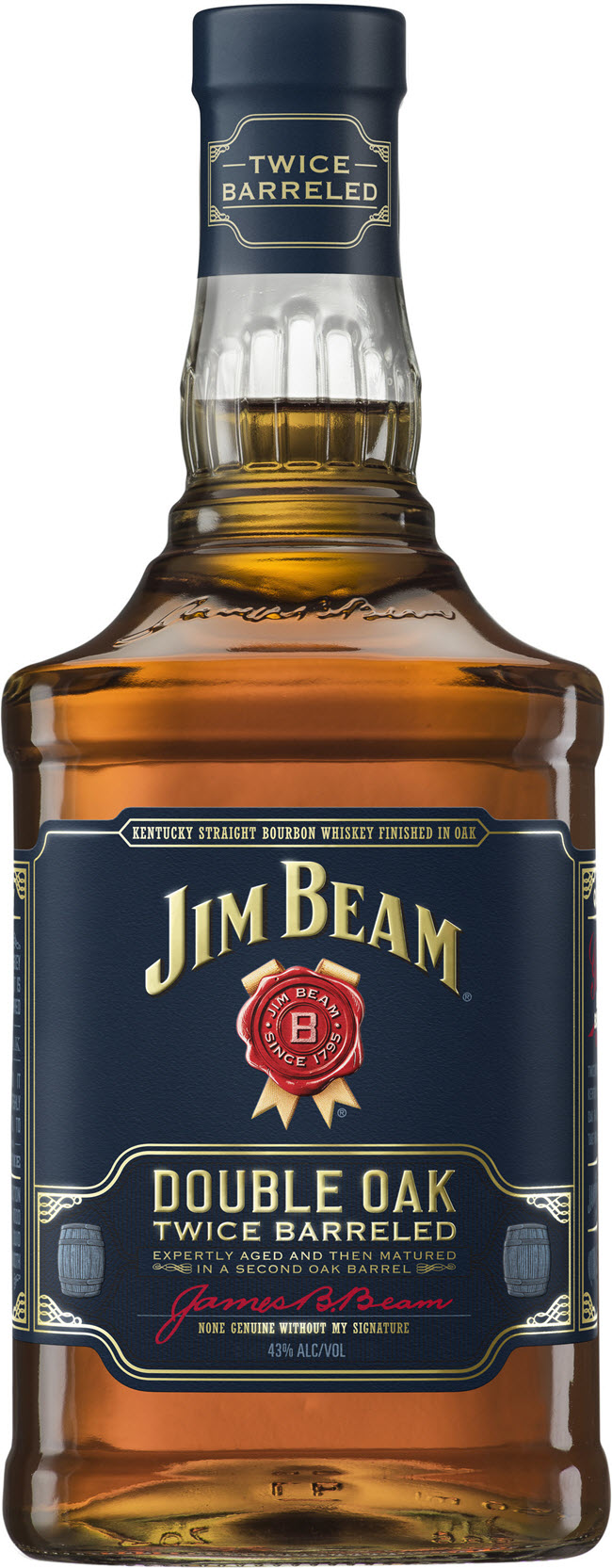
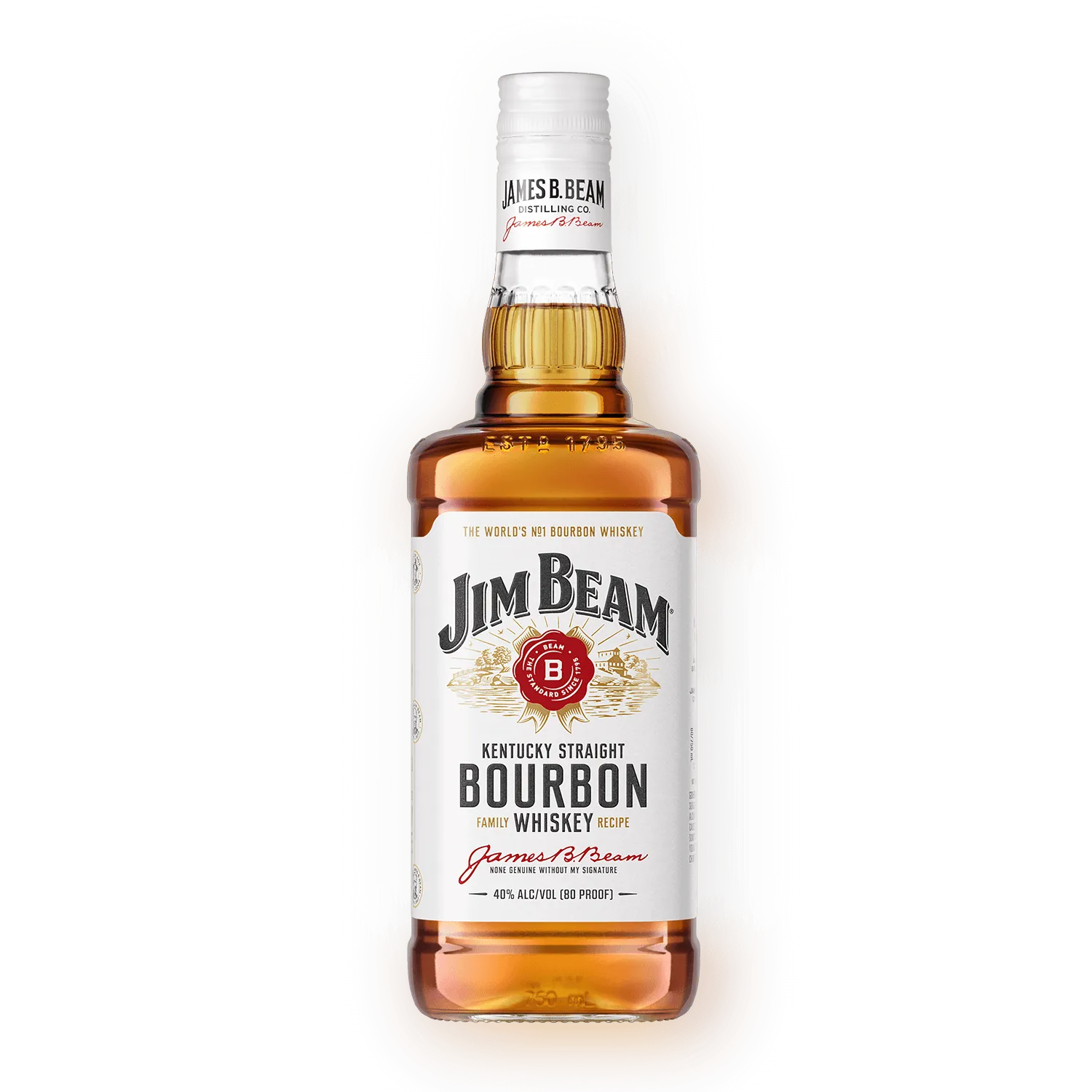
Jim Beam is a flagship American bourbon whiskey brand, distilled primarily in Kentucky and recognized worldwide as one of the most iconic names in bourbon.[3] The brand traces its roots back more than 230 years and is owned today by Suntory Holdings, which markets Jim Beam globally as a standard-bearer for Kentucky straight bourbon.[3]
In late 2025, Jim Beam confirmed that its primary Clermont, Kentucky distillery, known as the James B. Beam Distilling Co., will pause distilling operations for the entire 2026 calendar year.[2][3] This decision has drawn intense attention because the Clermont site has operated continuously since Prohibition’s end and serves as both a production base and a major tourist destination.[3]
Inside the 2026 Distilling Pause at Clermont
According to company statements, Jim Beam will halt distilling at its Clermont campus but will shift production to its facility in Boston, Kentucky, ensuring that bourbon continues to be made while the flagship site is offline.[2] The brand plans to rely on both the Boston plant and its existing inventories of aging whiskey to keep Jim Beam products available to consumers.[2]
Suntory has framed the pause as a strategic move to align production levels with current and projected demand rather than an emergency shutdown.[3] The company also plans to undertake upgrades at the Clermont facility during the hiatus, investing in modernization and improvements while fermenters and stills are quiet.[2][3]
Market Forces, Trade Tensions, and What It Means for Drinkers
Industry reporting links Jim Beam’s decision to a broader slowdown in American whiskey sales and export challenges, especially in markets like Canada where trade disputes and political tensions have fueled boycotts of U.S. products.[3] With exports under pressure and overall growth cooling, large producers such as Jim Beam are reassessing how much spirit they need aging in warehouses for future years.[3]
For consumers, the company’s existing barrel inventory and continued distilling in Boston, Kentucky suggest that Jim Beam bottles will not vanish from shelves, though certain expressions could become more closely managed.[2][3] Analysts see the move as part of a larger recalibration across the bourbon industry, where brands are balancing past expansion with a more cautious outlook while still investing in their long-term production capabilities.[2][3]