Who Is Bhavitha Mandava?
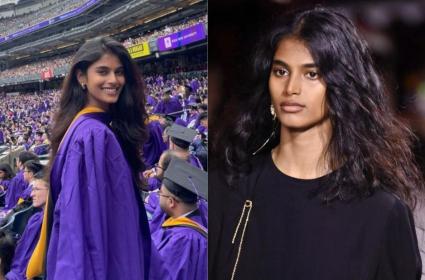
Bhavitha Mandava is an Indian-born, New York–based fashion model and product designer who was unexpectedly discovered on a New York City subway platform while she was commuting to class at NYU.[1][2] At the time, she was pursuing a master’s degree in Integrated Design & Media and working at NYU’s MakerSpace, with no plans to enter the fashion industry.[2][3]
Before moving to the United States, Mandava studied architecture at Jawaharlal Nehru Technological University in Hyderabad, India, a training that observers say contributes to her poised, structured presence on the runway.[1][2] She has since described herself as a designer and technologist as much as a model, emphasizing a practice rooted in human-centered design and emerging technology.[2]
From Subway Scout to Runway Star
Mandava’s fashion journey began when a model scout approached her at Atlantic Avenue station in Brooklyn, just weeks before the Spring/Summer 2025 season.[1][2] After her photos reached casting director Anita Elizabeth Bitton, she was introduced to Matthieu Blazy, then at Bottega Veneta, who recognized her "quiet magnetism" and cast her as an exclusive for the brand’s Summer 2025 show.[1][2]
Her Bottega Veneta debut quickly placed her on the global radar, and when Blazy moved to Chanel he brought her into the storied French house as well.[1][2] Industry profiles note that she continued to juggle a morning campus job, evening classes, late-night homework, and weekend flights to Europe for shows, underscoring how unconventional and demanding her entry into high fashion has been.[1][2]
Making History at Chanel
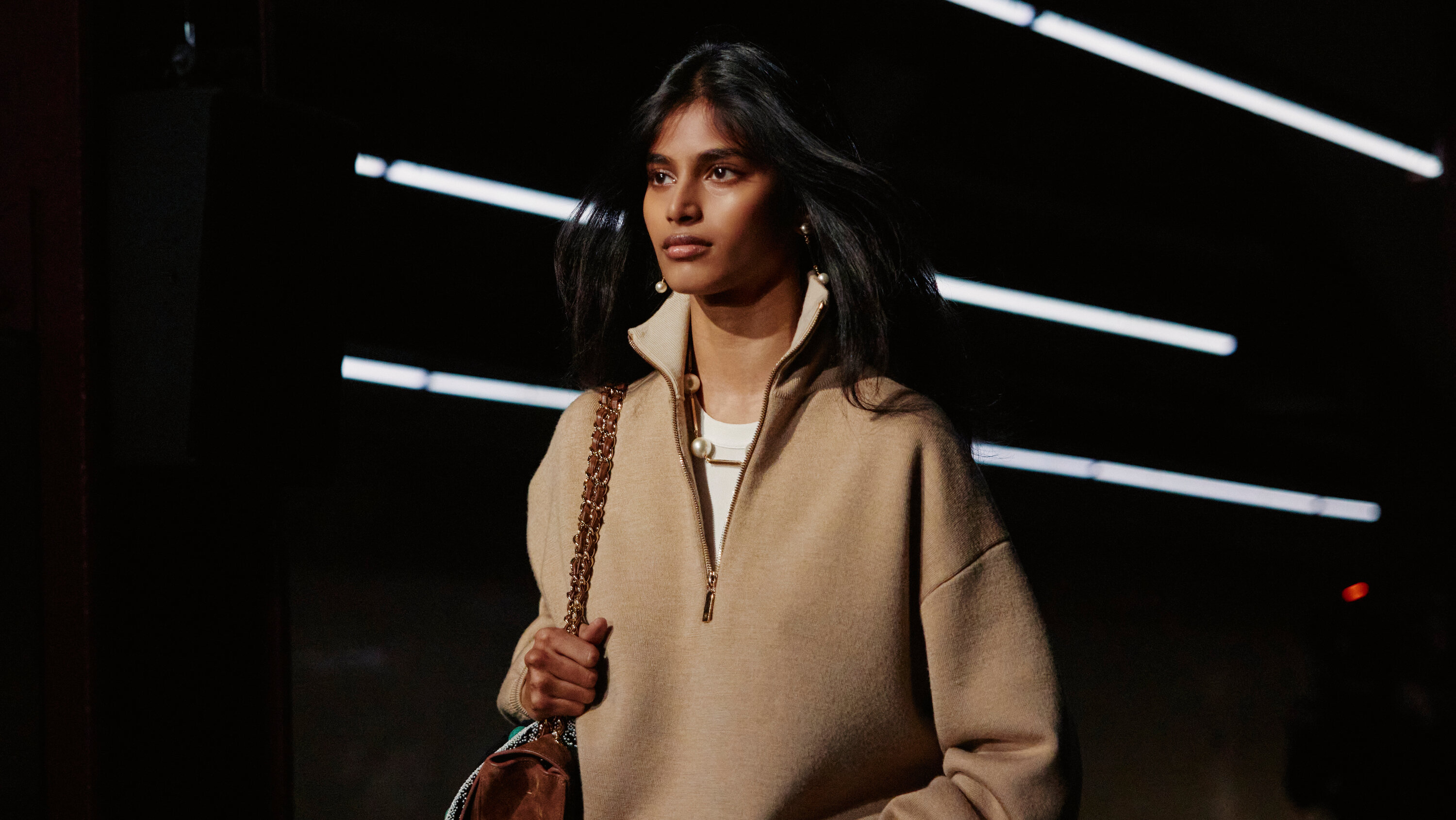
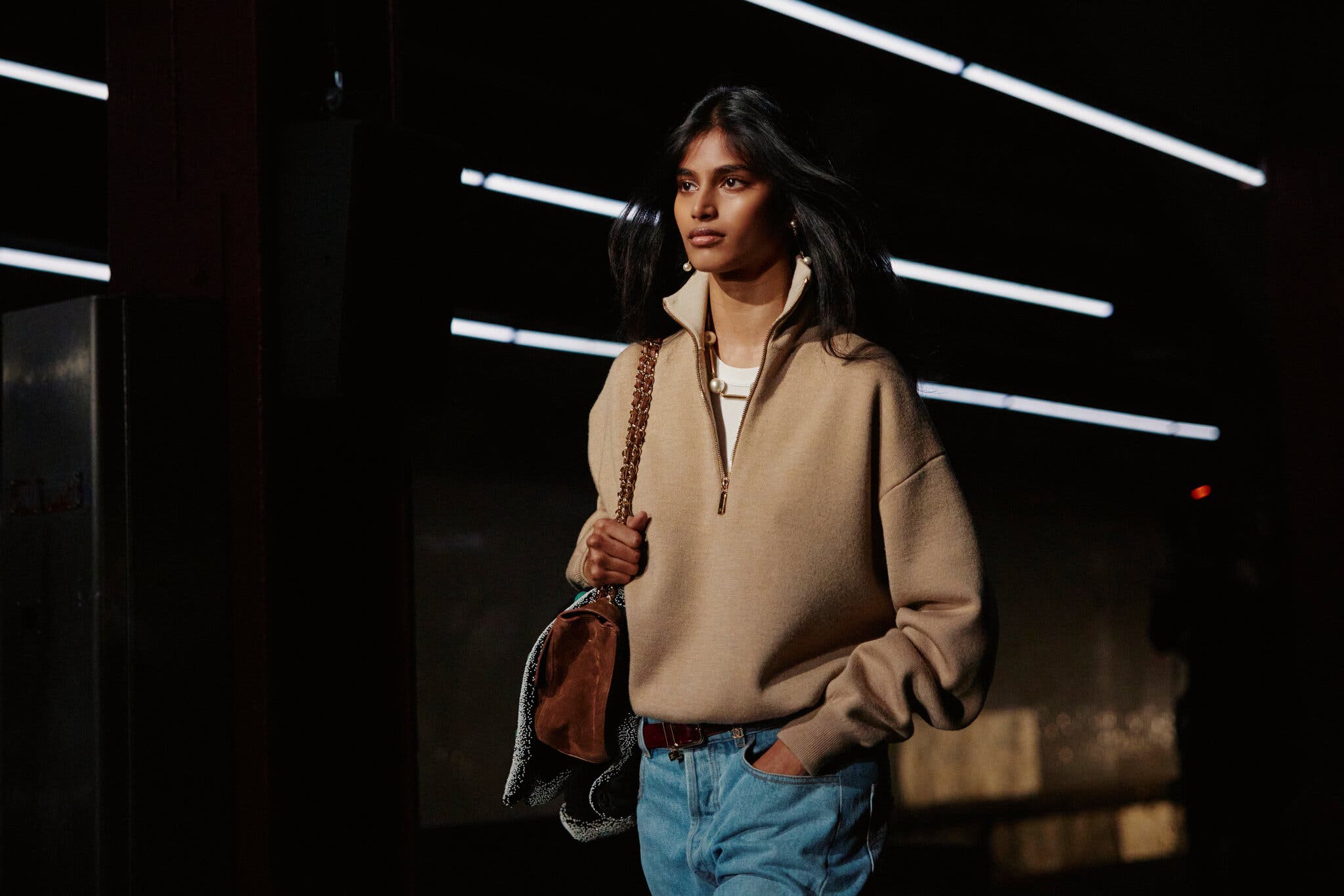
Mandava made fashion history by becoming the first Indian woman to open a Chanel Métiers d’art show, staged in a disused Bowery subway station in New York City.[2][3][4] Styled in slouchy denim and a beige zip-up pullover, she embodied Matthieu Blazy’s vision of a more grounded, everyday Chanel that reflects how women actually move through the world.[1][2]
Coverage from fashion and news outlets emphasized the cultural resonance of her achievement, particularly for South Asian representation in European luxury fashion.[1][2][4] A viral video of her parents’ emotional reaction to seeing her lead the Chanel runway further amplified the moment, turning her into a symbol of immigrant aspiration and a broader shift toward inclusivity, authenticity, and diverse casting in the industry.[1][2]