Nomination and Swearing-In
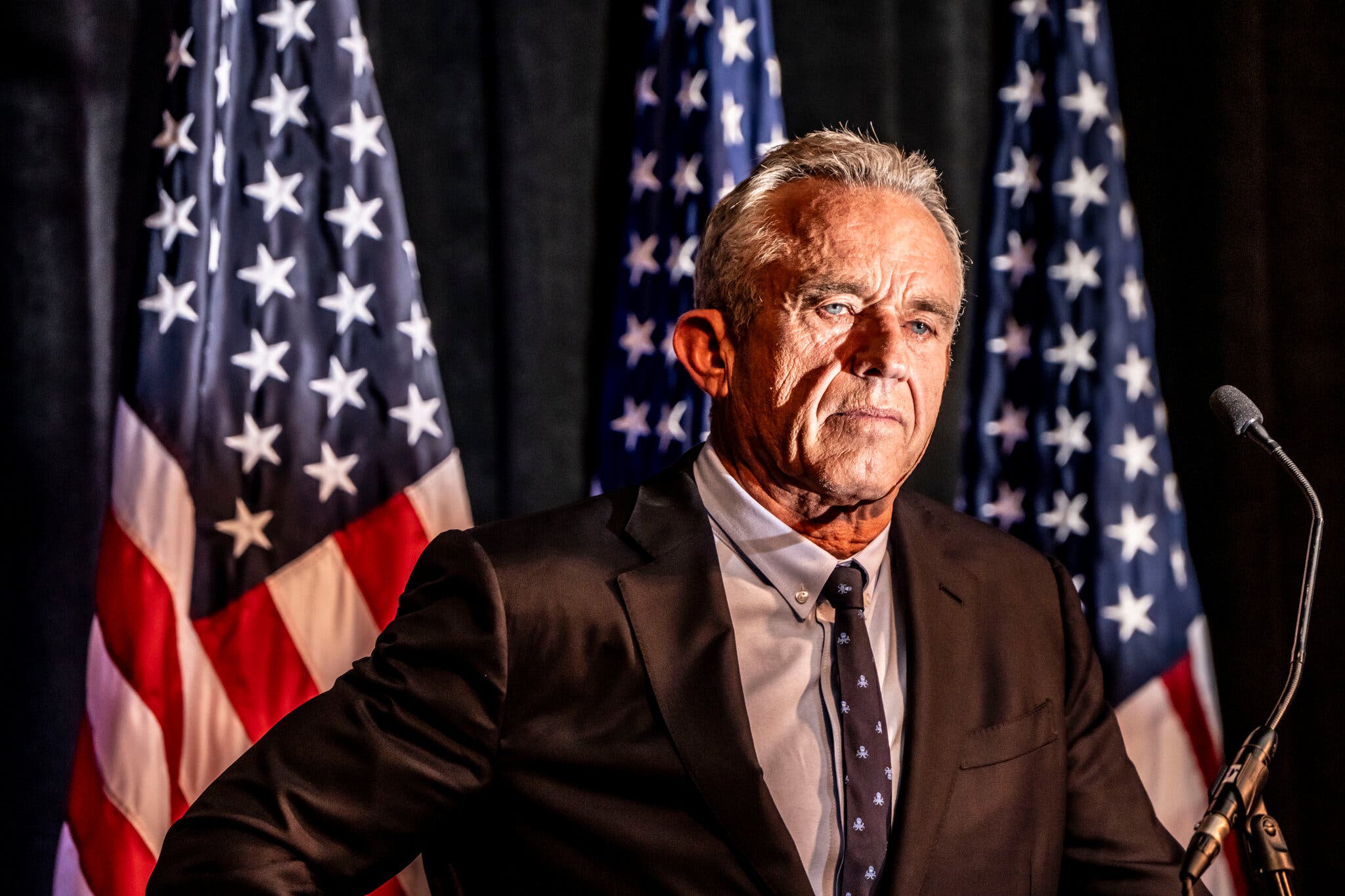
President-elect Donald Trump announced RFK Jr.'s nomination for HHS Secretary on November 14, 2024, following his election victory. The Senate Finance Committee held hearings in late January 2025, with cloture invoked on February 12 before confirmation the next day.
The 52-48 vote highlighted divisions, with McConnell citing Kennedy's past anti-vaccine stance as a threat to polio eradication efforts. Kennedy was sworn in immediately in the Oval Office, marking a historic first for an independent presidential candidate in a cabinet role.
This swift process underscored Trump's commitment to placing Kennedy at the helm of health policy, promising a 'big role in health care' pre-election.
Major Reforms and Controversies
Early in his tenure, Secretary Kennedy oversaw mass firings at the CDC, including the entire Advisory Committee on Immunization Practices (ACIP), and canceled NIH studies on mRNA vaccines and hesitancy. These moves triggered resignations from top officials like Debra Houry and drew criticism from nine former CDC leaders.
By August 2025, Senate Democrats, led by Ranking Member Wyden, accused Kennedy of breaching nomination promises on vaccine systems and transparency. Letters cited risks from the 2025 measles outbreak, a CDC shooting, and firings across HHS directorates like ACF and HRSA.
Appointees such as David Geier fueled further backlash, with Senator Hassan demanding his termination. The American College of Physicians called for Kennedy's removal, arguing his policies undermine public health legacies.
Impacts and Ongoing Debates
Kennedy's MAHA agenda, launched via executive order at his swearing-in, prioritizes lifestyle interventions for obesity and chronic illnesses over pharmaceuticals. Supporters hail this as a bold reset, but outbreaks and lawsuits, like one alleging 'weaponizing public health,' challenge his approach.
By December 2025, Senate Finance Committee scrutiny continues, with demands for accountability on firings, budget cuts to programs like LIHEAP, and Trumpcare's effects on rural hospitals. Kennedy's profile as a 'celebrity health secretary' amplifies these debates globally.
His tenure tests the balance between reform and stability, with long-term effects on U.S. health policy still unfolding amid partisan divides.