What Are the Current COVID Symptoms?
COVID symptoms are the physical signs your body shows when infected with SARS‑CoV‑2, ranging from no symptoms to severe respiratory distress that can be life‑threatening. Today, most people report illness that looks like a bad cold or flu rather than the distinct early‑pandemic pattern focused on loss of smell and high fever.[2][4][6]
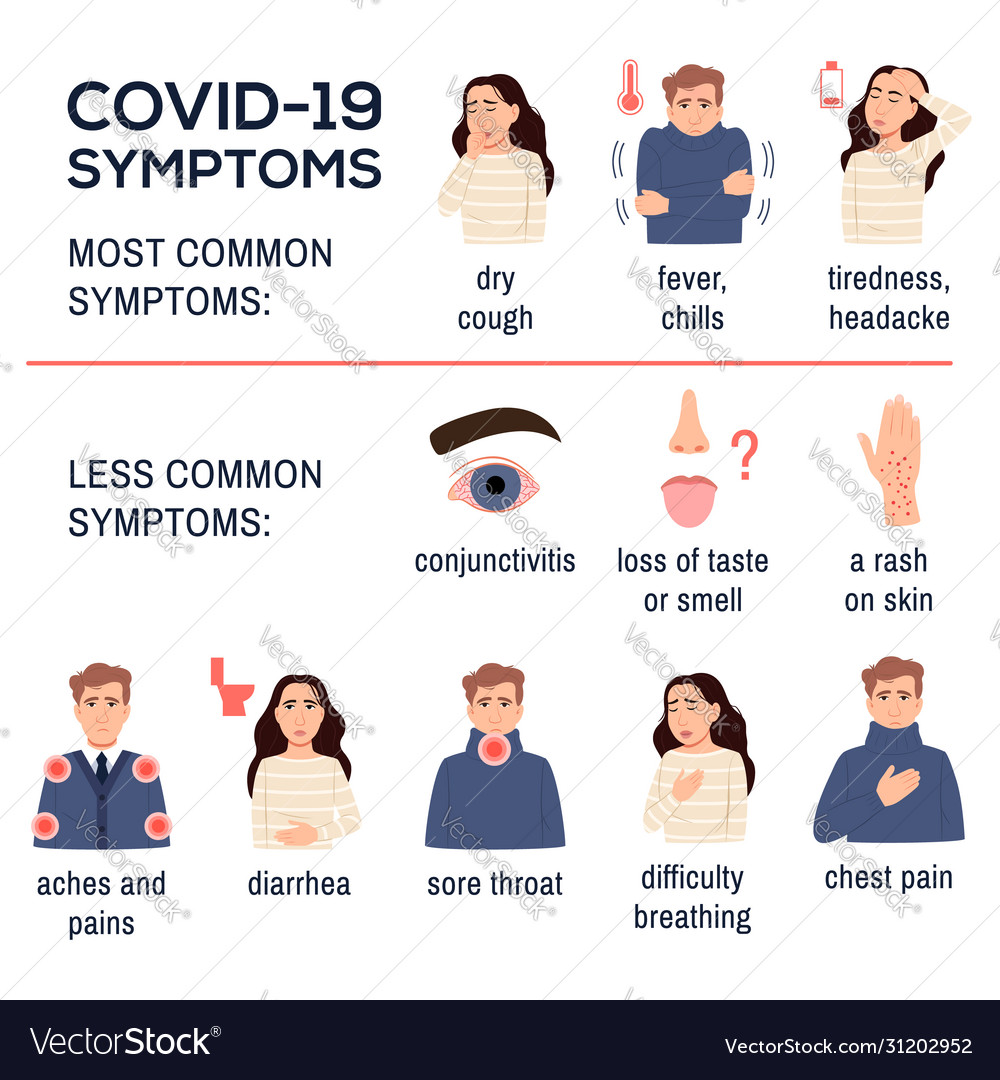
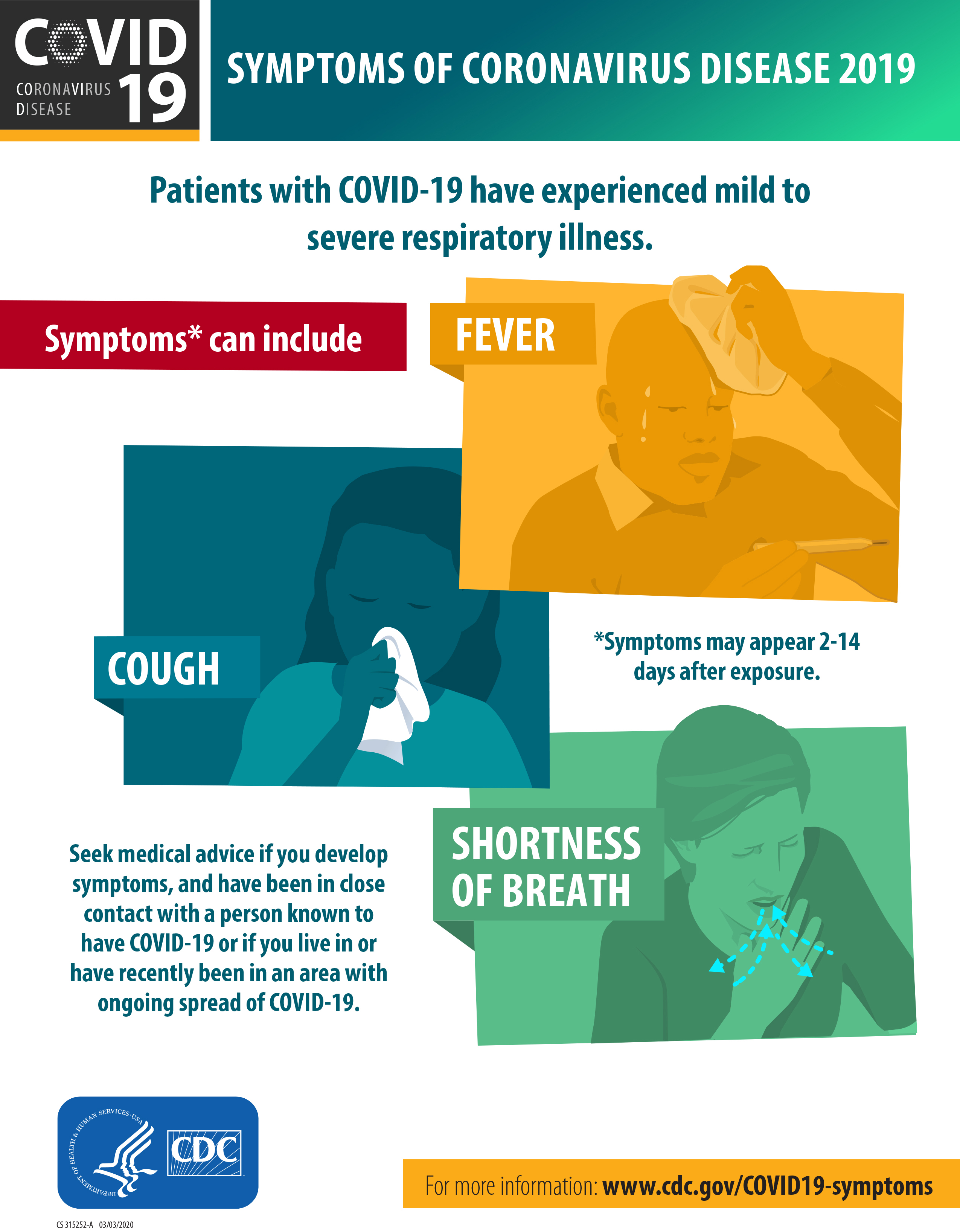
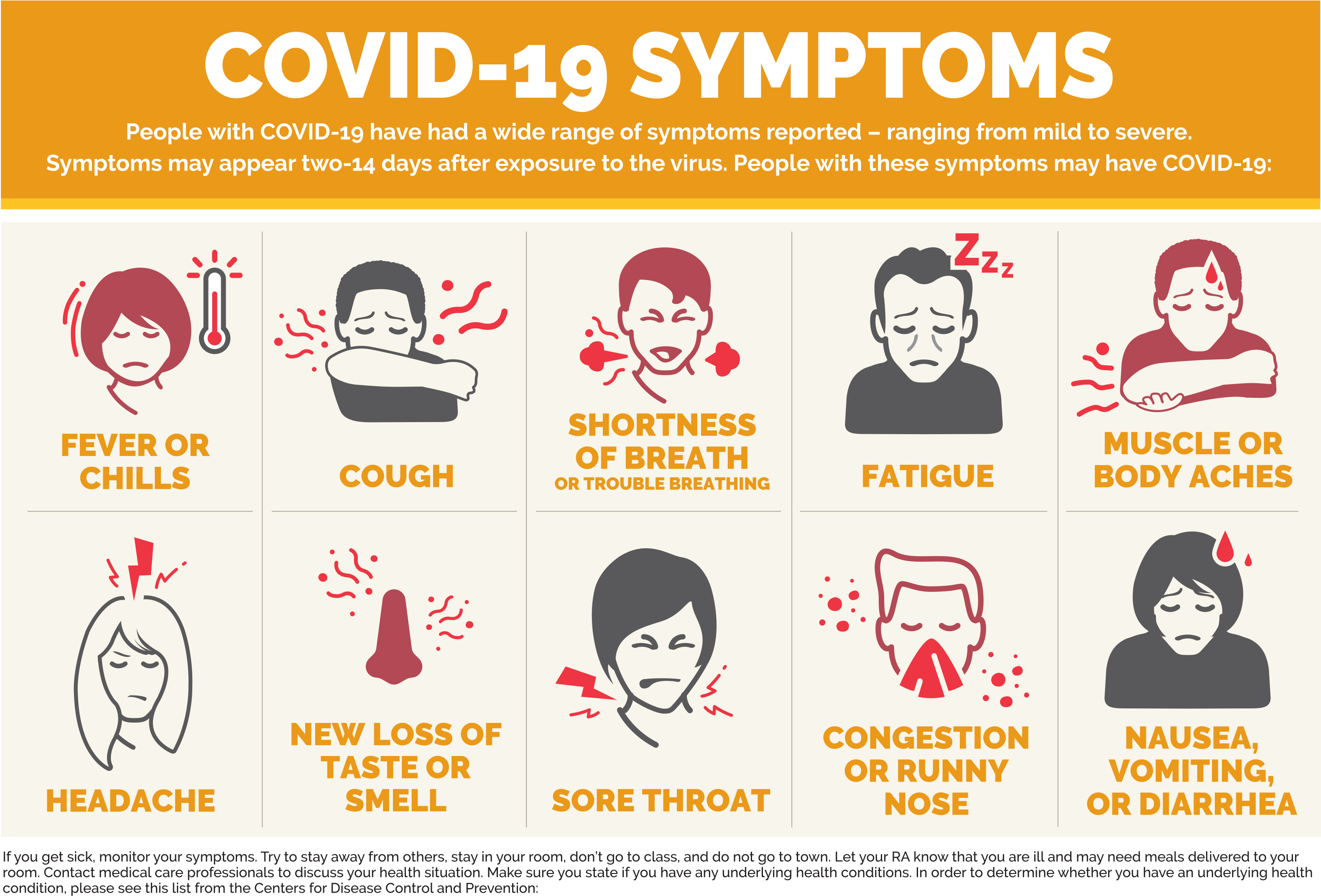
The most commonly reported symptoms in recent waves include sore or scratchy throat, cough, sneezing, nasal congestion or runny nose, headache, fatigue, muscle aches and fever.[1][2][3][6] Some people also experience chills, reduced appetite and occasional digestive issues such as nausea, vomiting or diarrhea, while loss of taste or smell has become less frequent than in earlier variants.[1][2][6]
New Variants and Changing Symptom Patterns
Monitoring from public‑health agencies shows that although new variants like NB.1.8.1 are emerging and spreading, the overall pattern and severity of symptoms have changed little compared with previous Omicron sublineages.[1][2][4][6] Infection‑tracking studies find that the number of symptoms people report and how sick they feel are broadly similar across recent variants, reinforcing that new variants are not automatically more severe.[2][4][6]
The NB.1.8.1 or “Nimbus” variant is notable for a particularly sharp, sometimes stabbing sore throat in some patients, especially early in the illness.[1][3] Otherwise, its symptom profile largely mirrors other recent strains, with fatigue, mild to moderate cough, fever, muscle aches, congestion and sneezing remaining common.[1][3] Global surveillance data confirm that these variants continue to circulate widely, even as population immunity and better treatments have reduced the overall risk of severe outcomes compared with the first years of the pandemic.[4][6]
When to Test and When to Seek Care
Because COVID symptoms now overlap heavily with colds, flu and allergies, health authorities stress that testing is essential whenever you develop new respiratory symptoms, even if they seem mild.[4][5][6] Early diagnosis allows you to isolate sooner, protect people around you and access antiviral treatments if you are at higher risk of complications.[4][5][6][7]
You should seek urgent or emergency care if COVID symptoms progress to trouble breathing, chest pain, sudden confusion, difficulty staying awake or a change in skin or lip color to pale, gray or blue.[3][4][5][6] Older adults, pregnant people, those with chronic medical conditions or weakened immune systems are especially encouraged to contact a healthcare professional promptly at the first sign of symptoms, since timely treatment can significantly cut the risk of hospitalization and severe disease.[4][5][6][7]