
What Are the Trump Tariffs?
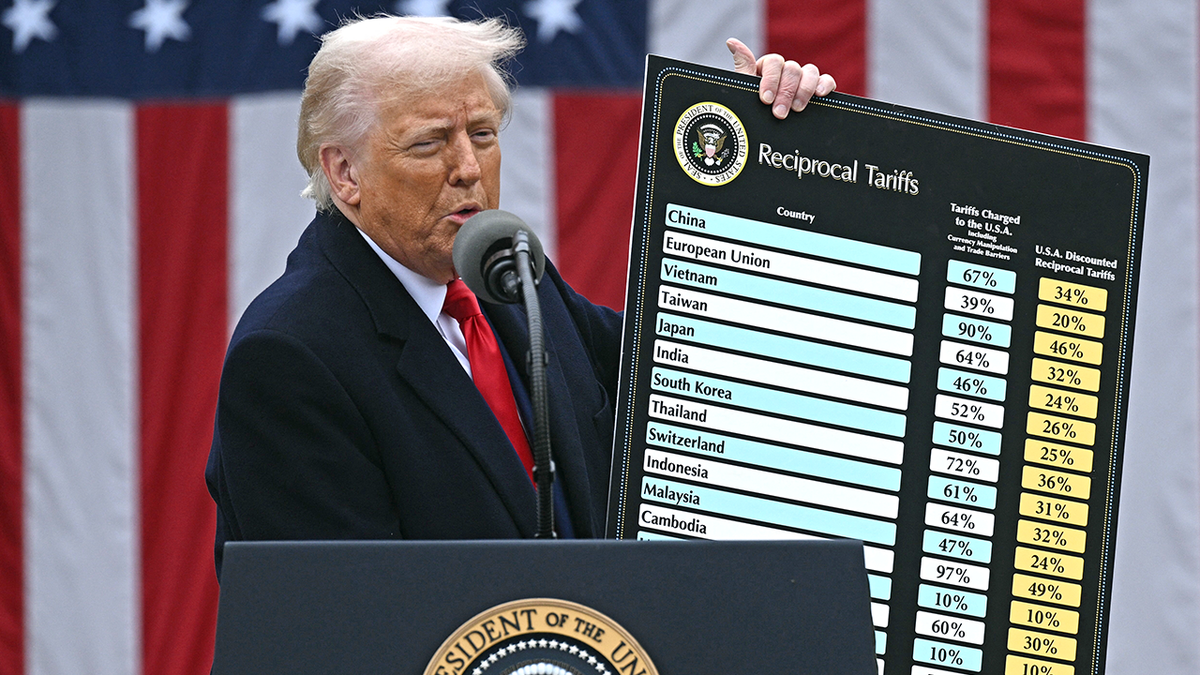
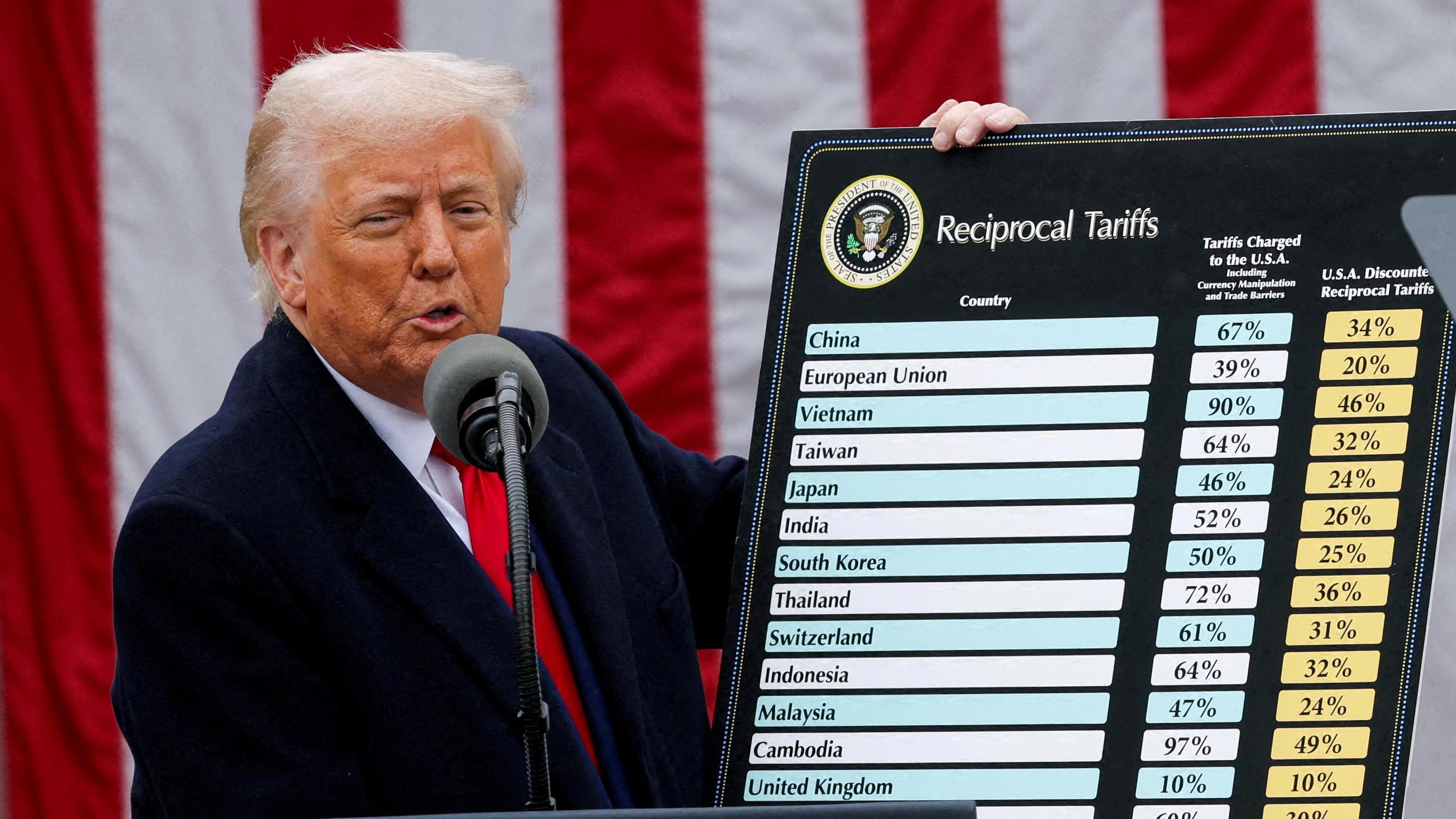
The 2025 Trump tariffs consist of a 10% minimum tariff applied to all imported goods, plus higher reciprocal rates on about 60 countries deemed to have unfair trade practices. These tariffs are imposed under a national emergency declaration tied to large and persistent U.S. goods trade deficits, framed as a national security and economic threat.
In addition to the broad 10% floor, the administration has maintained or increased sector-specific tariffs, including 25% on steel and aluminum, 25% on passenger vehicles and key auto parts, and very high combined rates on Chinese imports. Certain goods, such as pharmaceuticals and semiconductors, are often exempt from the new reciprocal tariffs but remain subject to other product-specific duties.
Key Changes and Recent Agreements
On April 9, 2025, the administration announced a 90-day pause on the highest reciprocal tariffs, during which the 10% minimum tariff and other pre-April 2 duties remain in place. During this pause, the combined tariff on Chinese imports was lowered from 145% to 30%, pending further negotiations.
Separately, the U.S. reached an agreement with the United Kingdom to exempt cars, steel, and aluminum products from the 10% minimum tariff. These adjustments reflect ongoing efforts to manage trade relations while maintaining pressure on major trading partners to address U.S. trade concerns.
Economic and Consumer Impact
Economic modeling suggests that the full April 2 tariff package would significantly increase federal revenue but also reduce real income for the average taxpayer, as consumers pay more for imported goods and shift to less preferred alternatives. The temporary lower rates raise less revenue but impose a similar burden on households, particularly due to the high cost of substituting Chinese goods.
Businesses face higher input costs, especially in manufacturing and retail, while inflation pressures have increased in some sectors. The long-term effects depend on whether the current temporary rates become permanent and how trading partners respond, including potential retaliatory measures and supply chain adjustments.