What Are Powerball Numbers?
Powerball numbers are the six numbers drawn in the U.S. multi-state Powerball lottery: five white balls from 1 to 69 and one red Powerball from 1 to 26. These numbers are used to determine winners for all prize tiers, including the jackpot, in drawings held three times each week.[1][2]
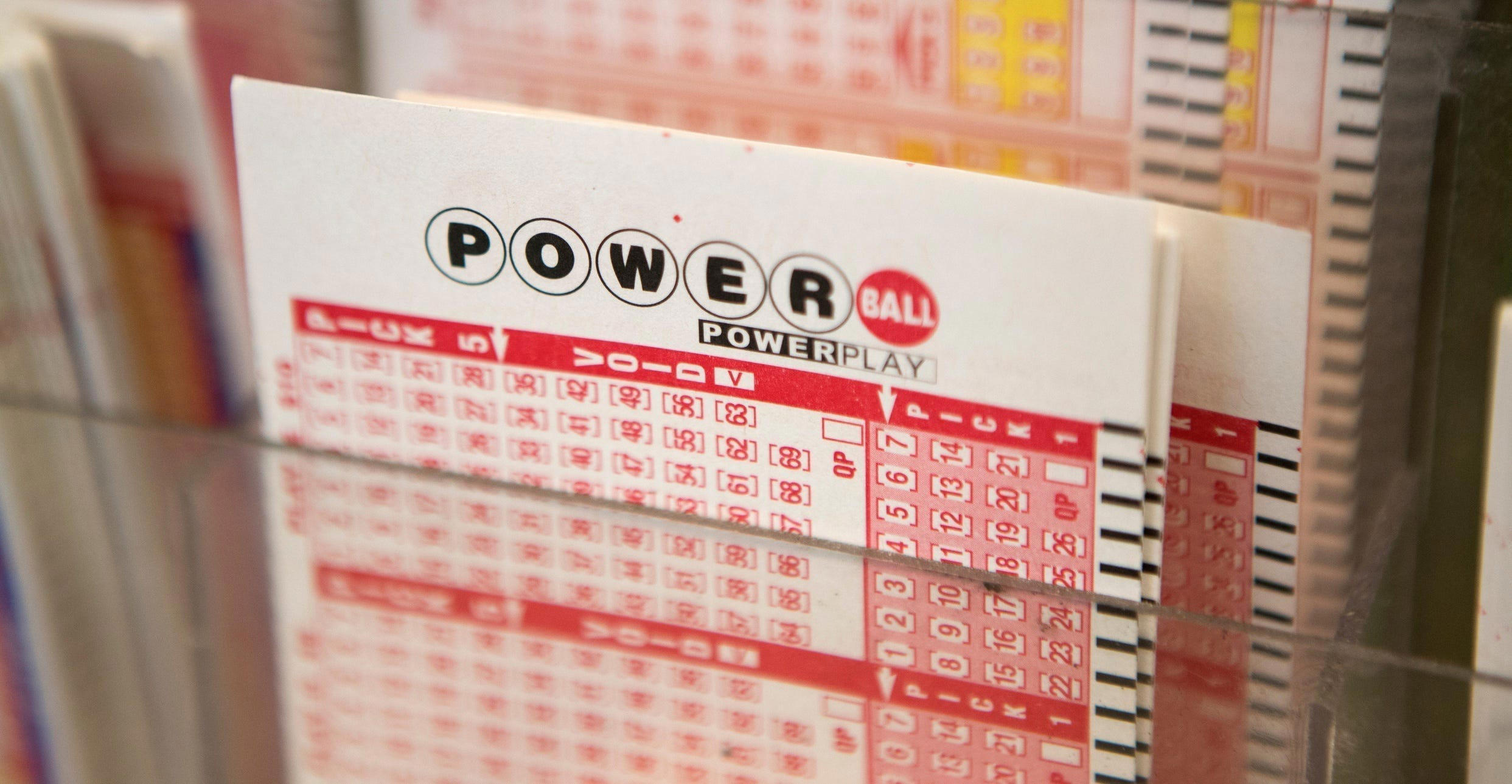
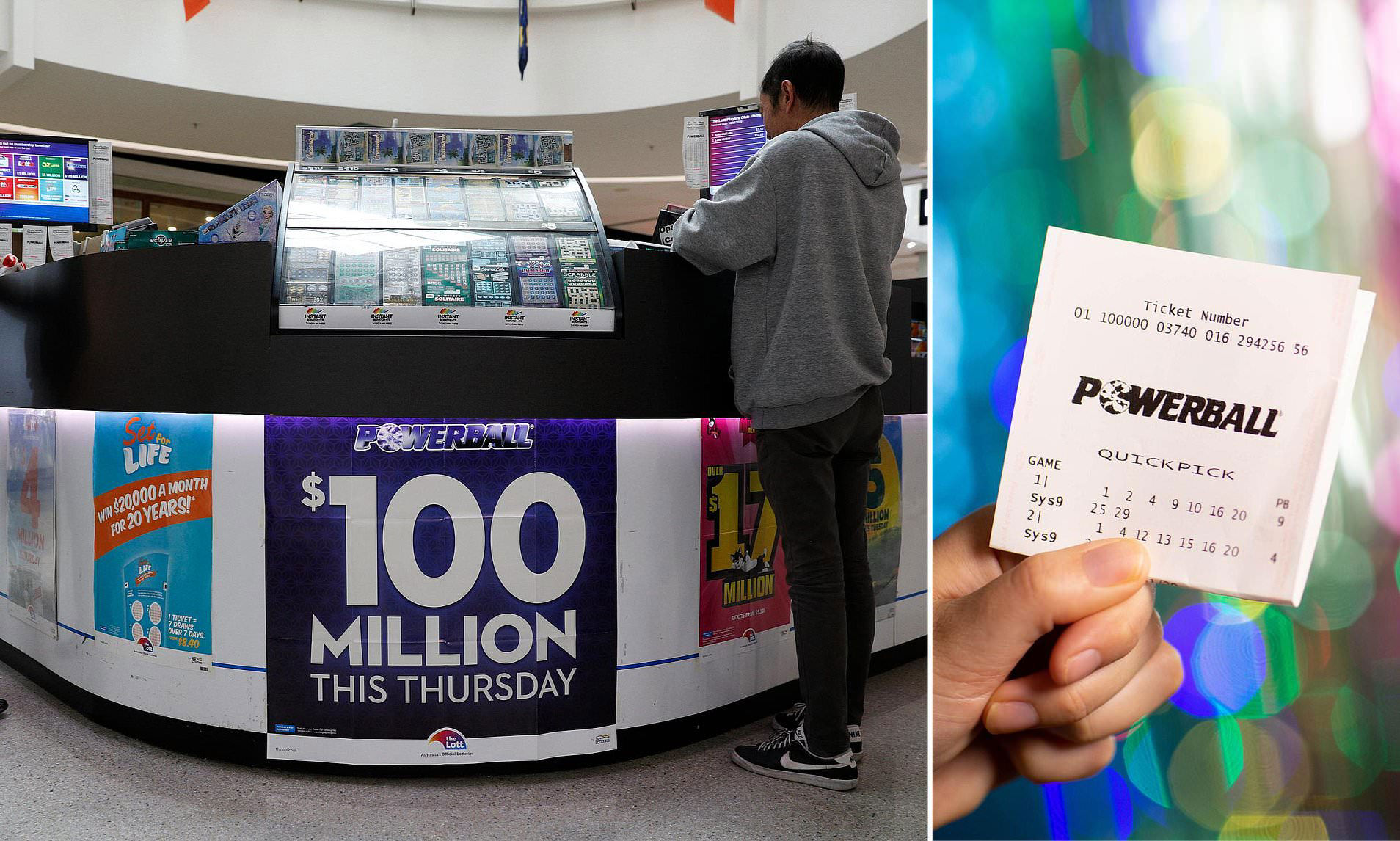
Players select their Powerball numbers manually or use a Quick Pick, where a lottery terminal randomly generates a combination. Matching all five white balls and the red Powerball wins the jackpot, while partial matches can still earn prizes at lower levels, especially when combined with the optional Power Play multiplier.[1]
Latest Powerball Numbers and Jackpot Size
In the most recent drawing, the winning Powerball numbers were 10, 16, 29, 33 and 69, with a red Powerball of 22 and a Power Play of 3X.[2][3] The drawing carried an estimated jackpot of about $930–$936 million, with a cash value of roughly $431 million, placing it among the largest Powerball prizes ever offered.[1][2]
This huge jackpot follows a months-long rollover streak since the last time the top prize was claimed, when tickets in Missouri and Texas split a $1.787 billion jackpot in early September.[1] As the prize has grown, more players have been checking the latest Powerball numbers through official lottery channels and news outlets to see whether this near–billion-dollar pot has finally been won.
How to Play and Check Today’s Powerball Numbers
To play, participants buy a $2 ticket and select five main numbers plus one Powerball, with the option to add Power Play for an extra $1 to multiply most non-jackpot prizes.[1] Powerball is available in 45 states, Washington, D.C., Puerto Rico and the U.S. Virgin Islands, and drawings are held every Monday, Wednesday and Saturday at 10:59 p.m. Eastern Time.[1][5]
Players can verify today’s Powerball numbers on the official Powerball website, state lottery sites and reputable news organizations that publish results shortly after each drawing.[1][2][3] Given the extremely long jackpot odds—about 1 in 292 million—lottery and responsible-gaming groups remind players to treat the game as entertainment and to seek help if gambling stops being fun.[1]