
What are oil prices and where are they now?
Oil prices are the market value of crude oil benchmarks such as West Texas Intermediate (WTI) in the United States and Brent in global trade, and they serve as reference points for the cost of fuels and petrochemicals worldwide. Recently, both WTI and Brent have fallen toward four‑ to five‑year lows as the market shifts from tightness to surplus.
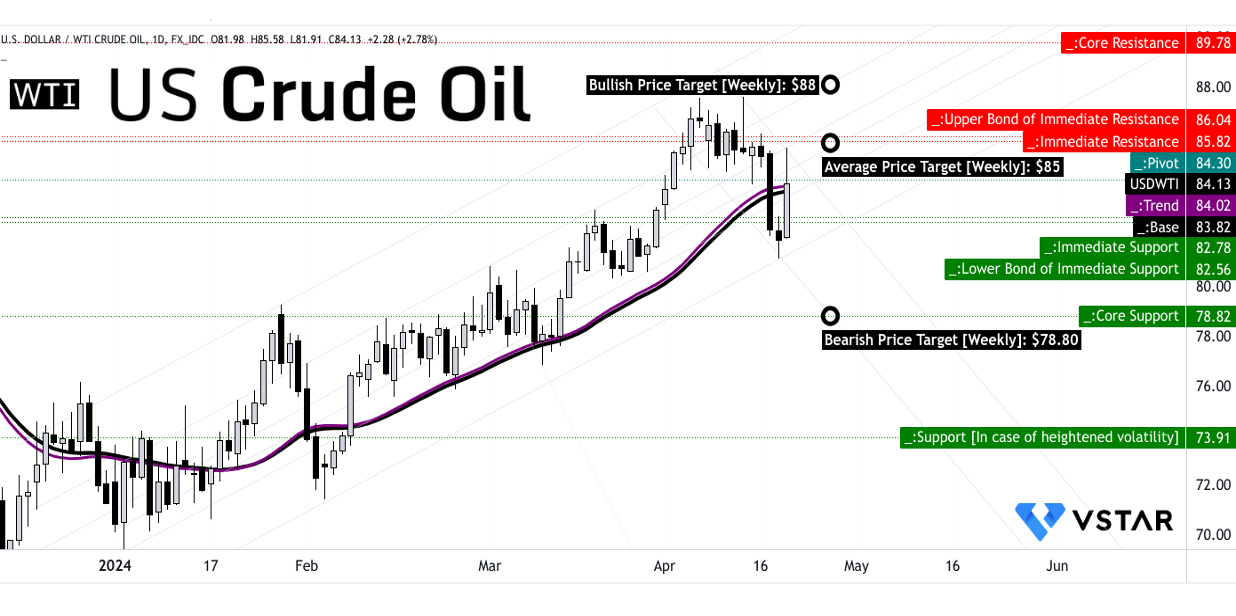
In mid‑December, WTI has been trading in the mid‑$50s per barrel while Brent has slipped below $60, leaving both benchmarks more than 20% lower than a year earlier.[1][2] This marks one of the weakest year‑end levels since early 2021 and follows a period earlier this year when prices were supported by geopolitical risks and strategic buying from major importers.
Why are oil prices falling now?
The main reason for today’s lower oil prices is a clear global oversupply: production growth has outstripped demand growth. Non‑OPEC+ output, led by the United States, has expanded strongly, while OPEC+ has begun lifting production quotas faster than many expected, adding additional supply into a market that was already loosening.[1][2] This has widened the surplus and weighed on prices.
On the demand side, growth has moderated because of slower economic activity in major regions, lingering inflation and high interest rates, which together temper fuel consumption.[1][2][3] At the same time, hopes for a resolution to the Russia‑Ukraine conflict and reduced fears of major supply disruptions have eroded the geopolitical risk premium that kept prices higher for much of the year.[1][2][3] Official outlooks now project that global inventories will keep building into 2026, putting further downward pressure on prices unless producers adjust output or demand strengthens materially.[2][4]
Who wins and loses from lower oil prices?
Lower oil prices tend to benefit consumers and many importing countries by reducing the cost of gasoline, diesel, jet fuel and heating oil. This can ease pressure on household budgets, lower transportation and shipping costs, and help cool inflation, especially in economies heavily reliant on fuel imports.[1][2] Energy‑intensive sectors such as airlines, logistics and manufacturing may also see improved margins as fuel costs fall.
The downside is more acute for oil‑exporting nations and producers, particularly higher‑cost or highly indebted companies. With WTI and Brent both down more than 20% year‑over‑year, cash flows are under strain, leading some firms to cut back drilling and capital expenditure, which can weigh on employment and investment in energy‑producing regions.[1][2] For investors, the energy sector has faced headwinds as prices retreat, though some analysts argue that sustained low prices could eventually force enough supply discipline to set up a tighter market and potential price recovery over the medium term.[2][3]