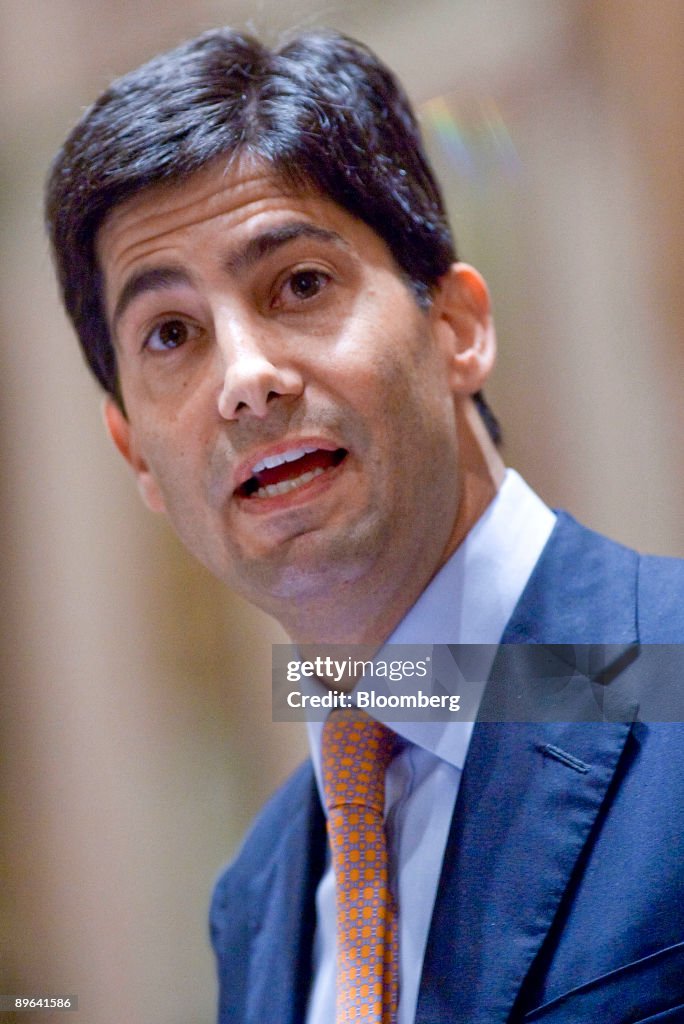
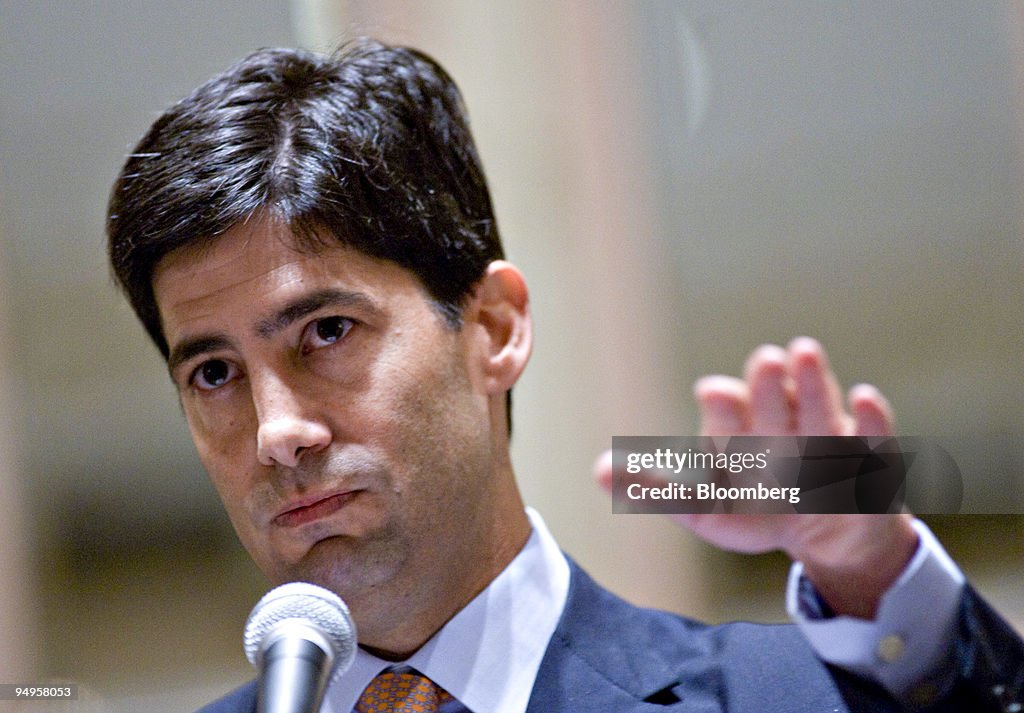
Who is Kevin Warsh?
Kevin Warsh is a former Federal Reserve governor, Wall Street dealmaker, and academic economist who has become a leading contender to serve as the next chair of the U.S. Federal Reserve. He is widely known for his role during the 2008 financial crisis and his later critiques of prolonged ultra‑easy monetary policy.
After leaving the Fed in 2011, Warsh joined the Hoover Institution at Stanford University as the Shepard Family Distinguished Visiting Fellow in Economics, while lecturing at the Stanford Graduate School of Business.[3] He also became a partner at Duquesne Family Office and joined the boards of companies such as UPS and Korean e‑commerce giant Coupang, maintaining strong ties to both policy and markets.[3]
Trump’s Fed chair search and Warsh’s rise
Donald Trump has moved into the final stage of selecting the next Federal Reserve chair and has confirmed that Kevin Warsh is among the candidates he is personally interviewing at the White House.[2] According to reporting based on Trump’s comments, Warsh and economist Kevin Hassett are now seen as the two leading contenders, with Trump saying both “Kevins” are strong options and placing Warsh near the top of his list.[1]
Trump has made clear he is looking for a Fed chief who will support much lower interest rates, arguing that U.S. rates should be well below current levels and indicating a preference for policy that more aggressively supports growth and asset prices.[1][2] He has also suggested that the next chair should consult more closely with the president on rate decisions, which would be a notable shift from the recent norm of arm’s‑length communication between the White House and the central bank.[1]
Potential impact of a Warsh-led Federal Reserve
Warsh’s record at the Fed and his later writings suggest he is wary of keeping interest rates too low for too long and has concerns about the side effects of unconventional policies like large‑scale asset purchases. This reputation as a critic of exceptionally easy money policy has appealed to some conservative policymakers and investors who worry about asset bubbles and long‑term financial risks.[3]
If named chair, however, Warsh would face immediate pressure from Trump to move policy in the opposite direction—toward lower rates and potentially faster easing—raising questions about how he would balance inflation control, financial‑stability concerns, and political demands.[1] Markets are watching his public comments closely for clues about his stance on future rate cuts, balance‑sheet policy, and how firmly he would defend the Fed’s independence in the face of presidential expectations for easier money.
Given Warsh’s experience as the Fed’s representative to the G‑20 and as an emissary to key Asian economies, his leadership would likely maintain a strong focus on the global dimensions of U.S. monetary policy, including the impact on the dollar, global capital flows, and emerging‑market vulnerabilities.[3] His combination of crisis‑era central banking experience, market ties, and alignment with many Republican economic priorities means his selection would be interpreted as a significant strategic shift in how the U.S. approaches monetary policy and financial stability.