Who is Kevin Hassett?
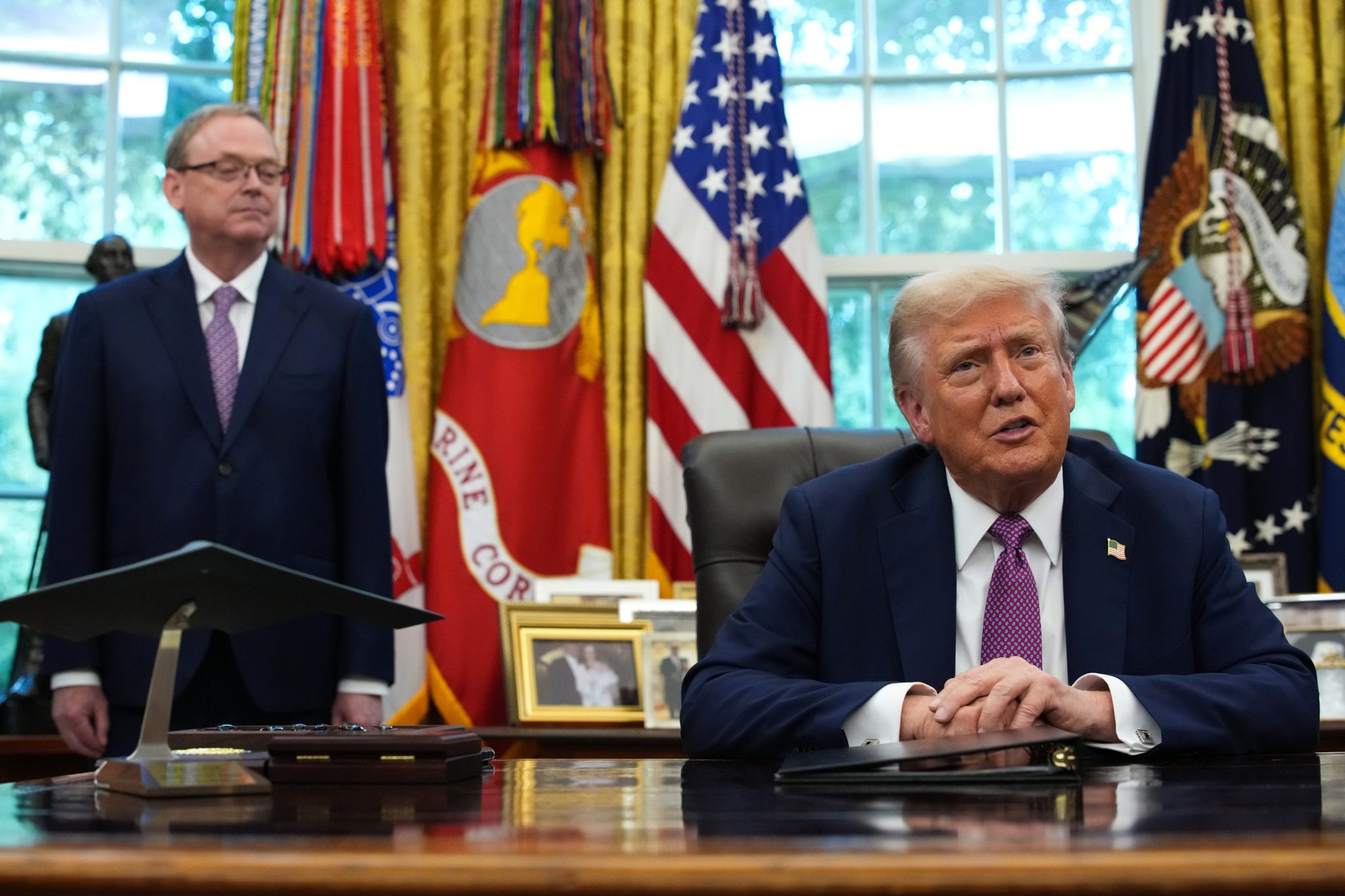
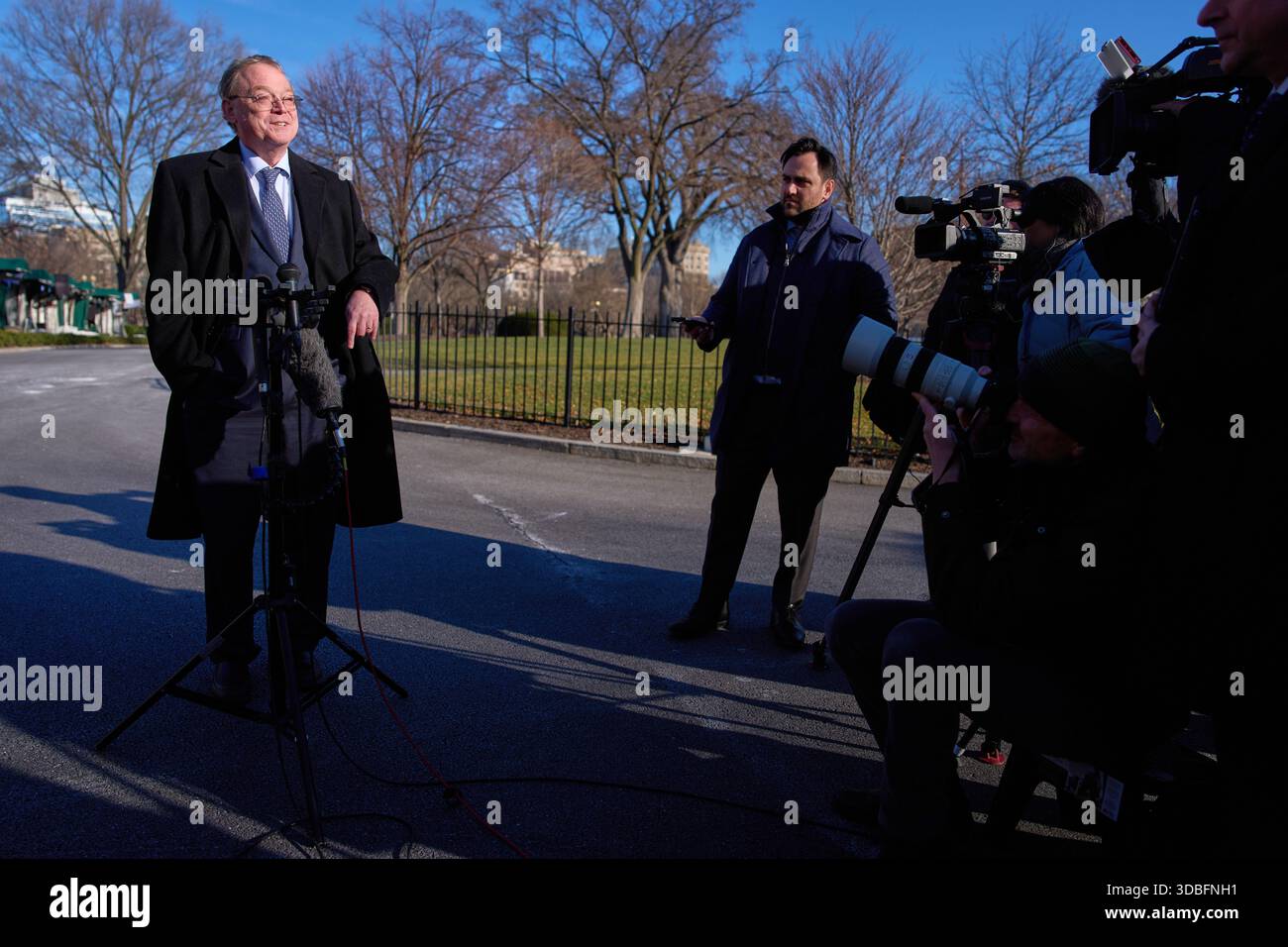
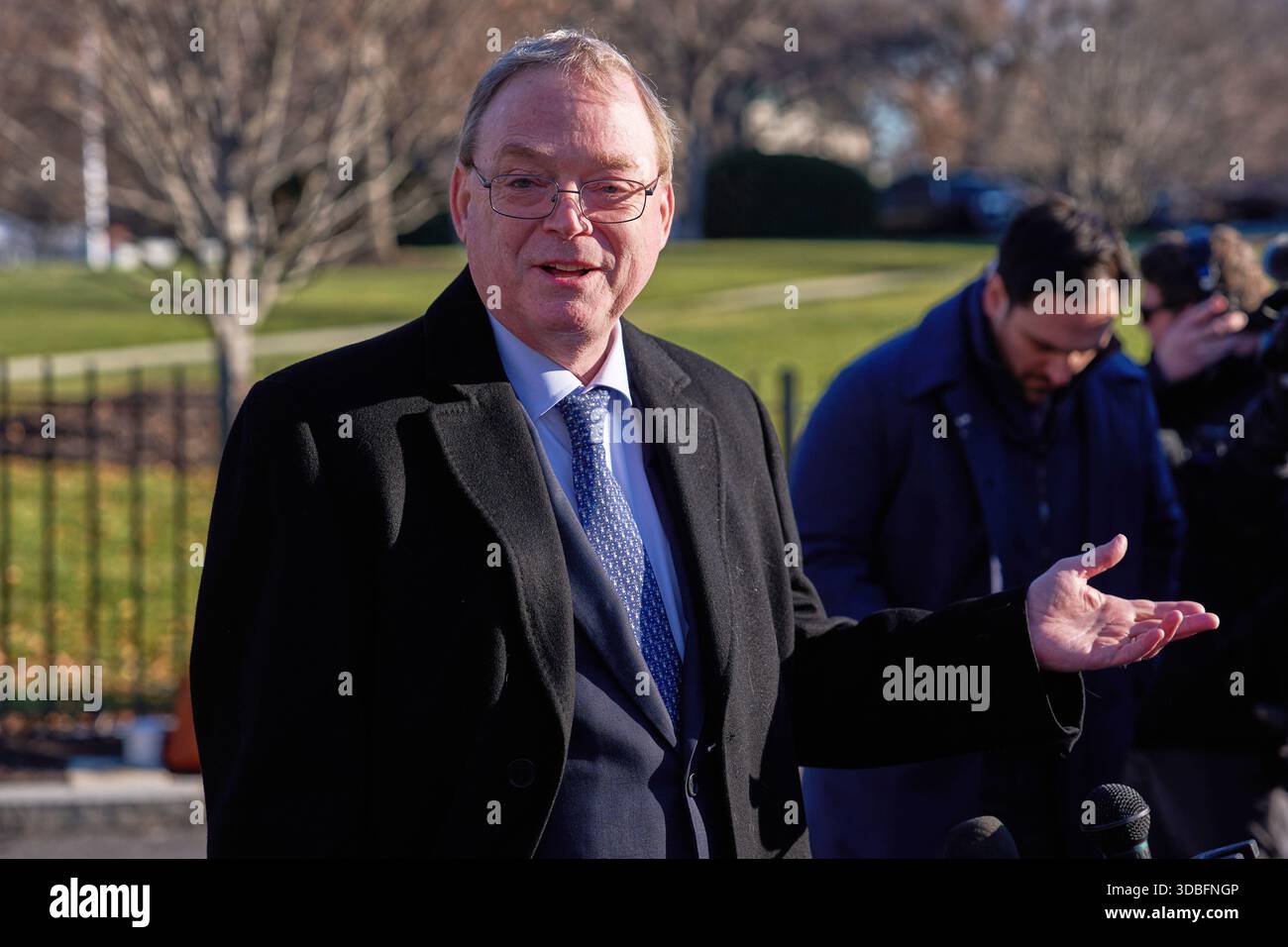
Kevin Hassett is a conservative American economist and senior Republican policy adviser who currently serves as director of the National Economic Council in Donald Trump’s second administration.[2] He is best known for his advocacy of pro-growth, supply-side policies, his role in the 2017 tax cuts, and his close alignment with Trump’s economic agenda.[2]
Hassett previously chaired the Council of Economic Advisers from 2017 to 2019, where he helped design and defend the Tax Cuts and Jobs Act and advised on trade and regulatory policy.[2] He later returned to the White House during the COVID-19 pandemic as a senior adviser focused on economic modeling and recovery, before being tapped in late 2024 to lead the NEC with a broader mandate over economic strategy.[2]
From NEC Director to Federal Reserve Shortlist
Hassett has long been mentioned as a possible Federal Reserve chair under Trump, and after Trump’s return to the White House he quickly emerged as a serious contender to succeed Jerome Powell when Powell’s term ends in 2026.[2] In October 2025, Treasury Secretary Scott Bessent confirmed that Hassett was on a formal shortlist of five candidates under consideration for the job, cementing his status as a front-runner.[2]
Political and financial press report that Trump has repeatedly praised Hassett and another candidate as leading options for the Fed, underscoring his trust in Hassett’s loyalty and policy instincts.[1][2] However, some senior Trump allies have reportedly raised concerns about naming Hassett, citing his controversial COVID-era modeling, his strong identification with Trump’s tariff strategy, and the risk that markets might question the Fed’s independence under his leadership.
What a Hassett Fed Could Mean for the Economy
Hassett’s economic philosophy centers on the idea that growth is best driven by lower taxes, lighter regulation and incentives for business investment, a view he applied in designing Trump-era corporate tax cuts and defending tariff threats as bargaining tools.[2] If he became Fed chair, many analysts expect him to favor monetary policies that support growth and investment, potentially showing more tolerance for moderate inflation than more traditional inflation hawks.
Critics worry that Hassett’s close political ties and past willingness to back optimistic forecasts could lead to pressure for looser policy even when inflation risks are elevated, blurring the line between the Fed and the White House. Supporters counter that his deep familiarity with markets and fiscal policy would help coordinate responses to shocks, arguing that a Hassett Fed could deliver faster growth and employment if paired with structural reforms. The final choice of Fed chair will therefore shape not only the path of interest rates but also global confidence in U.S. economic governance for years to come.