Who Is Wes Moore?
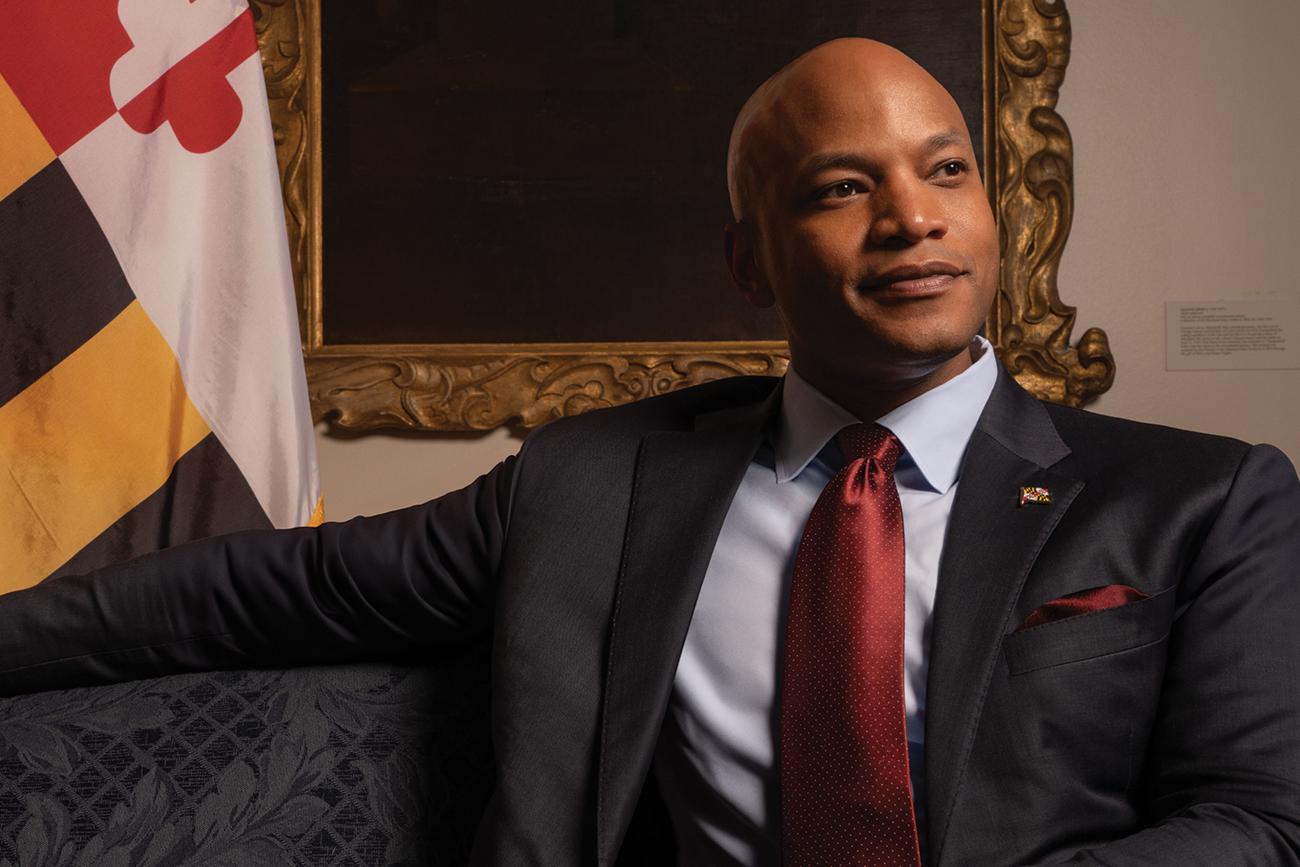
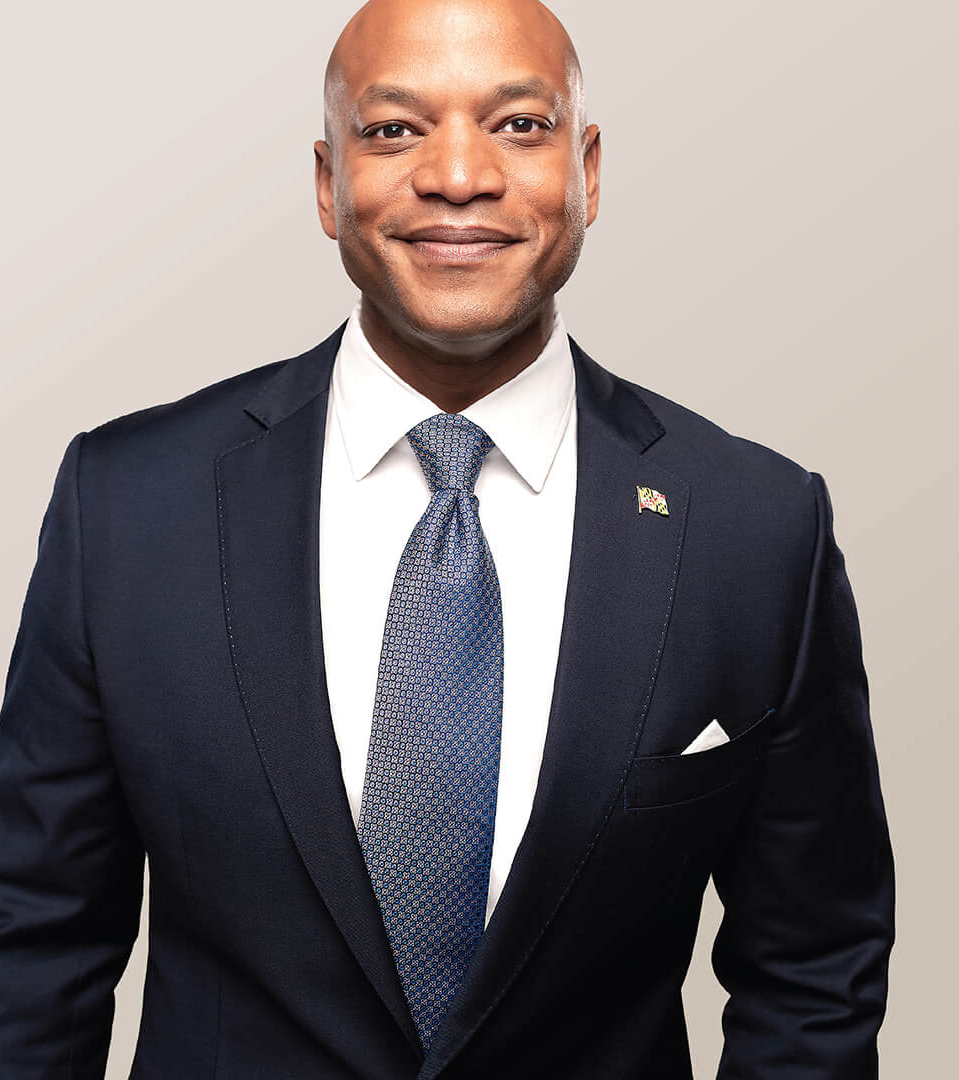
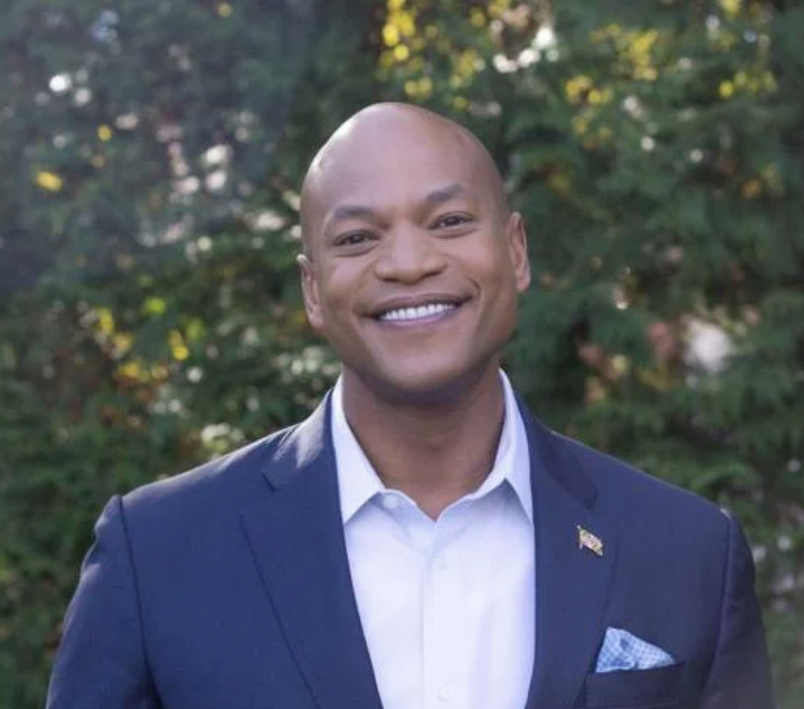
Wes Moore is the 63rd governor of Maryland, a Democrat, and the first Black governor in the state’s 246-year history, making him only the third African American ever elected governor of any U.S. state.[3][4][6] Born in Takoma Park, Maryland, in 1978, he rose from a turbulent youth to become a Rhodes Scholar, Army captain, and bestselling author before entering politics.[3][4][5]
Before his election, Moore led soldiers in combat in Afghanistan, worked on Wall Street, and later ran BridgeEdU, a company designed to support underserved students in the transition to college.[3][4][5][6] He then served as CEO of the Robin Hood Foundation, where he oversaw the distribution of hundreds of millions of dollars aimed at lifting families out of poverty.[5][6]
Moore gained national attention through his books, especially "The Other Wes Moore," which juxtaposes his life with that of another man from a similar background who ended up incarcerated, using their stories to explore structural inequality and personal responsibility.[3][4][7] That narrative, combined with his record of service, has shaped his political brand around opportunity, second chances, and public service.[3][4]
Governing Agenda and Impact in Maryland
Since taking office in January 2023, Moore has focused on three core themes: reducing child poverty, strengthening the middle class, and investing heavily in public education.[1][4][6] His administration highlights “first-in-the-nation” anti-poverty initiatives and record funding for schools as central to making Maryland more equitable and economically competitive.[1][6]
Moore’s economic agenda pairs social investment with fiscal management, including moving the state from a structural budget deficit to a surplus while cutting taxes for veterans and middle-income families.[1][5] He has also pushed to ease regulations on new housing development and expand support for military families, arguing that these steps will make Maryland more affordable and attractive to workers and businesses.[4][5]
On public safety, Moore has prioritized reducing violent crime, particularly in Baltimore, where state data show homicides falling to their lowest levels in roughly five decades during his tenure.[1] His team frames this as the result of a coordinated approach that combines law enforcement resources with community programs, offering a potential model for other cities confronting persistent gun violence.[1][3]
National Profile, Crisis Response, and Scrutiny
Moore’s profile has grown beyond Maryland as he takes on roles such as vice-chair of the National Governors Association and participates in national debates on economic mobility, education, and democracy.[4][5][6] His historic election, personal story, and early policy record have led many analysts to view him as a rising figure within the Democratic Party with potential future national ambitions.[3][4]
His leadership during crises has further elevated his standing, notably the response to the Francis Scott Key Bridge collapse, where his administration helped reopen the Port of Baltimore in about 11 weeks, ahead of many expectations.[1] That effort was widely seen as critical to preserving jobs and stabilizing supply chains, reinforcing his image as a pragmatic, results-oriented executive.[1][3]
At the same time, Moore faces growing scrutiny typical of high-profile officials, including renewed media examination of elements of his résumé and biographical narrative.[3][4] Supporters argue that his record in office and long-standing focus on service and anti-poverty work speak for themselves, while critics contend that questions about his self-presentation warrant continued attention, underscoring how closely his trajectory is now being watched on the national stage.[3][4]