

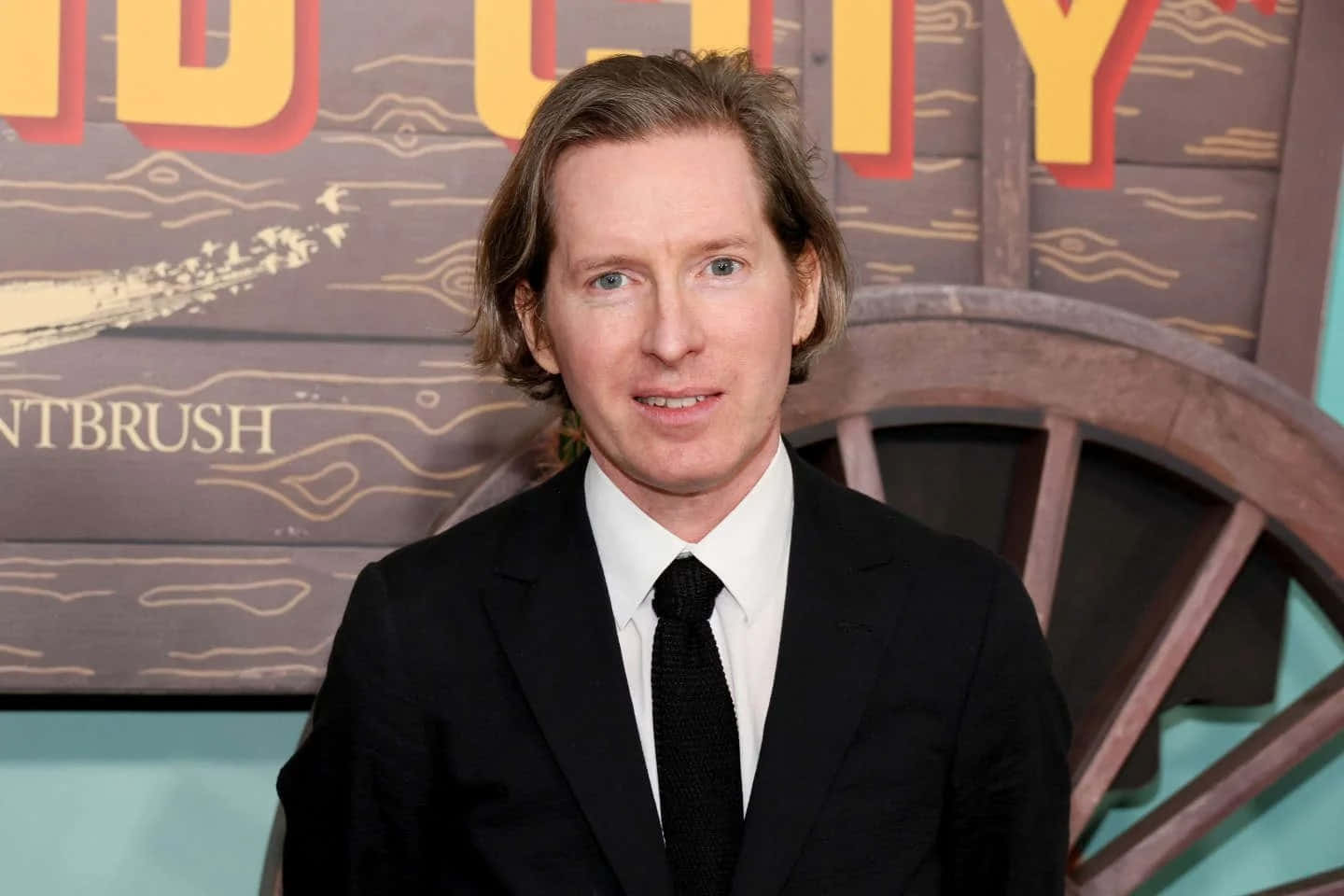
Who Is Wes Anderson?
Wes Anderson is an American director, screenwriter, and producer known for his highly stylized films that combine precise visuals, deadpan humor, and emotionally understated performances. He first gained wide attention with the offbeat prep-school comedy Rushmore and solidified his reputation with the ensemble family drama The Royal Tenenbaums.
Over the years, Anderson has become synonymous with symmetrical framing, pastel color schemes, storybook-like sets, and carefully curated soundtracks, often featuring British Invasion rock and classic pop. His recurring collaborations with actors like Bill Murray, Owen Wilson, Jason Schwartzman, and Tilda Swinton have helped create a recognizable “Wes Anderson world” that spans live-action and stop-motion animation.
The Phoenician Scheme and Anderson’s Current Era
The Phoenician Scheme, released in 2025, is the latest feature to showcase Anderson’s evolving style while preserving his core signatures. The film centers on industrialist Zsa-Zsa Korda, his estranged daughter Liesl, and their tutor Bjørn as they navigate assassination attempts, inheritance battles, and an ambitious, morally fraught infrastructure project in the fictional territory of Phoenicia.[1][4]
Critics describe the movie as unmistakably Andersonian, with meticulous production design, vibrant color palettes, and arch, whimsical dialogue, but also note a slight retreat from the self-parodic excess some saw in Asteroid City and The French Dispatch.[1] This has positioned The Phoenician Scheme as a test of whether Anderson can refresh his approach while maintaining the idiosyncrasies that define his brand of auteur cinema.
Legacy, Archives, and Cultural Impact
The recent release of The Wes Anderson Archive: Ten Films, Twenty-Five Years by the Criterion Collection signals how firmly his work has entered the modern canon. The twenty-disc set gathers new 4K restorations of ten key features, from Bottle Rocket and Rushmore to The Grand Budapest Hotel, Isle of Dogs, and The French Dispatch, with restorations supervised and approved by Anderson himself.[2]
Outside of home video and festivals, Anderson’s influence is visible in the proliferation of “Wes Anderson style” videos, advertisements, and photo trends that imitate his centered compositions, color blocking, and retro props to evoke nostalgia and handcrafted charm. As a result, his name now functions not only as that of a celebrated filmmaker but also as shorthand for a broader visual and storytelling language that shapes how audiences and creators imagine quirky, emotionally resonant worlds on screen.