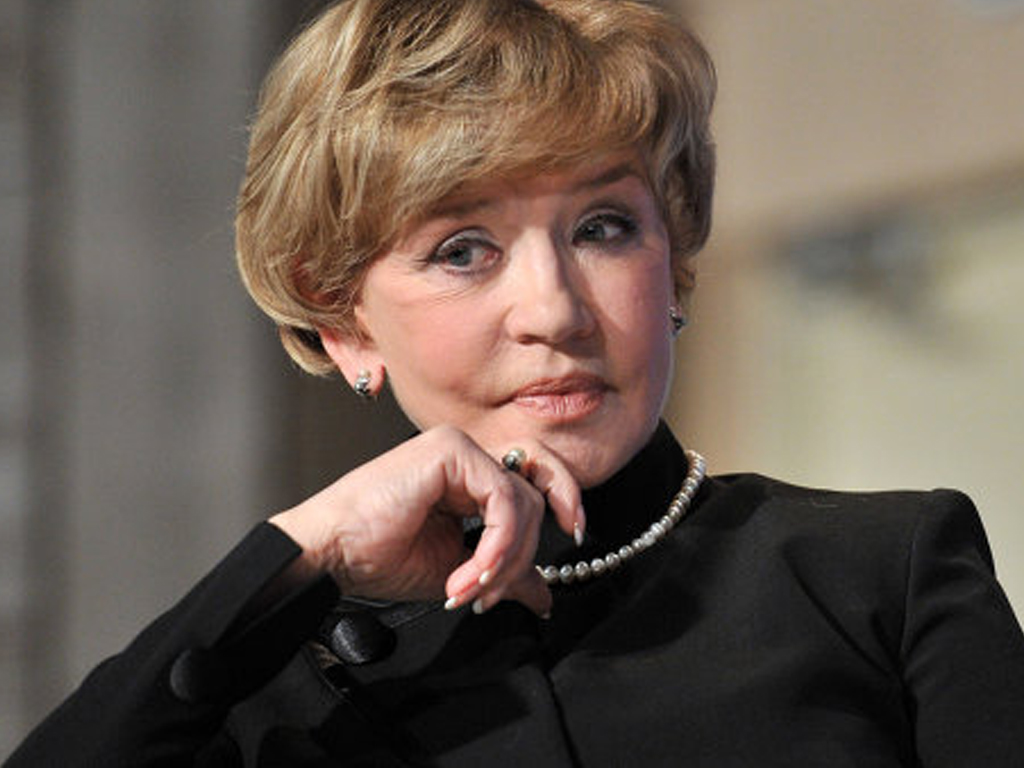
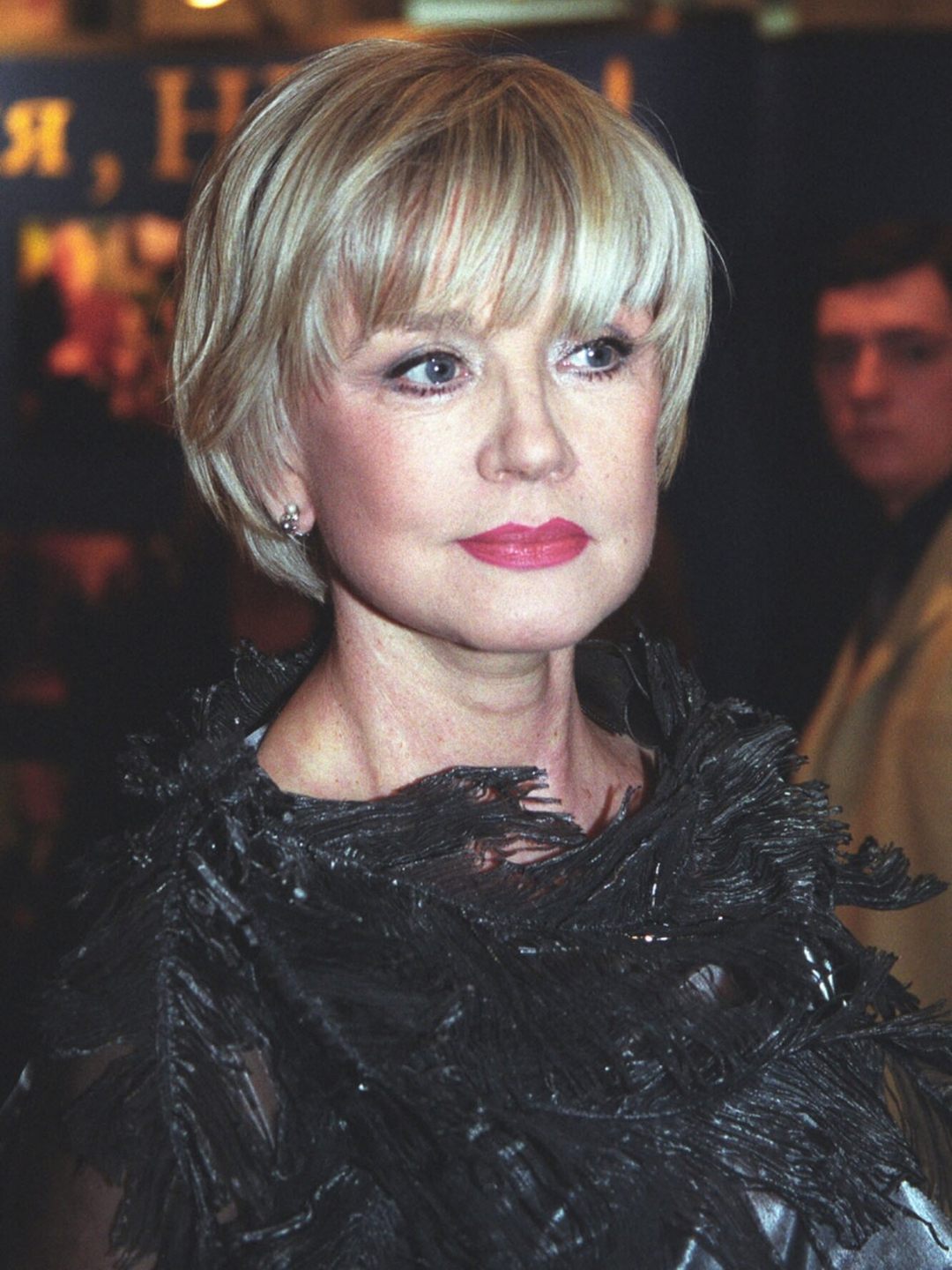
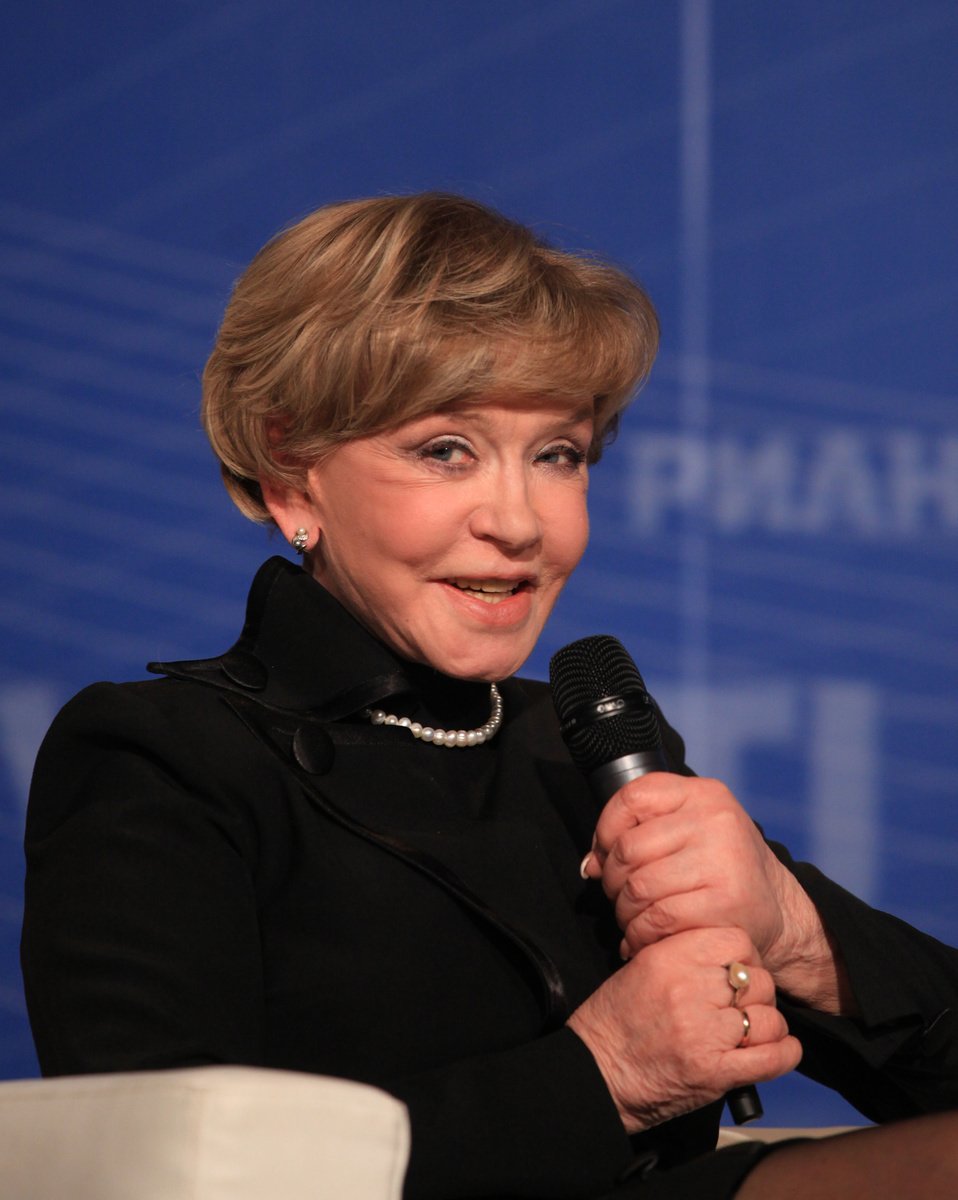
Who was Vera Alentova?
Vera Alentova was a Soviet and Russian actress of film and theater, widely known for her leading role as Ekaterina Tikhomirova in the film Moscow Does Not Believe in Tears, which won the Academy Award for Best Foreign Language Film.[6][8] She built a decades‑long career at the Pushkin Drama Theater in Moscow and became one of the most recognizable actresses of her generation.[4][6][7]
Her death at the age of 83, reported by Russian media and international death lists, has drawn fresh global attention to her work and to the era of Soviet cinema she helped define.[2][3] Coverage has highlighted both her star image and her reputation among colleagues as a serious, disciplined dramatic performer.[4][6]
The film "Moscow Does Not Believe in Tears" and global fame
Alentova’s defining role came in Vladimir Menshov’s film Moscow Does Not Believe in Tears, where she portrayed Katia, a factory worker who becomes a successful professional while navigating love and family in Moscow.[6][8] The film became a cultural phenomenon in the Soviet Union and later won the Oscar for Best Foreign Language Film, making both the director and Alentova internationally known.[6][8]
Her nuanced performance, balancing strength, vulnerability, and everyday realism, has been cited by critics and biographers as central to the film’s emotional impact.[6][8] In the wake of her death, film platforms and critics have been recommending the movie as an entry point for global viewers interested in Soviet social history through cinema.[6][7][8]
Theater career and lasting legacy
Alongside her film work, Alentova was a leading actress at the Moscow Pushkin Drama Theater, where she played a wide range of complex dramatic roles.[4][6] Commentaries from within the theater community emphasize her importance during a period when new artistic leadership revitalized the repertoire and brought in new audiences.[4]
Today, obituaries and retrospectives describe her as a bridge between Soviet and post‑Soviet culture, embodying the continuity of Russian acting traditions across political and social change.[2][3][6] As international databases and critics revisit her work, Vera Alentova is increasingly framed as a significant figure in 20th‑century world cinema whose performances continue to shape how global audiences imagine everyday life in the late Soviet period.[6][7][8]