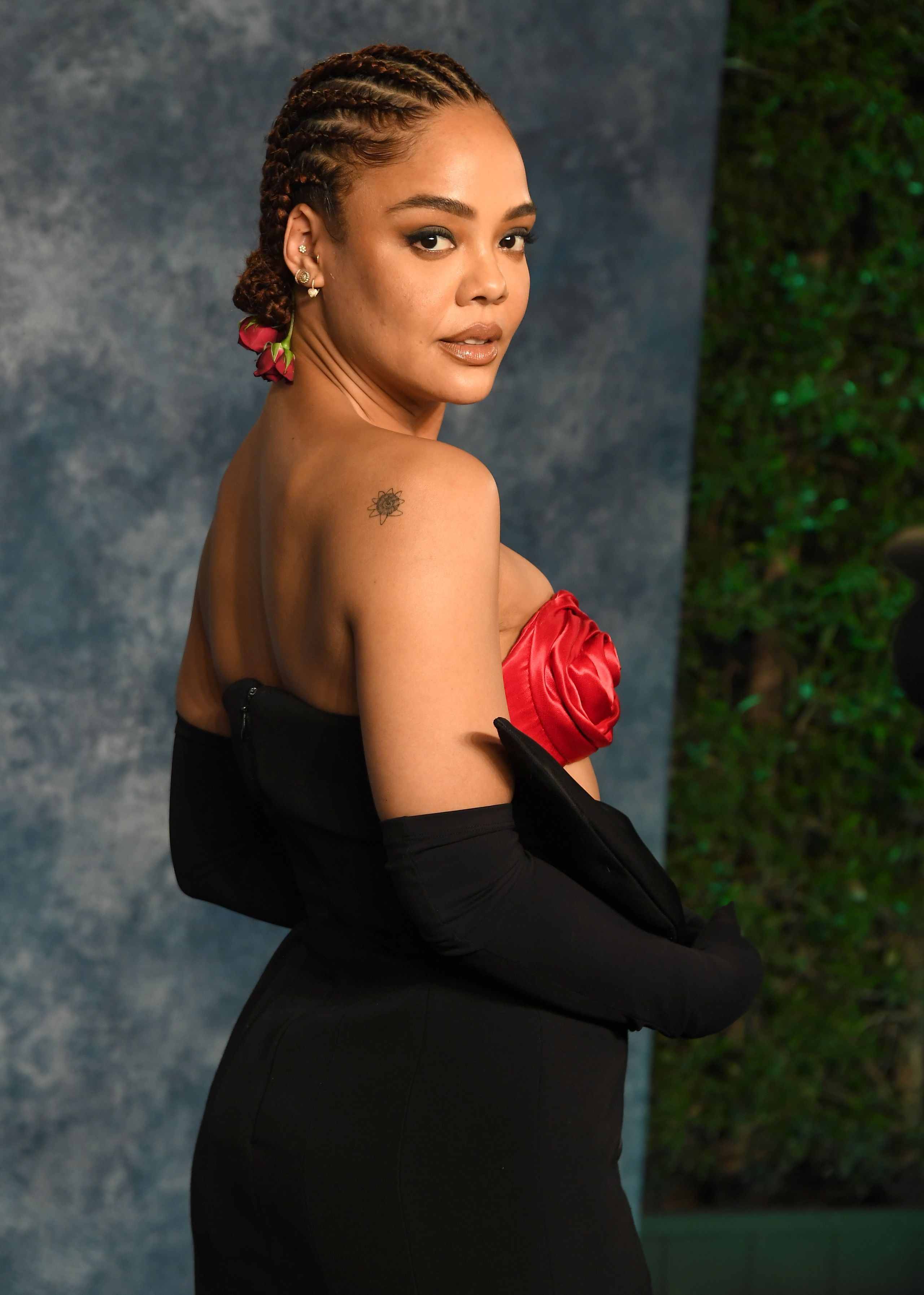
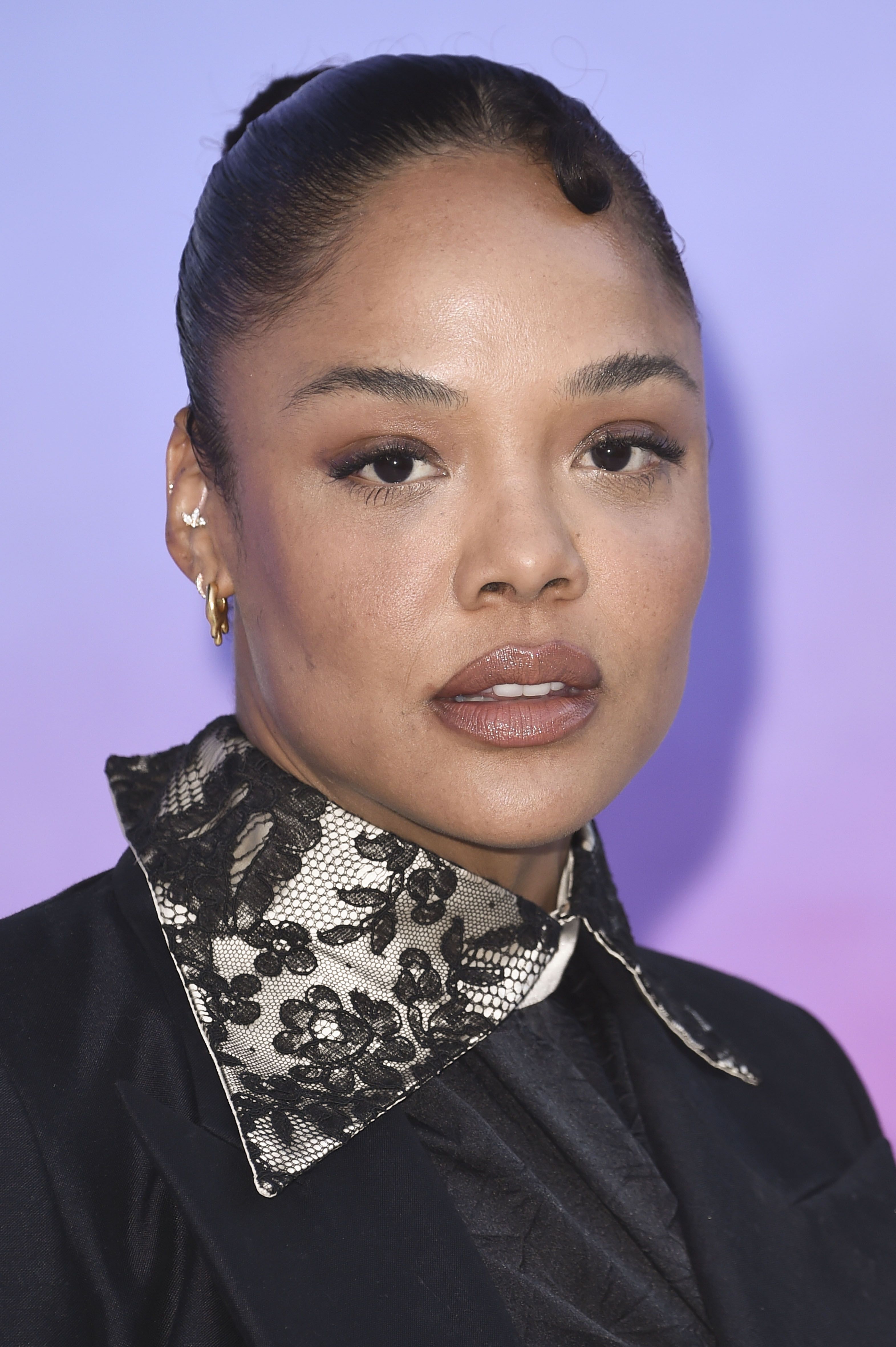

Who is Tessa Thompson?
Tessa Thompson is an American actress, producer, and musician known for moving fluidly between independent dramas and large-scale franchises such as Creed, Westworld, and the Marvel Cinematic Universe.[2][3] Born in Los Angeles in 1983, she has earned nominations for BAFTA, Golden Globe, and Primetime Emmy Awards, highlighting her reputation as one of the most respected performers of her generation.[2][3]
Thompson first gained attention on stage with the Los Angeles Women’s Shakespeare Company before transitioning to television roles in series like Veronica Mars and Copper.[2][3] She later became widely recognized for her film work in Dear White People and Selma, where she portrayed characters deeply rooted in questions of race, history, and activism.[2][5]
Recent projects and creative control
In the 2010s and 2020s, Thompson consolidated her status as a leading actor with roles in Creed and its sequels, the Marvel films Thor: Ragnarok and Thor: Love and Thunder, and the sci-fi series Westworld.[2][3] At the same time, she embraced more experimental and politically engaged work in films like Sorry to Bother You, Annihilation, Little Woods, and the black-and-white period drama Passing, the latter earning her a BAFTA nomination for Best Actress.[2][3]
Thompson has also moved decisively into producing, serving as an executive producer on the romantic drama Sylvie’s Love, which received a Primetime Emmy nomination for Outstanding Television Movie.[3] Her title role and executive producer credit on Hedda (2025), a psychologically driven adaptation of Hedda Gabler, underline her desire to shape the stories she tells and to foreground complex female characters wrestling with autonomy and identity.[3][4]
Cultural impact and future direction
Thompson’s portrayal of Valkyrie in the Marvel Cinematic Universe has been especially significant for representation, introducing a powerful Black, queer hero into one of the world’s most visible film franchises.[2][3] Alongside roles in Dear White People, Selma, and Passing, this work positions her as a prominent voice in onscreen explorations of race, gender, and sexuality.[2][3]
By combining acting with producing and, more recently, directing a music video for Arooj Aftab’s “Raat Ki Rani,” Thompson exemplifies a new model of multi-hyphenate artist who seeks creative agency across disciplines.[3] Her trajectory suggests a future in which she continues to alternate between mainstream hits and formally adventurous projects, while using her platform to expand the range of stories and identities represented in global film and television.[2][3][7]