
What “Shakespearean Titles” Means in NYT Strands
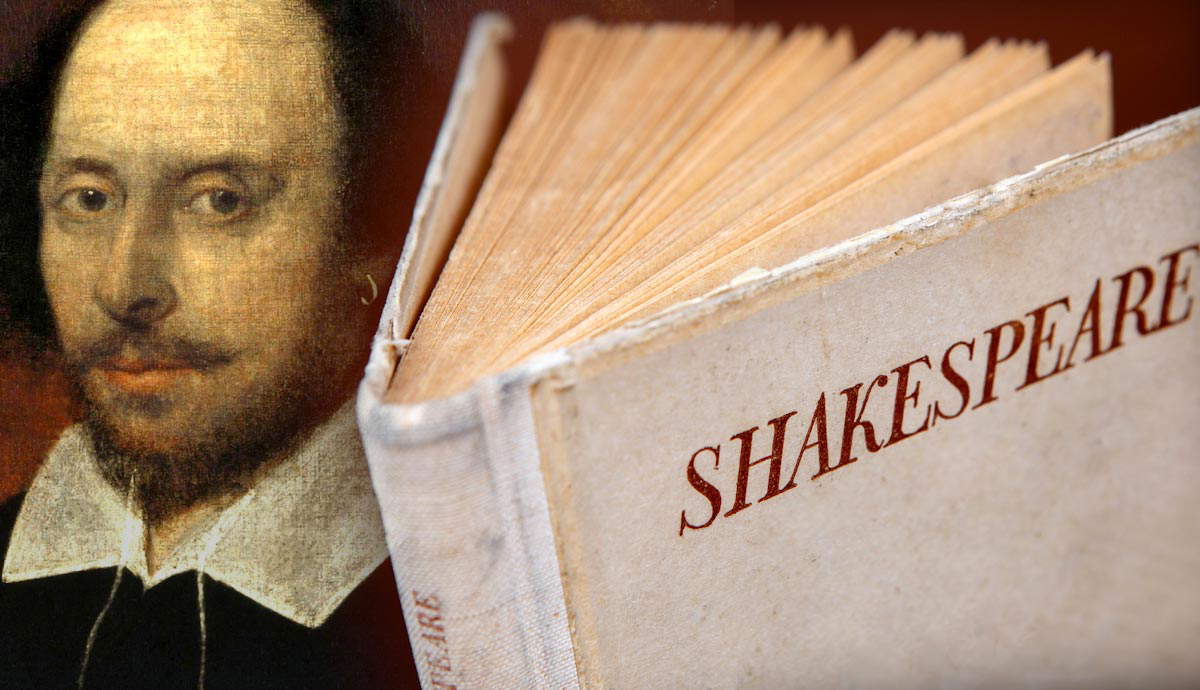
In NYT Strands, “Shakespearean titles” is the daily theme that directs players to search for words tied to William Shakespeare’s plays, especially those that appear in or evoke the titles themselves.[1][2] Instead of obscure quotations, the puzzle leans on familiar terms that can stand alone as everyday vocabulary while still pointing clearly to specific works.[1][2]
This approach lets the game celebrate Shakespeare without demanding deep literary expertise, making it approachable for a wide audience. Because Strands is part of the broader NYT Games ecosystem, the theme also reinforces the brand’s blend of culture, language, and light education in a quick-play format.[2]
Today’s Key Answers and Central Spangram
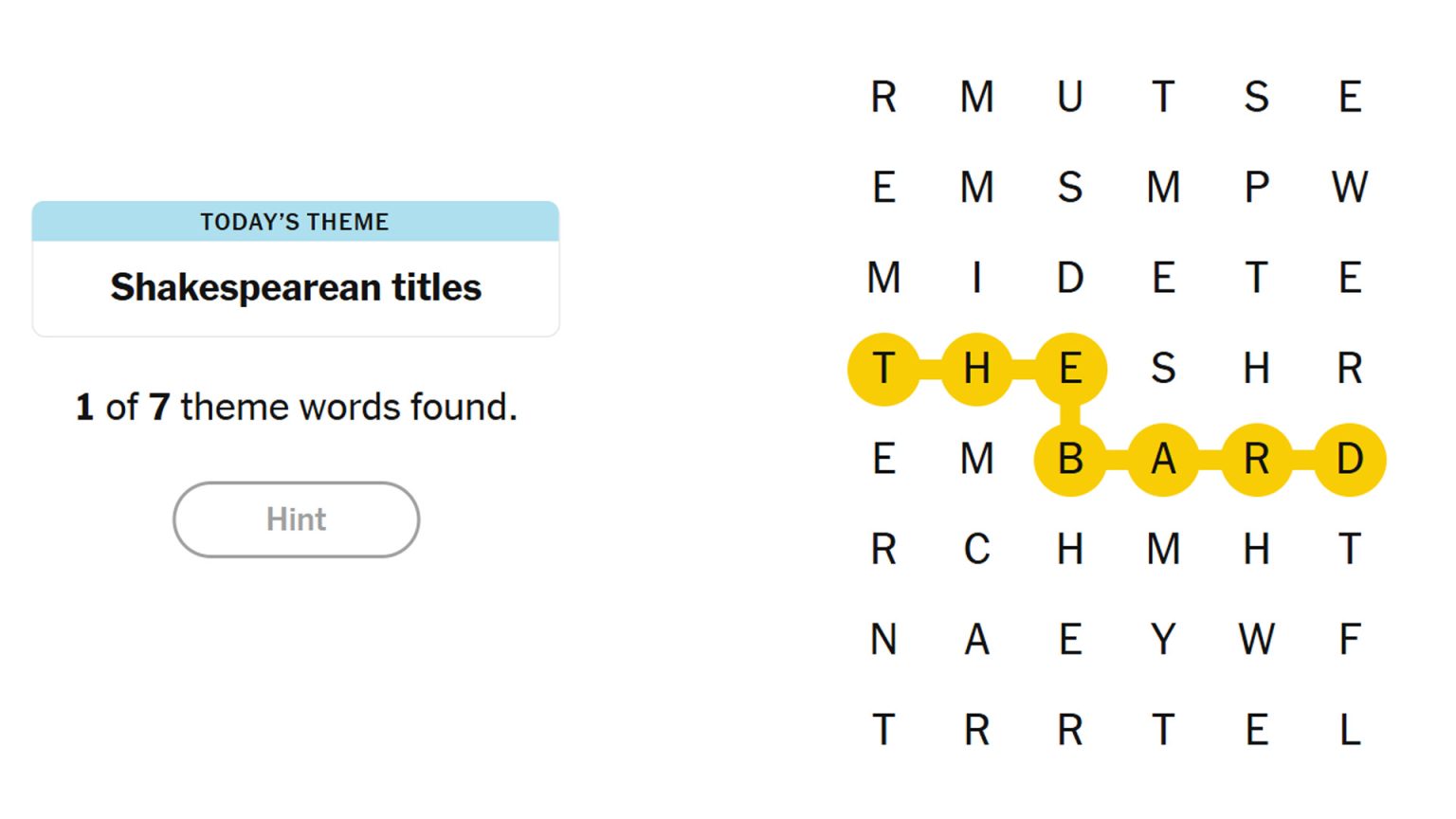
Guides to today’s puzzle highlight several core answers: SHREW, TEMPEST, MERCHANT, MERRY, and TWELFTH, each mapping onto a Shakespeare play title such as "The Taming of the Shrew" or "The Merchant of Venice."[1][2] These entries are scattered across the grid, requiring players to visually trace letter paths while keeping the overarching theme in mind.[1][2]
The most important discovery is the spangram THEBARD, which stretches across the board and links opposite sides.[2] In Strands, the spangram functions both as a thematic anchor and a structural constraint: once identified, it confirms the puzzle’s focus on Shakespeare and helps solvers narrow down remaining options by scanning for additional title-related words.[2]
Why This Bard-Themed Puzzle Is Trending
Coverage from puzzle and tech sites notes that today’s Strands is rated on the easier side, thanks to short, common words and a straightforward literary theme.[2] This makes it particularly shareable on social platforms, as more players are able to achieve a perfect or near-perfect solve and then seek out hint pages or answer breakdowns afterward.[1][2]
By centering Shakespeare, the puzzle also taps into a deep cultural well, appealing simultaneously to word-game enthusiasts, educators, and literature fans.[1][2] As daily hint articles attract repeat visitors, they amplify both the visibility of Strands and renewed curiosity about Shakespeare’s plays, showing how classic texts can gain fresh relevance through casual, digital-first formats.[2]