Early Life and Rise to Power
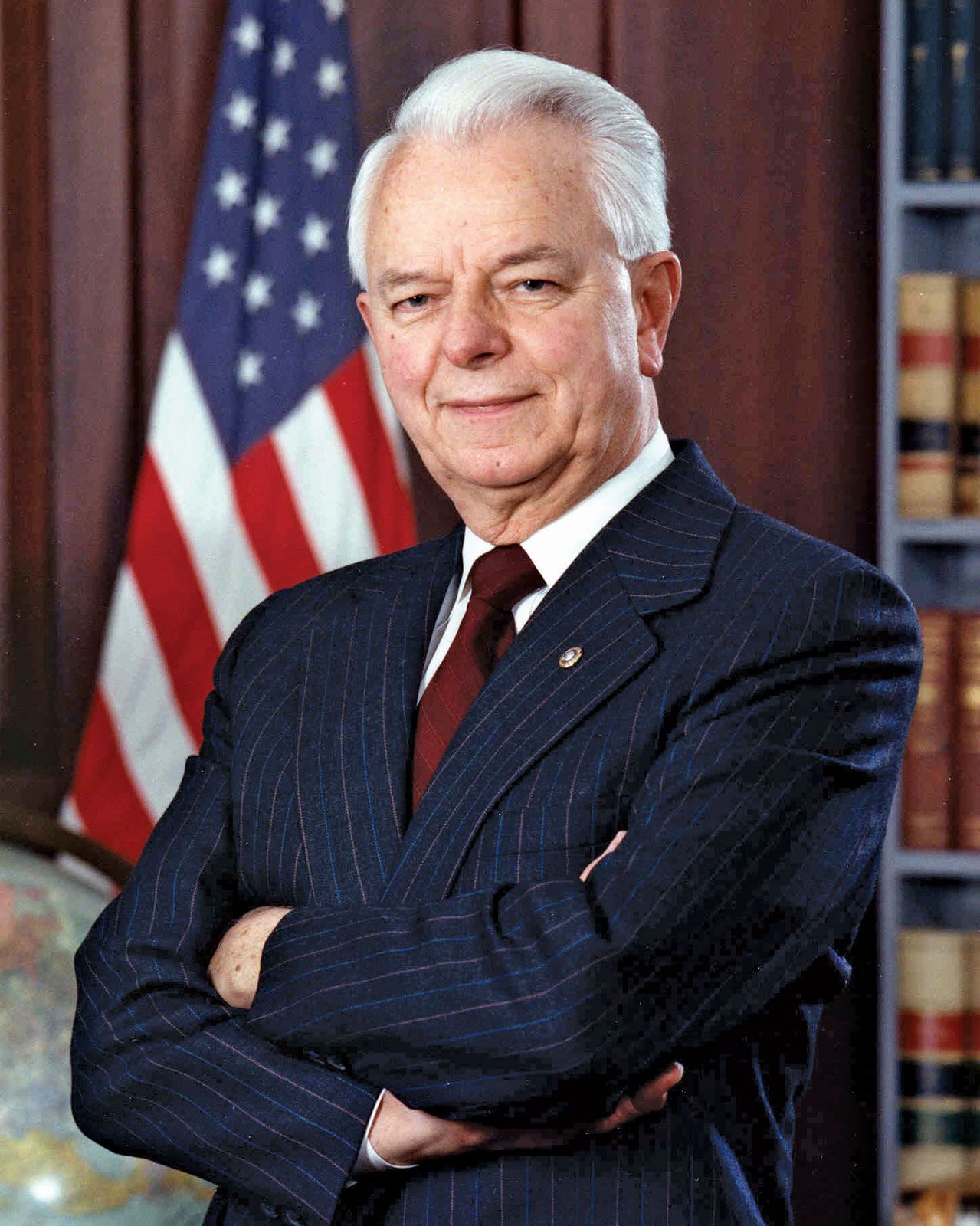
Robert Byrd grew up in impoverished coalfields, working as a welder during World War II before entering politics. Elected to the West Virginia House in 1946, he served two terms, then the state Senate, and three terms in the U.S. House starting in 1953.
In 1958, Byrd won a U.S. Senate seat, defeating the incumbent. Despite no formal degree at first, he attended night law classes and graduated cum laude in 1963, with President Kennedy presenting his diploma. This self-made path fueled his reputation as a dedicated public servant.
Byrd's early career highlighted his commitment to West Virginia, setting the stage for decades of influence in Congress.
Senate Leadership and Mastery
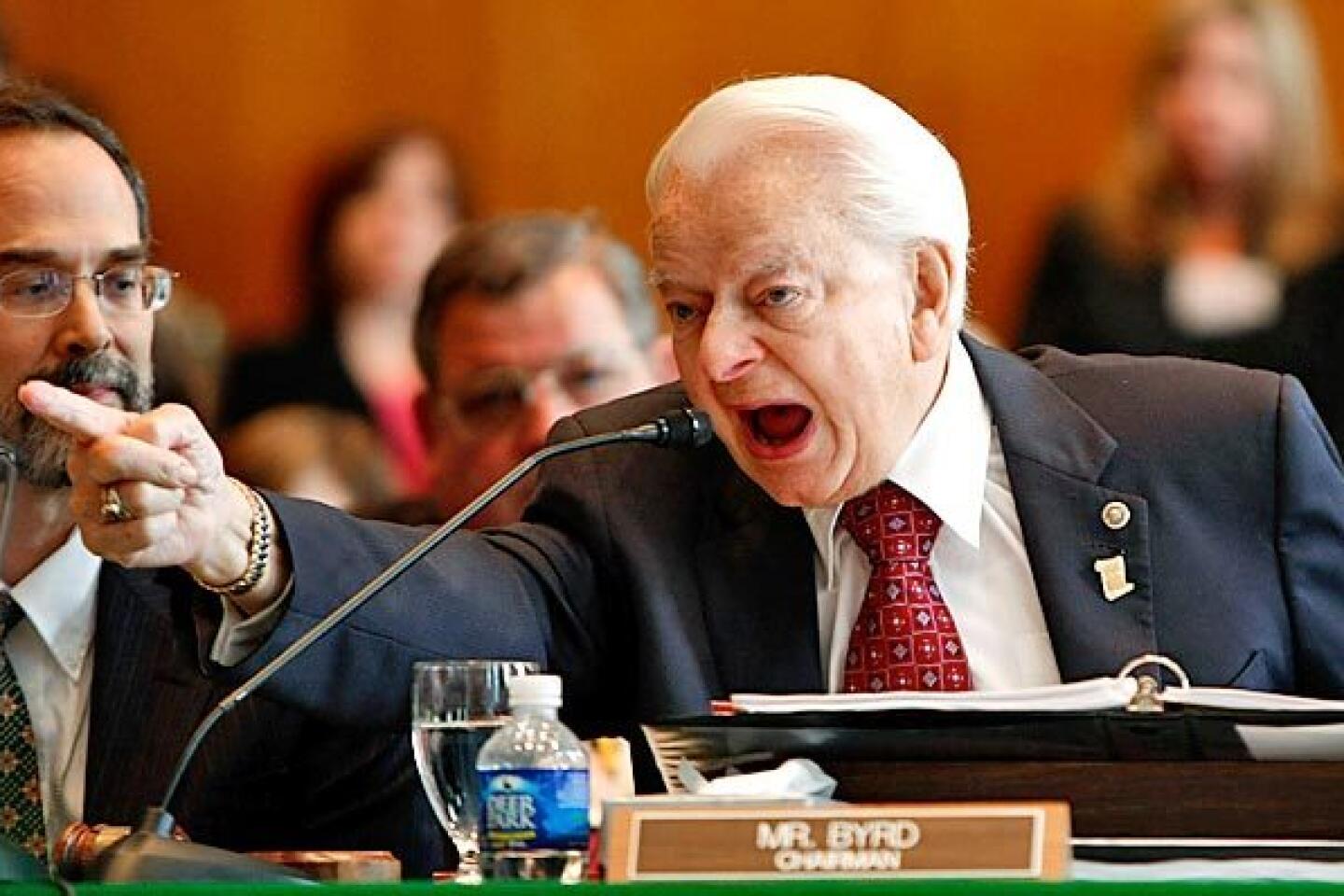
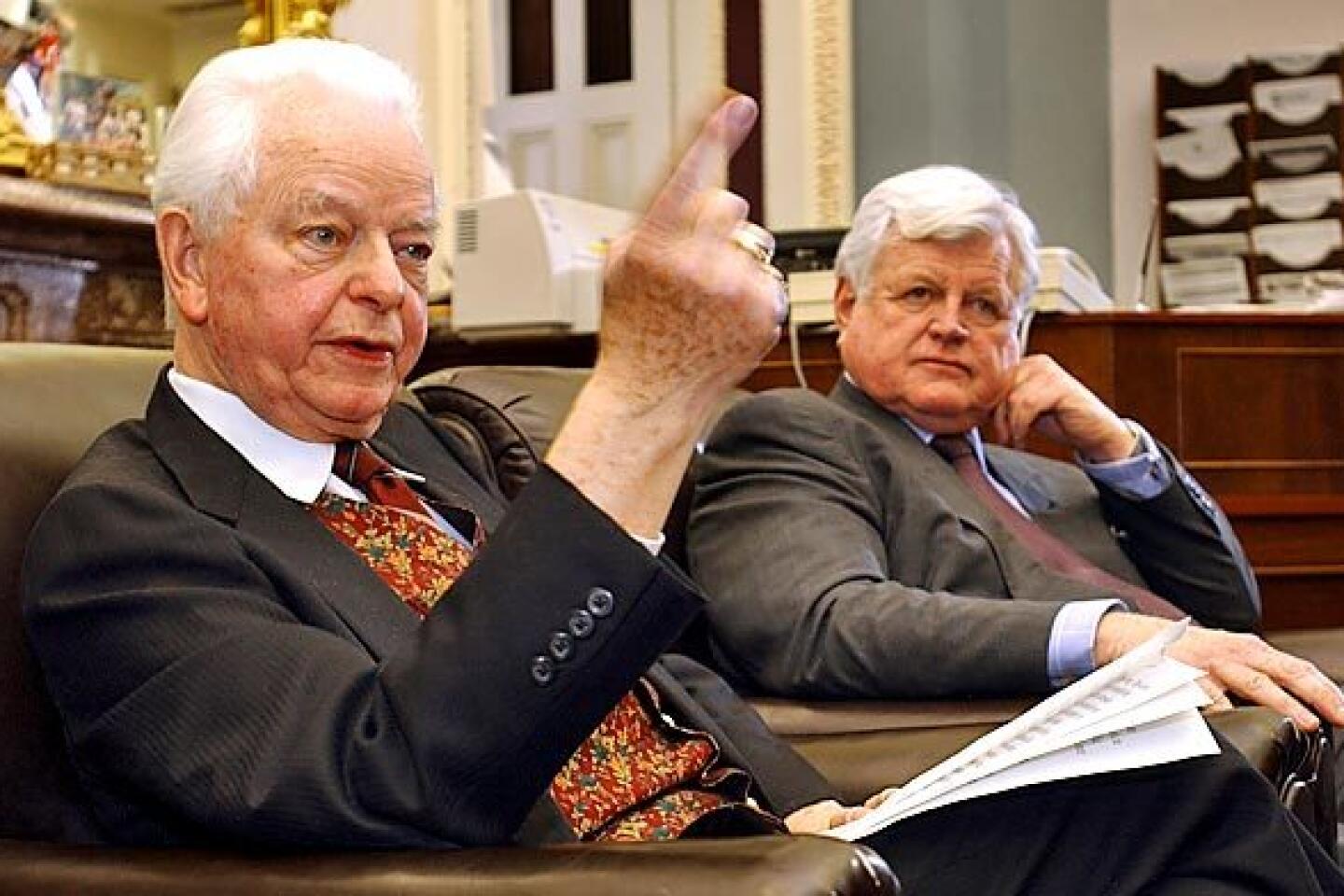
Byrd served as Senate Majority Leader (1977-1980, 1987-1988), Minority Leader (1981-1986), and President pro tempore multiple times. He outmaneuvered opponents with expertise in Senate rules, delivering over 100 historical addresses compiled for the Senate's bicentennial.
Appointed to the Appropriations Committee in 1960, Byrd chaired it several times, directing billions in federal aid to West Virginia for roads, schools, and hospitals. Critics called him the 'King of Pork,' but constituents named him 'West Virginian of the 20th Century' in 2001.
His leadership roles—more than any senator—cemented his status as the 'Soul of the Senate,' influencing procedures still used today.
Education Initiatives and Enduring Legacy
Passionate about education, Byrd launched the Scholastic Recognition Award in 1969, giving savings bonds to high school valedictorians. In 1985, he created the federal Byrd Scholarship, the nation's first merit-based program, aiding tens of thousands of students.
Byrd's efforts created jobs, improved healthcare, and built infrastructure in West Virginia. Institutions like the Robert C. Byrd Center preserve his story, while scholarships continue supporting education nationwide.
Dying at 92 in 2010, Byrd's impact persists in 2025 through ongoing programs, Senate traditions, and West Virginia's development, reminding us of one man's profound influence on American politics.