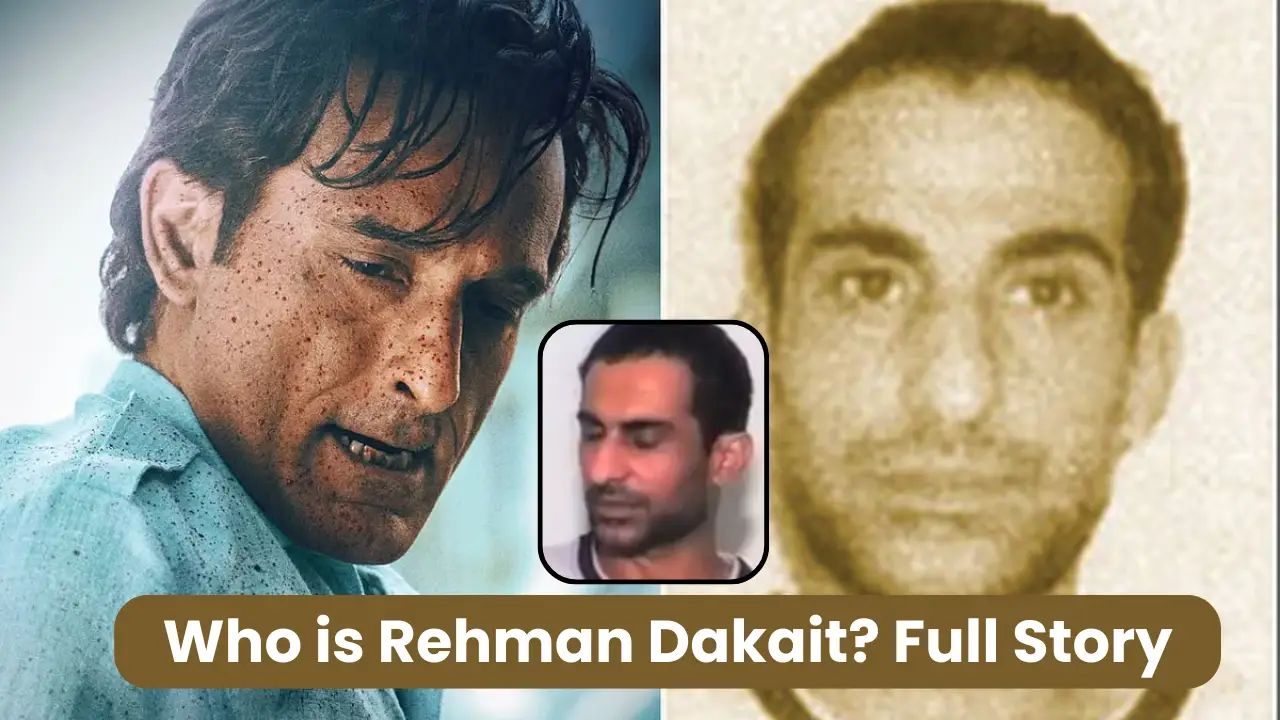
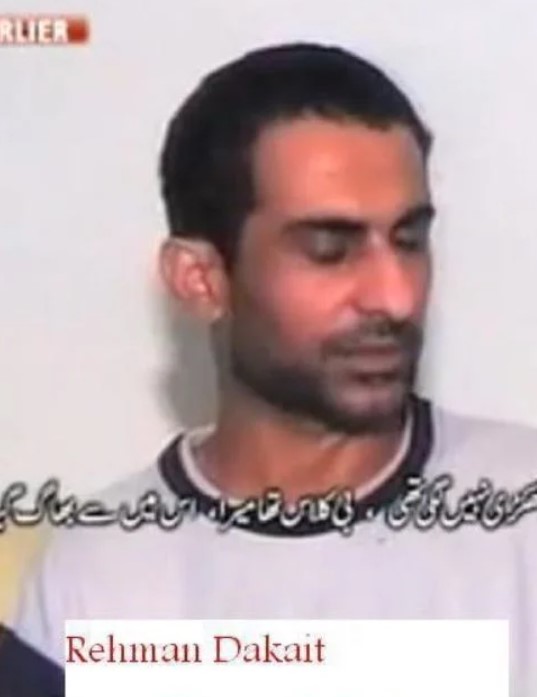
Who Was Rehman Dakait?
Rehman Dakait, born Sardar Abdul Rehman Baloch in 1975, was a notorious Pakistani gangster who operated out of Karachi’s Lyari neighbourhood and led one of the city’s most feared criminal syndicates until his death in a 2009 police encounter.[1][2] He built his power base on extortion, drug trafficking, kidnapping and illegal arms dealing, turning Lyari into a symbol of Karachi’s gang violence and state neglect.[1][2][3]
His story has recently regained international prominence because the Bollywood film Dhurandhar features a gangster character modeled on him, played by actor Akshaye Khanna.[2][3][4] As coverage in Indian and Pakistani media has highlighted, this cinematic revival has pushed audiences outside Pakistan to revisit the real history of Lyari’s gang wars and the political environment that enabled him.[2][3][5]
Rise and Rule in Lyari
Rehman grew up in a family tied to smuggling and is reported to have entered crime as a teenager, first through drug peddling and street violence in Lyari.[1][3][5] By the late 1990s he had joined the Haji Laloo gang, and after Laloo’s arrest in 2001 he took control, rapidly expanding his network across the area.[1][3][4] Throughout the 2000s, he became one of the principal actors in Lyari’s gang wars, locked in a bloody rivalry with Arshad Pappu while relying on lieutenants like Uzair Baloch and Baba Ladla.[2][3][4][5]
Multiple reports describe his methods as exceptionally brutal, including public displays of violence designed to terrorise residents and rival groups.[2][3][5] These tactics, together with endemic poverty and weak state presence, allowed him to rule large parts of Lyari by fear while positioning himself to locals as a provider of jobs and protection in a context of chronic unemployment and underdevelopment.[2][3]
Political Links and Legacy Today
As his influence grew, Rehman cultivated strong links with the Pakistan Peoples Party, historically dominant in Lyari, appearing in photographs with senior PPP leaders and reportedly benefiting from informal protection.[1][2][3] In 2008 he helped launch the People’s Aman Committee, which supporters framed as a peace and welfare body but which critics and security officials viewed as a political extension of his criminal organisation.[1][2][3] The committee’s activities deepened debate about how far mainstream politics in Karachi had become entangled with organised crime.
Rehman was killed in an alleged police encounter in August 2009, but questions over autopsy findings and eyewitness accounts have fueled claims that he was executed at close range.[1][2][3][5] His death did not end Lyari’s turmoil; instead, leadership passed to his cousin Uzair Baloch, and the area continued to experience waves of violence and heavy-handed security operations.[3][4][5] With the release of Dhurandhar and renewed media focus, his story now shapes global conversations on the cost of glamorising real gangsters, the structural failures that produce them, and the long shadow such figures cast over communities like Lyari long after they are gone.[2][3][5]