From Buenos Aires to the Papacy
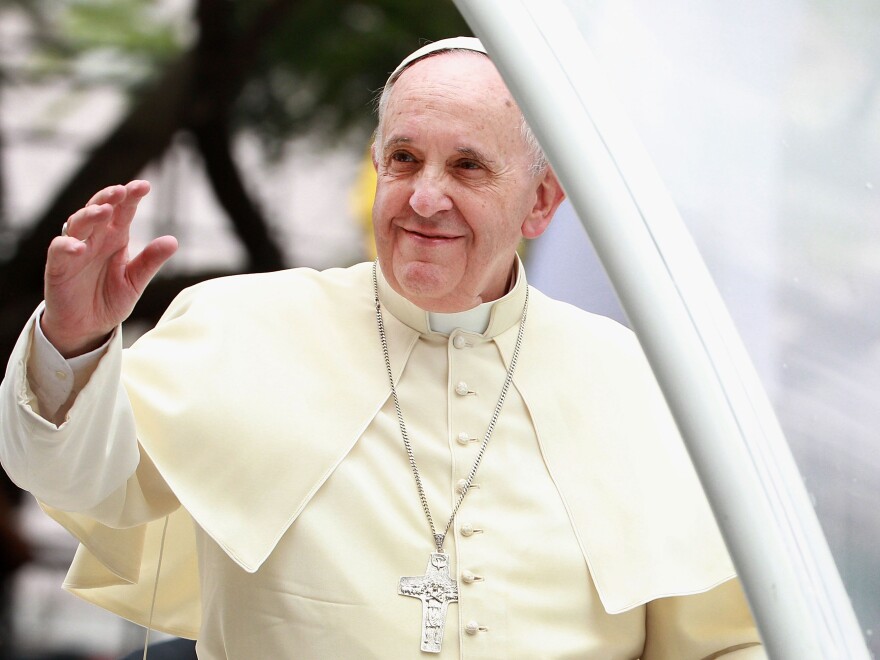
Born in Argentina, Jorge Bergoglio became a Jesuit priest and later Archbishop of Buenos Aires, known for his work with the poor. Elected pope in 2013 after Benedict XVI's resignation, he chose the name Francis to honor St. Francis of Assisi, signaling humility and care for creation.
His early actions—living simply at Casa Santa Marta, washing prisoners' feet, and direct language—set a tone of accessibility. This pastoral approach aimed to make the Church more missionary and less bureaucratic, addressing scandals in finances and abuse.
Reforms and Landmark Teachings
Francis issued 11 major documents, including the apostolic constitution Praedicate Evangelium reforming the Roman Curia for greater evangelization. The Jubilee of Mercy (2015-2016) featured 'Missionaries of Mercy' to promote forgiveness, echoing his first words as pope on trusting God's mercy.
Laudato Si’ confronted climate change as a moral crisis, calling for global solidarity. He canonized figures like Carlo Acutis, the first millennial saint, and pushed for debt relief in the Global South during the 2025 Jubilee, launched with a call to be 'pilgrims of hope'.
Global Impact and Church's Path Forward
Francis advocated for refugees, immigrants, and interfaith dialogue, praying with Muslim leaders and emphasizing shared humanity. His focus on joy for the Global South and issues like poverty resonated widely, though Pentecostalism grew in Latin America despite his roots there.
Post-death analyses praise his 'bridge' role but note divides: progressives celebrate inclusion, traditionalists seek doctrinal firmness. As cardinals eye a successor, Francis's legacy of prophetic justice, humility, and mercy will influence the Church's engagement with a secular world.