What New Orleans Is Today
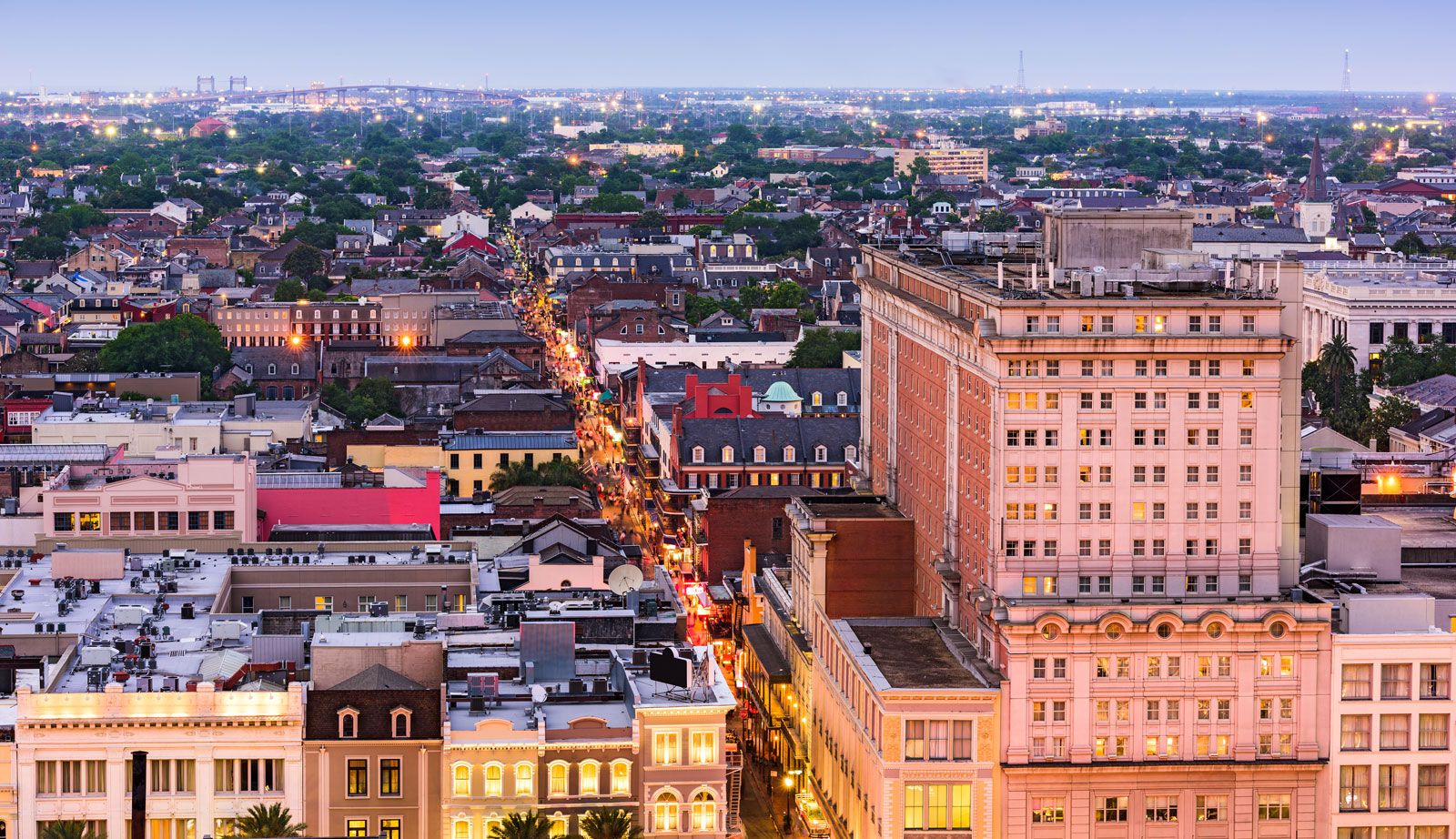
New Orleans is a major U.S. city in southeastern Louisiana, celebrated for its French Quarter, riverfront setting on the Mississippi, and deep connections to jazz, Creole cuisine, and multicultural history. Its distinct identity comes from centuries of French, Spanish, African, and Caribbean influences woven into architecture, food, language, and music.
In the 2020s the city is positioning itself as both a festive and educational destination, combining iconic nightlife with museums, historic parks, and curated tours that appeal to a broader audience. This evolution is helping New Orleans attract families, culture travelers, and food lovers alongside traditional festival‑goers.
Tourism is central to the local economy, and recent development emphasizes experiences that preserve heritage while supporting modern infrastructure and year‑round visitation. Investments in cultural attractions, public spaces, and neighborhood‑based tourism are reshaping how visitors interact with the city.
Must-See Areas and Cultural Highlights
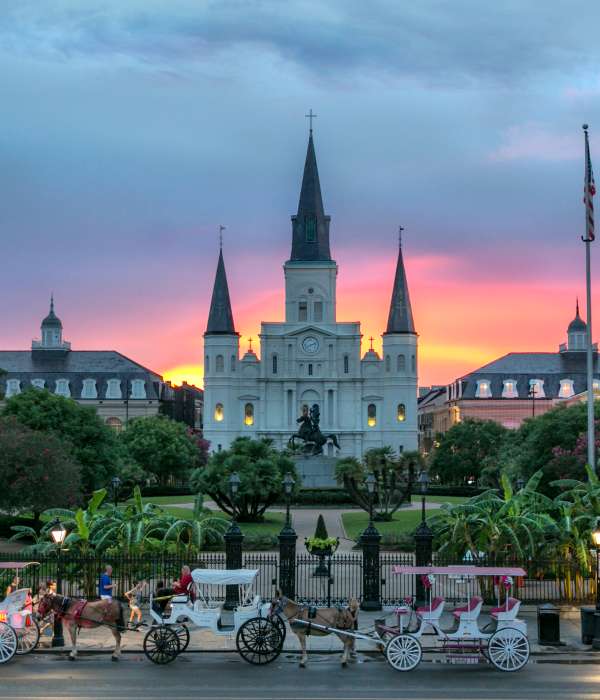
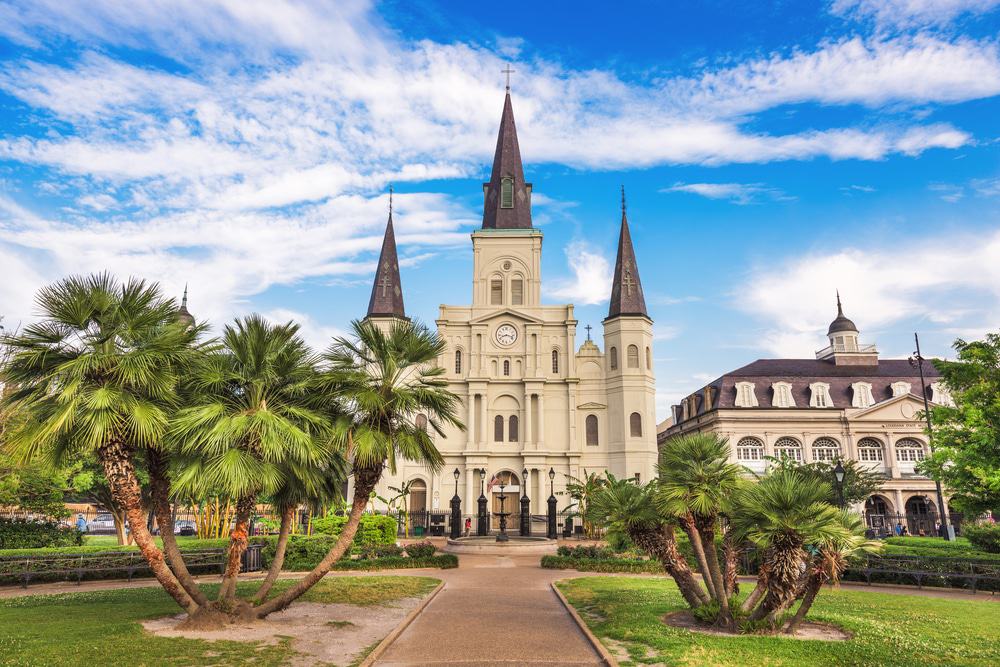
The French Quarter remains the most visited district, with Jackson Square, St. Louis Cathedral, and historic museums forming a compact core of architecture and street life. Visitors can alternate between lively performance areas and quieter side streets lined with galleries, shops, and traditional courtyards.[3]
Beyond the Quarter, places like the Garden District offer grand 19th‑century homes and tree‑lined avenues, while cemeteries, jazz parks, and sculpture gardens reveal more reflective sides of the city.[3][2] These areas are increasingly featured in itineraries as travelers look for balance between celebration and contemplation.
Major cultural institutions such as the National WWII Museum and the New Orleans Museum of Art draw visitors interested in history and the arts, reinforcing the city’s role as a serious cultural center as well as an entertainment hub.[6][3] Together with live music venues and festivals, they anchor a diverse cultural calendar.
New Experiences and the Future of Travel in New Orleans
Recent and updated attractions, including the Vue Orleans observation deck, present New Orleans through interactive exhibits and sweeping views, helping visitors understand the geography and stories of the city in a single experience.[9] Along the riverfront, enhanced public spaces and access to cruises and aquariums showcase the enduring importance of the Mississippi River.[1]
Culinary travel continues to grow, with classic spots for beignets and coffee now complemented by contemporary restaurants and guided food tours that explore neighborhoods, markets, and fusion menus.[3][2] This supports local chefs and producers while giving travelers a deeper taste of regional ingredients and traditions.
Tourism authorities are promoting a full year of reasons to visit, from Mardi Gras and jazz festivals to cultural, theatrical, and food‑focused events that keep the city vibrant in every season.[7][8] By diversifying experiences and highlighting under‑visited areas, New Orleans aims to sustain its unique character while welcoming new generations of visitors.