What Is a Meteor Shower and Why the Geminids Stand Out
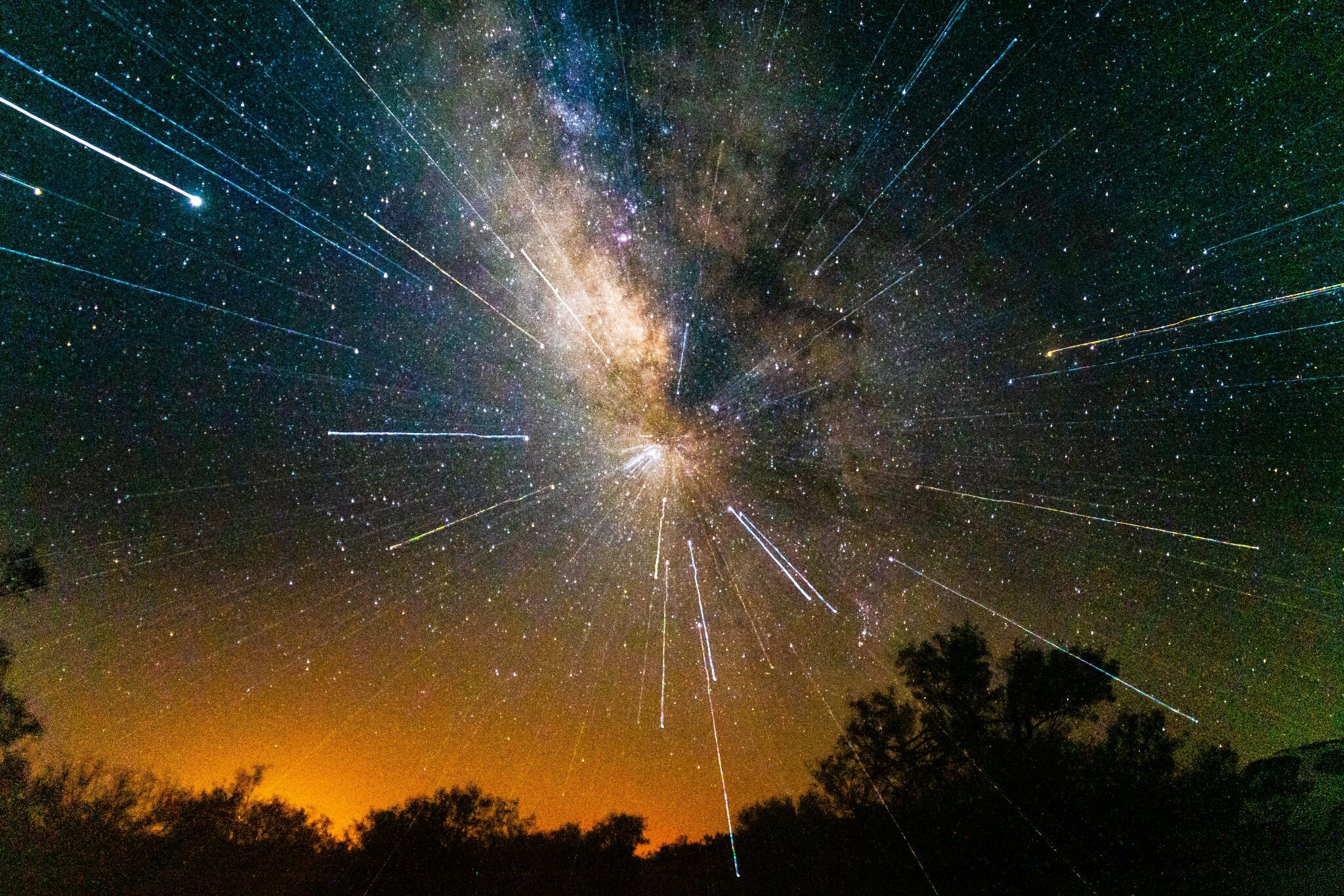
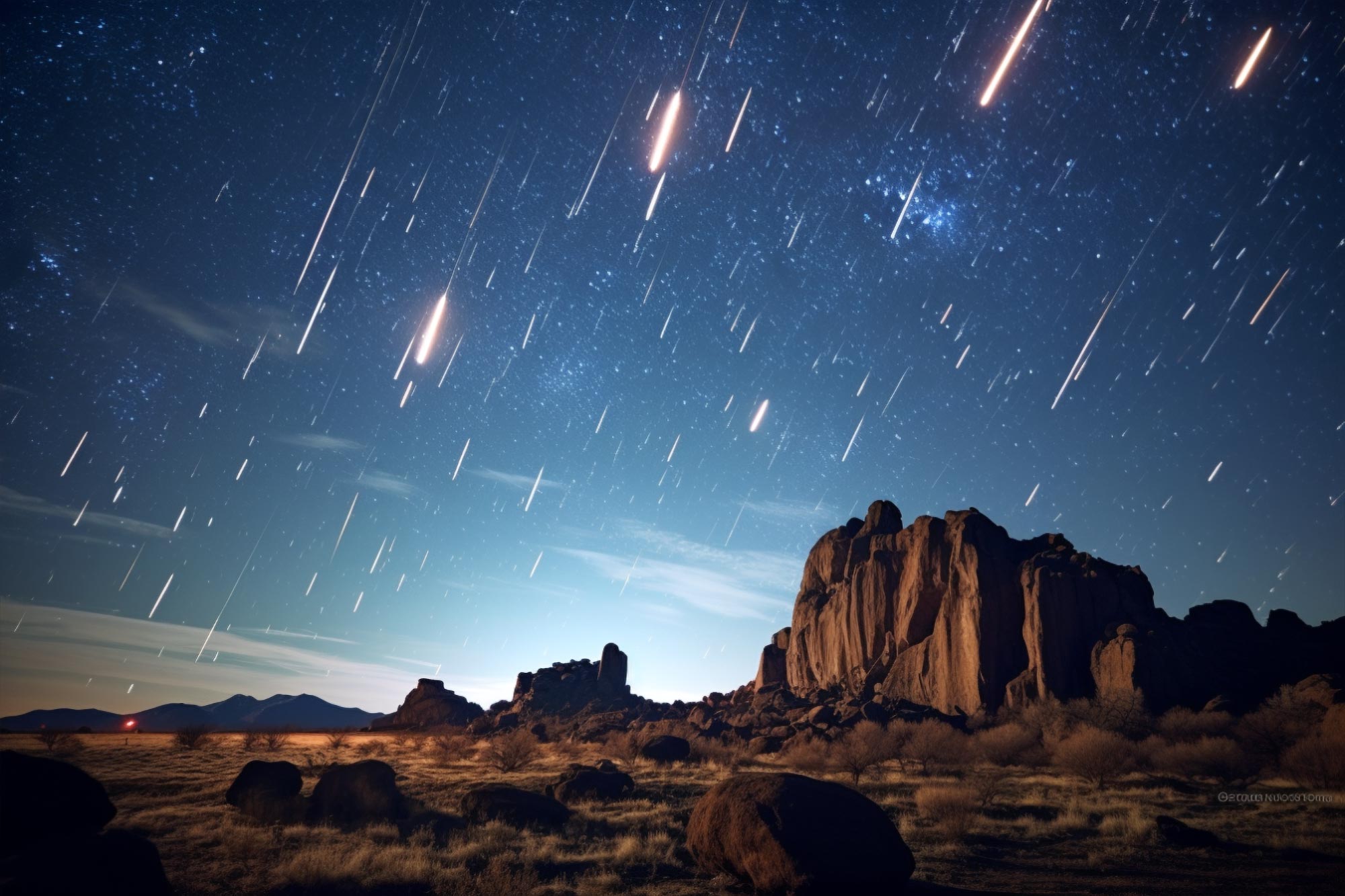
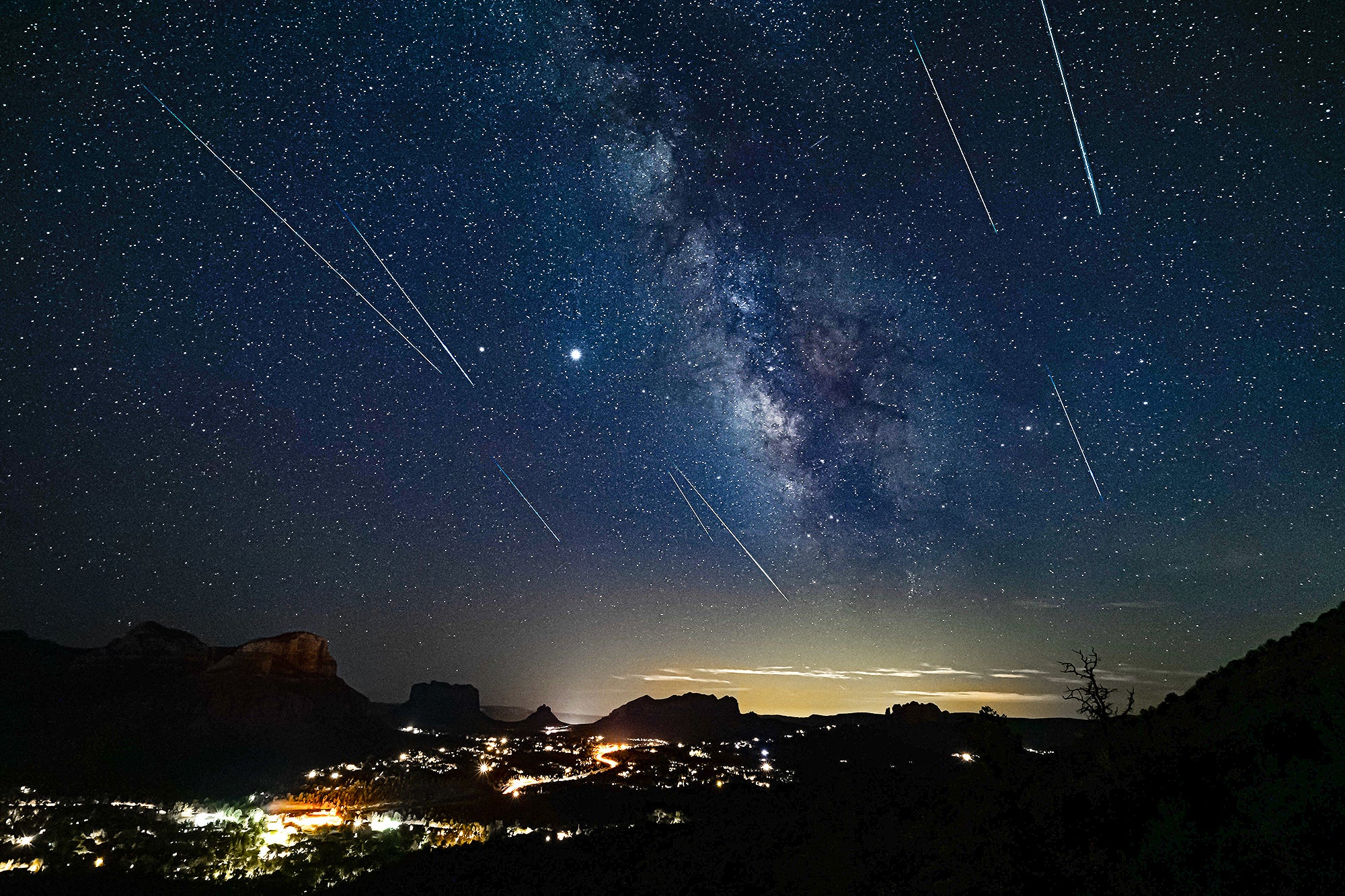
A meteor shower happens when Earth passes through a stream of debris left behind by a comet or asteroid, causing tiny particles to burn up in the atmosphere and create bright streaks of light called meteors. The Geminid meteor shower is one of the strongest and most dependable of these annual events, frequently producing more meteors than the better‑known Perseids.[1][2][3][4]
In 2025, the Geminids are again the standout shower of the year, with activity in early to mid‑December and a peak that can deliver around 120 meteors per hour under dark, clear skies.[1][2][3][4] This combination of high activity and reliability makes the Geminids a prime target for both casual observers and experienced skywatchers.
Timing and Visibility of the 2025 Geminid Meteor Shower
Major observatories and meteor organizations report that the Geminid meteor shower is active in December and peaks on the night between December 13 and 14 in 2025, when meteor rates are highest.[1][2][3][4] During this period, the theoretical peak rate can reach about 120–150 meteors per hour, though the number visible depends heavily on sky darkness, weather, and the observer’s location.[1][3][4]
Viewing conditions in 2025 are relatively favorable because the Moon is a waning crescent around the peak, so its light washes out fewer faint meteors than a brighter phase would.[1][3][4] The shower is best seen from the Northern Hemisphere, where the radiant in the constellation Gemini climbs high in the sky, but observers in many southern locations can still enjoy a solid display, especially after midnight when the radiant is higher.[1][2][3]
How to Watch the Geminids and Why They Matter
To get the best view of the Geminid meteor shower, observers are advised to seek out dark, open skies away from city lights and to allow their eyes at least 20–30 minutes to adapt to the darkness.[1][3] No optical equipment is required; a wide, unobstructed view of the sky, warm clothing, and patience are the most important tools for enjoying the show.[1][3] Lying back in a chair and watching for at least an hour increases the odds of seeing multiple bright meteors.
Scientifically, the Geminids are notable because they originate from the asteroid 3200 Phaethon rather than a typical icy comet, making them an unusual example of a rocky body producing a dense stream of debris.[3][4] For the public, the 2025 Geminid meteor shower provides an accessible, global opportunity to witness the dynamic behavior of our Solar System, inspiring interest in astronomy and offering a shared experience of looking up at a sky filled with natural fireworks.[1][3][4]