
Early Life, Attack and Global Rise
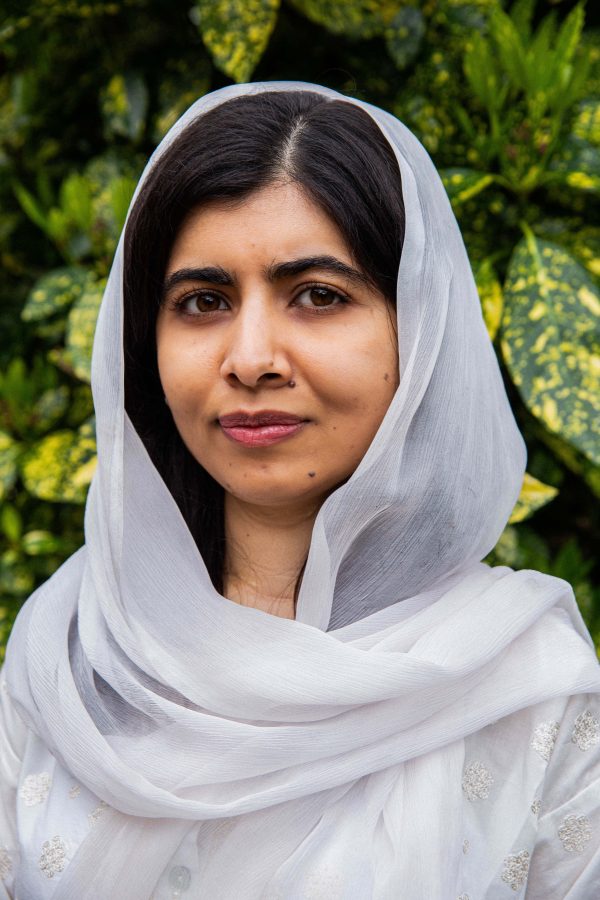
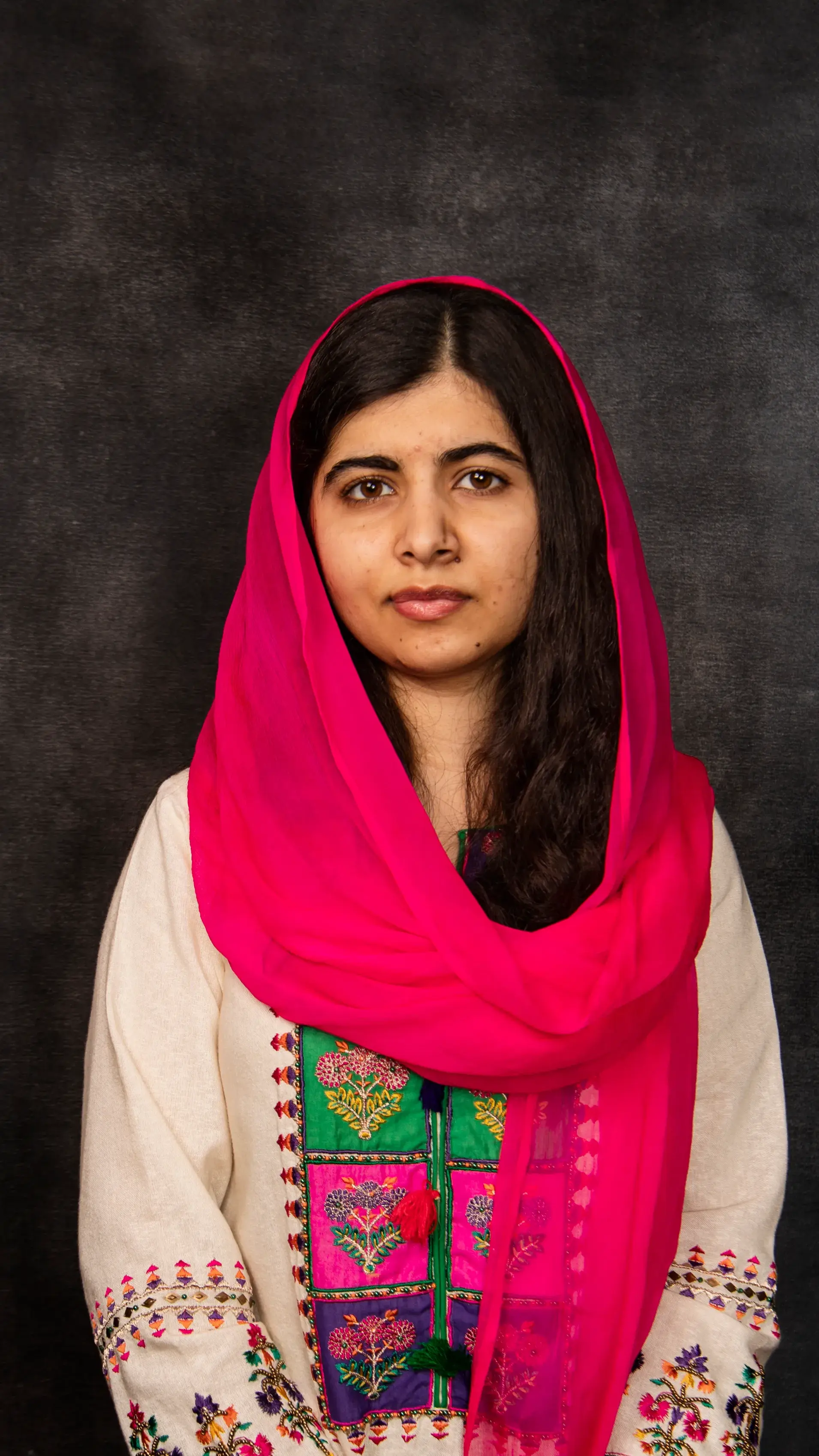
Malala Yousafzai was born in Pakistan’s Swat Valley in 1997, where her father ran schools and encouraged her belief that girls should have the same right to education as boys, even as Taliban militants tried to shut down girls’ schools. As a young teenager, she began speaking publicly and blogging about life under Taliban rule and the importance of education, drawing attention to the daily risks girls faced simply by going to class.
On 9 October 2012, a Taliban gunman shot Malala in the head and neck on her school bus because of her activism; she survived after intensive treatment in Pakistan and the United Kingdom and quickly became a global symbol of resistance to extremism and a voice for children’s rights. Instead of withdrawing from public life, she addressed the United Nations, co-wrote her first memoir I Am Malala and helped build an international movement demanding that world leaders protect and fund girls’ education.
In 2014, Malala was awarded the Nobel Peace Prize for her struggle against the suppression of children and young people and for the right of all children to education, becoming the youngest Nobel laureate in history and cementing her status as a leading global advocate for girls.
Malala Fund and Education in a Changing Climate
Malala co-founded Malala Fund to support local educators and activists in countries where girls are most likely to be out of school, focusing on expanding access to 12 years of free, safe, quality education.[2] The organisation backs grassroots partners, works on policy reform and amplifies girls’ voices so that those closest to the problem help shape the solutions.[2]
In Pakistan alone, Malala Fund has invested more than $14 million to improve school infrastructure, reduce costs for families and keep girls—especially in rural and marginalised communities—in classrooms.[2] After devastating floods, the fund provided $330,000 in emergency grants and later announced an additional $75,000 to support education recovery and prevent girls from dropping out permanently.[2]
Malala increasingly frames girls’ education as a climate justice issue, arguing that floods, droughts and displacement disproportionately disrupt girls’ schooling and that climate, economic and infrastructure policies must explicitly improve outcomes for girls.[2] She urges governments to treat education as central to climate adaptation, from rebuilding safe schools to investing in transport and social protection that enable girls to continue learning during crises.[2]
New Memoir, Mental Health and Future Impact
In 2025, Malala published Finding My Way, a memoir that explores her journey from trauma to hope and her efforts to define herself beyond the role of global icon.[3][4] The book offers candid reflections on living with PTSD, managing public expectations and navigating relationships and marriage while processing the long-term impact of violence and fame.[3][4]
Malala uses the memoir to normalise conversations about mental health, encouraging readers to seek help, embrace vulnerability and understand that healing is an ongoing process rather than a simple recovery arc.[3] Her honesty about anxiety, loneliness and doubt broadens the public image of activists, showing that courage can coexist with fragility.[3][4]
She also connects her personal story to contemporary conflicts in regions such as Afghanistan, Palestine and Sudan, urging young people not to let injustice silence them and to see activism as a collective, sustainable endeavour.[3] Beyond the page, Malala continues to condemn Taliban restrictions that effectively make “girlhood illegal” in Afghanistan and calls on Muslim and global leaders not to legitimise regimes that exclude girls from education and public life.[1] Her evolving work in advocacy, philanthropy and storytelling keeps girls’ rights central to global debates about conflict, climate and the future of democracy.