
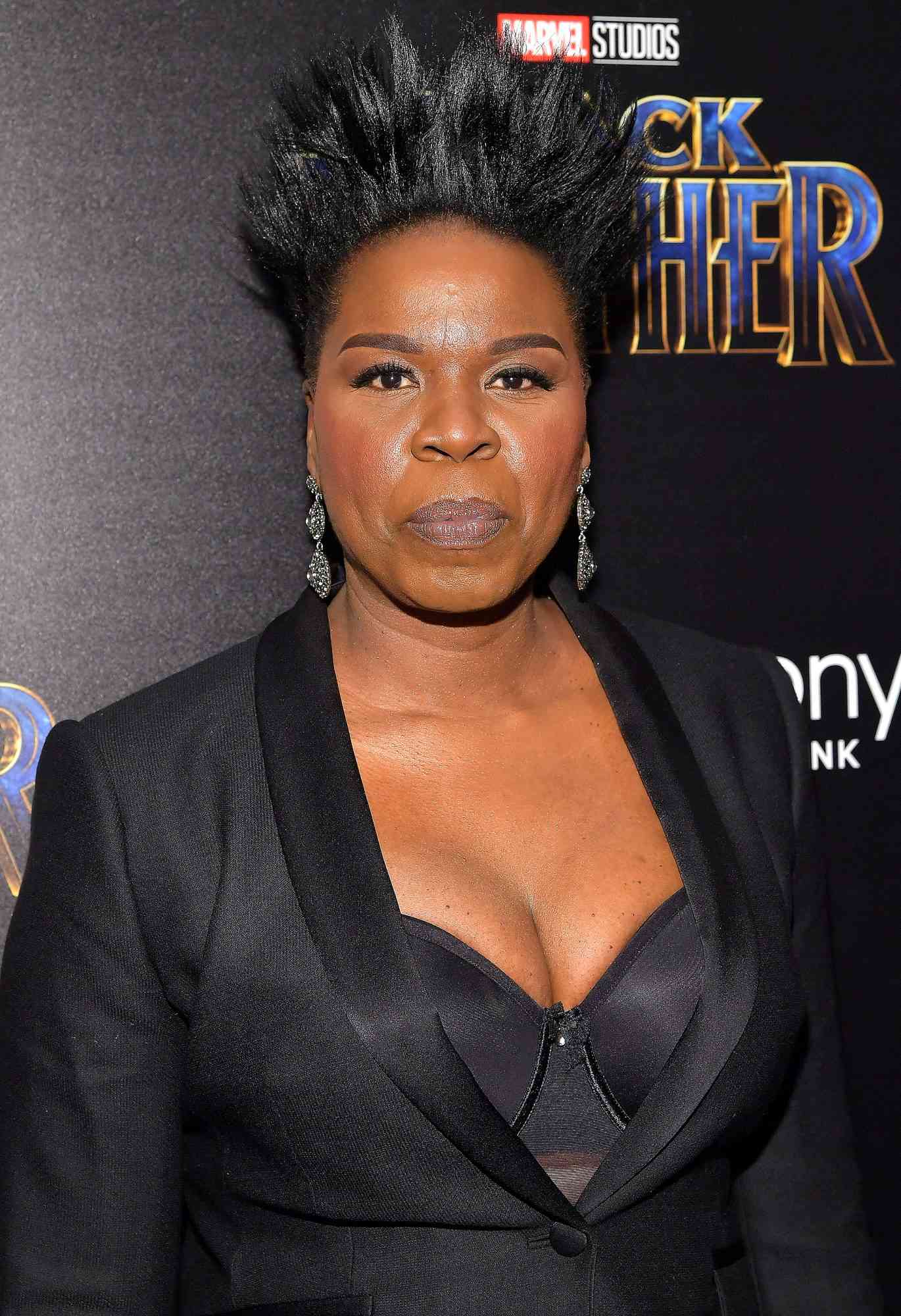
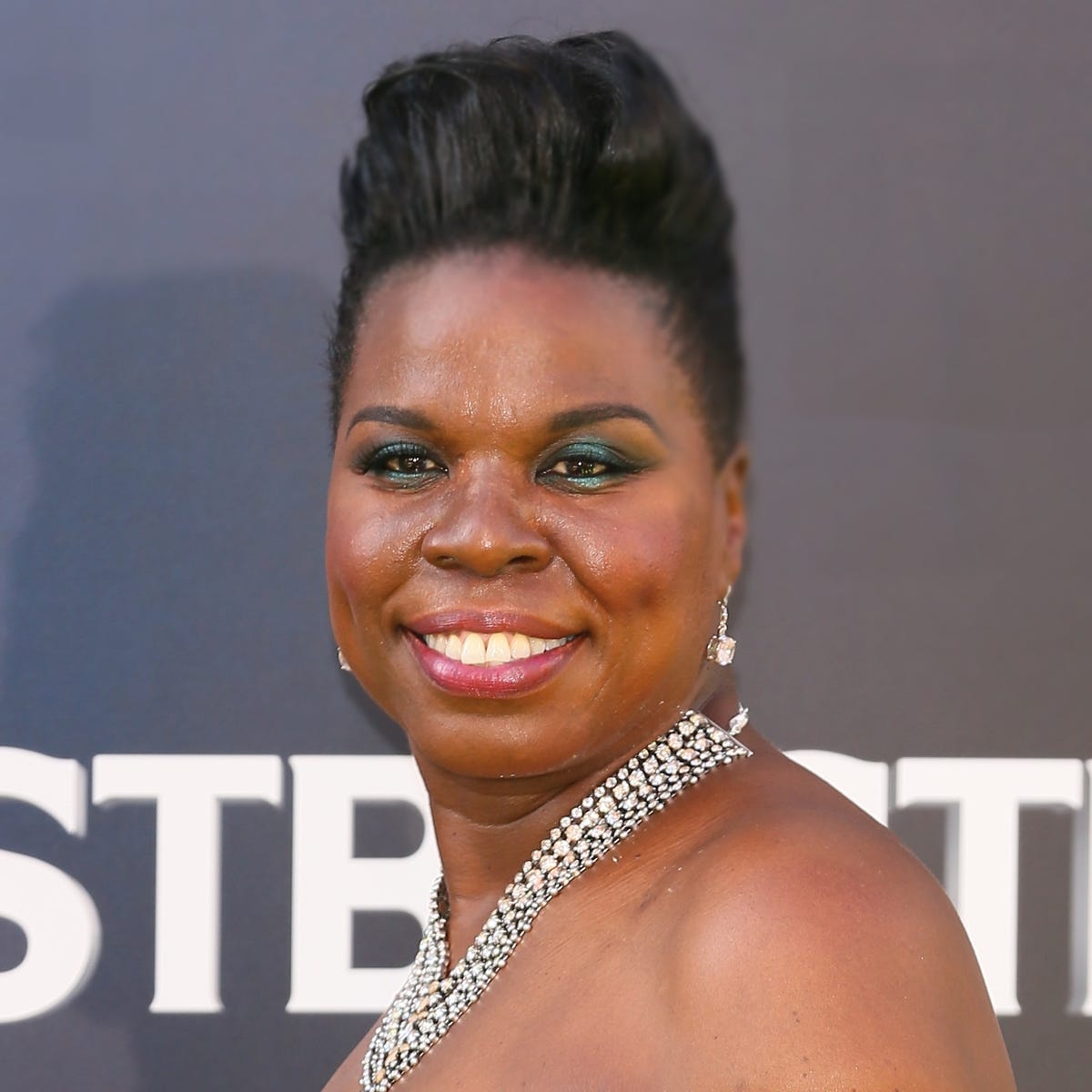
Who Is Leslie Jones?
Leslie Jones is an American stand-up comedian and actress best known for her tenure on Saturday Night Live from 2014 to 2019, where she served as both a writer and cast member.[5][6] Her bold, physical comedy and direct engagement with audiences and hot-button topics quickly made her one of the show’s most distinctive performers.[5][6]
Born in Memphis, Tennessee, in 1967 and raised in part in Southern California, Jones began doing stand-up after winning a college comedy contest and spent decades working clubs, festivals, and small TV roles before breaking into mainstream fame.[2][5][6] Her path from the Black comedy circuit to Emmy-nominated national visibility now underpins much of her recent storytelling and public persona.[5][6]
Career Highlights and Breakthroughs
Jones’s breakthrough came with Saturday Night Live, where she started as a writer and soon appeared on air in Weekend Update segments that addressed race, beauty standards, and politics with unflinching humor.[5][6] Her work on SNL earned her multiple Primetime Emmy nominations for Outstanding Supporting Actress in a Comedy Series, reflecting her importance to the ensemble.[5][6]
Beyond SNL, she gained prominence with film roles in projects such as the 2016 Ghostbusters reboot, Top Five, Trainwreck, Masterminds, Sing, The Angry Birds Movie 2, and Coming 2 America, often playing characters that showcase her physical comedy and fearless delivery.[4][5][6] Her stand-up credentials include the Showtime special Problem Child and the Netflix special Time Machine, which expand on her personal history and social commentary.[5][6]
Recent Work and Cultural Impact
In recent years, Jones has expanded into hosting and commentary roles, including leading the revival of the game show Supermarket Sweep and guest hosting The Daily Show after Trevor Noah’s exit.[5][6] These projects highlight how her comedic style adapts to formats that mix humor with real-time reactions to culture and news.[6]
Jones has also become a prominent voice on the realities of working in Hollywood as a Black woman, discussing online abuse, typecasting, and the long grind before success in interviews and her memoir.[5][6] By speaking openly about these experiences while continuing to headline specials and screen projects, she has helped reshape expectations for women in comedy and inspired a generation of performers to embrace authenticity and persistence.[6]