What Is “Laredo Solti”?
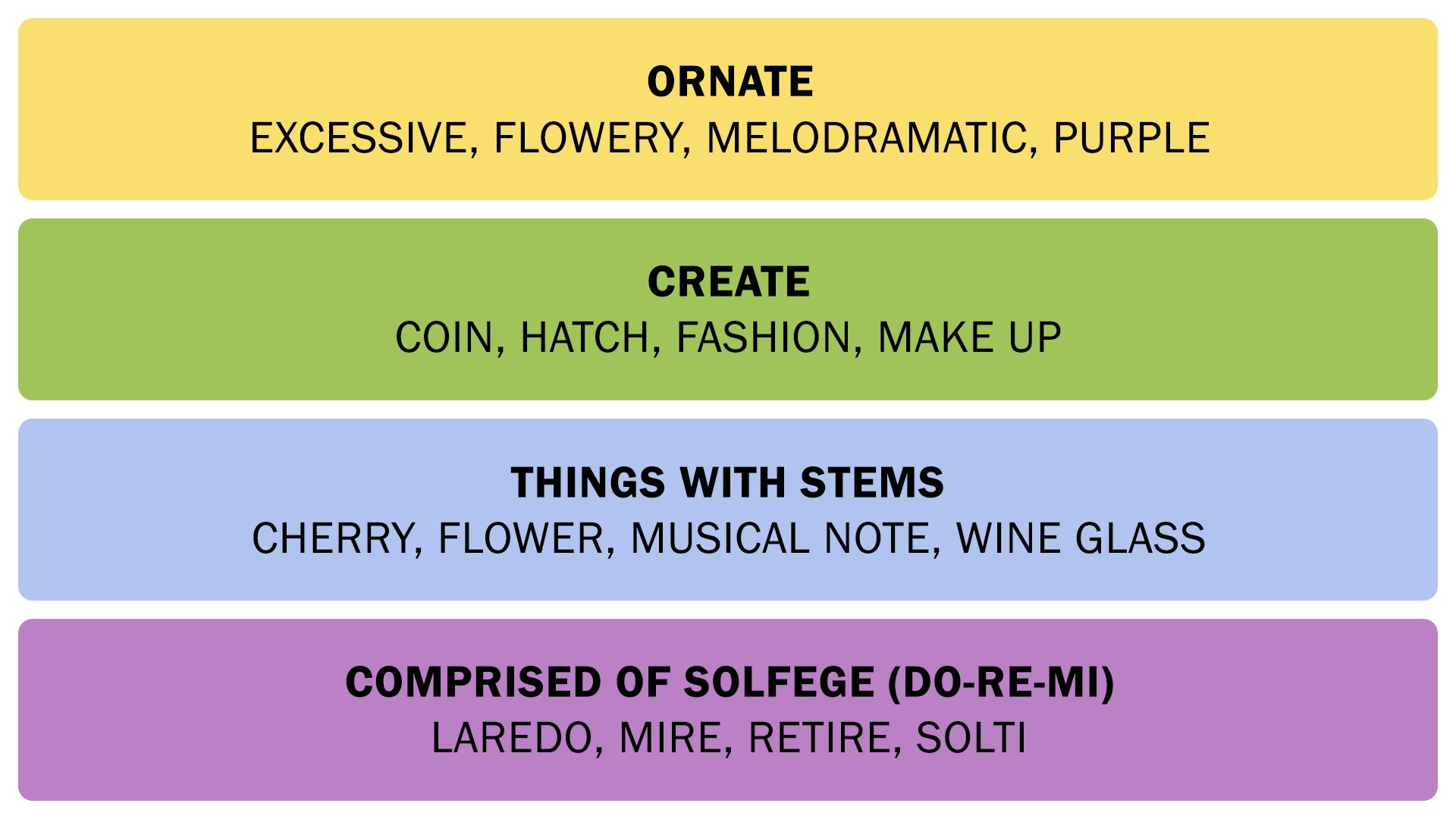
“Laredo solti” is an informal term puzzle fans are using to describe a specific word group from today’s NYT Connections game, where the words “Laredo” and “Solti” appear together in the same hidden category.
Rather than being a single proper noun, it represents a clever construction in which each word in the group hides syllables from the do–re–mi solfège scale, making it one of the puzzle’s most unusual and memorable themes.
How the Puzzle Category Works
In today’s Connections puzzle, the purple (hardest) group consists of Laredo, Mire, Retire, and Solti, explained by solution guides as “comprised of solfege (do-re-mi).” That means every word in the set contains one or more of the familiar scale syllables when you listen closely.
Laredo can be broken into la–re–do, while Solti contains sol–ti, so the two together neatly showcase the underlying idea of embedding solfège sounds in everyday-looking words—a twist that has drawn special attention from both music and word‑game enthusiasts.
Cultural Meanings of Laredo and Solti
Outside the game, Laredo is best known as a significant city on the U.S.–Mexico border in Texas, often mentioned in discussions of trade, transportation, and border culture; this familiar place name helps disguise the hidden musical pattern at first glance.
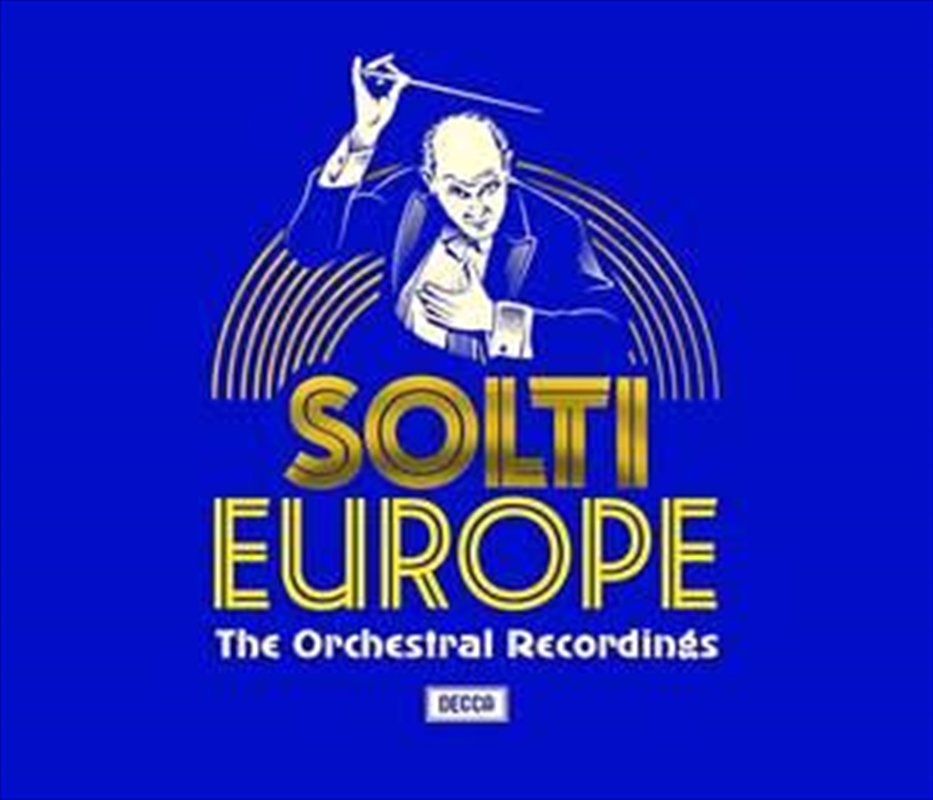
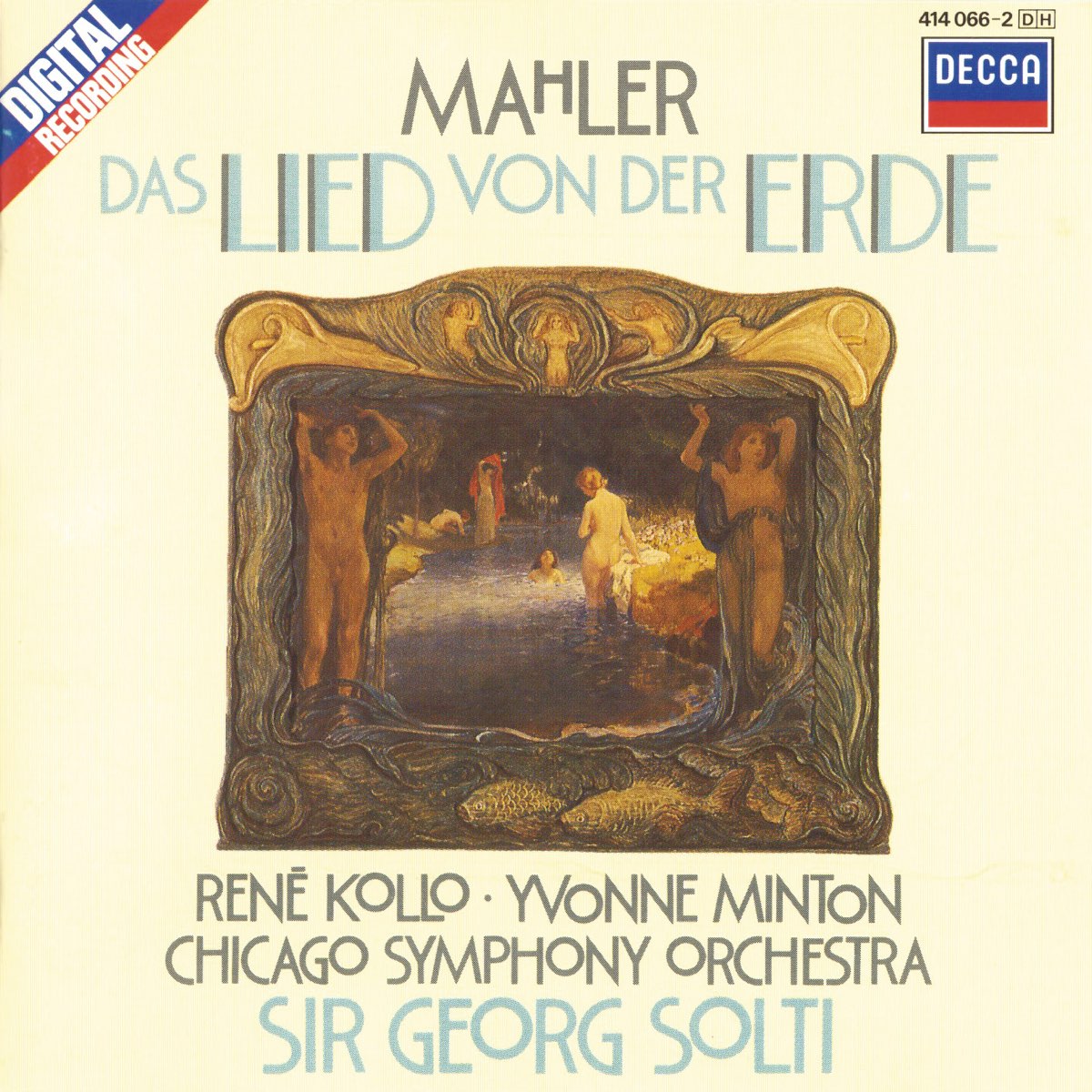
Solti, on the other hand, is a Hungarian surname most famously associated with conductor Sir Georg Solti, a towering figure in 20th‑century classical music, which makes the word feel like niche trivia even though the puzzle is mainly using it for its sol–ti sound sequence.
Why “Laredo Solti” Is Trending Today
Today’s Connections recap articles and hint pages call out this solfège-based purple group as the standout challenge, prompting players to share their “aha” moment once they realized the category was built on do–re–mi syllables rather than meaning.
As people discuss how they cracked—or missed—the pattern, the juxtaposition of a Texas city and a conductor’s surname packaged as “laredo solti” has turned into a short, catchy way to reference one of the day’s most inventive puzzle twists.