Discovery and Path Through Our Solar System
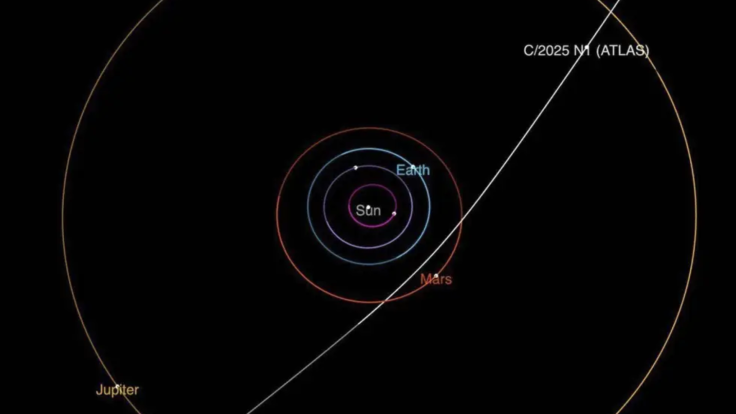
The ATLAS survey in Rio Hurtado, Chile, first spotted 3I/ATLAS on July 1, 2025, with pre-discovery data dating back to June 14 from global telescopes. Its hyperbolic orbit, moving too fast to be bound by the Sun, confirms interstellar origins from the Sagittarius direction toward the Milky Way's center.
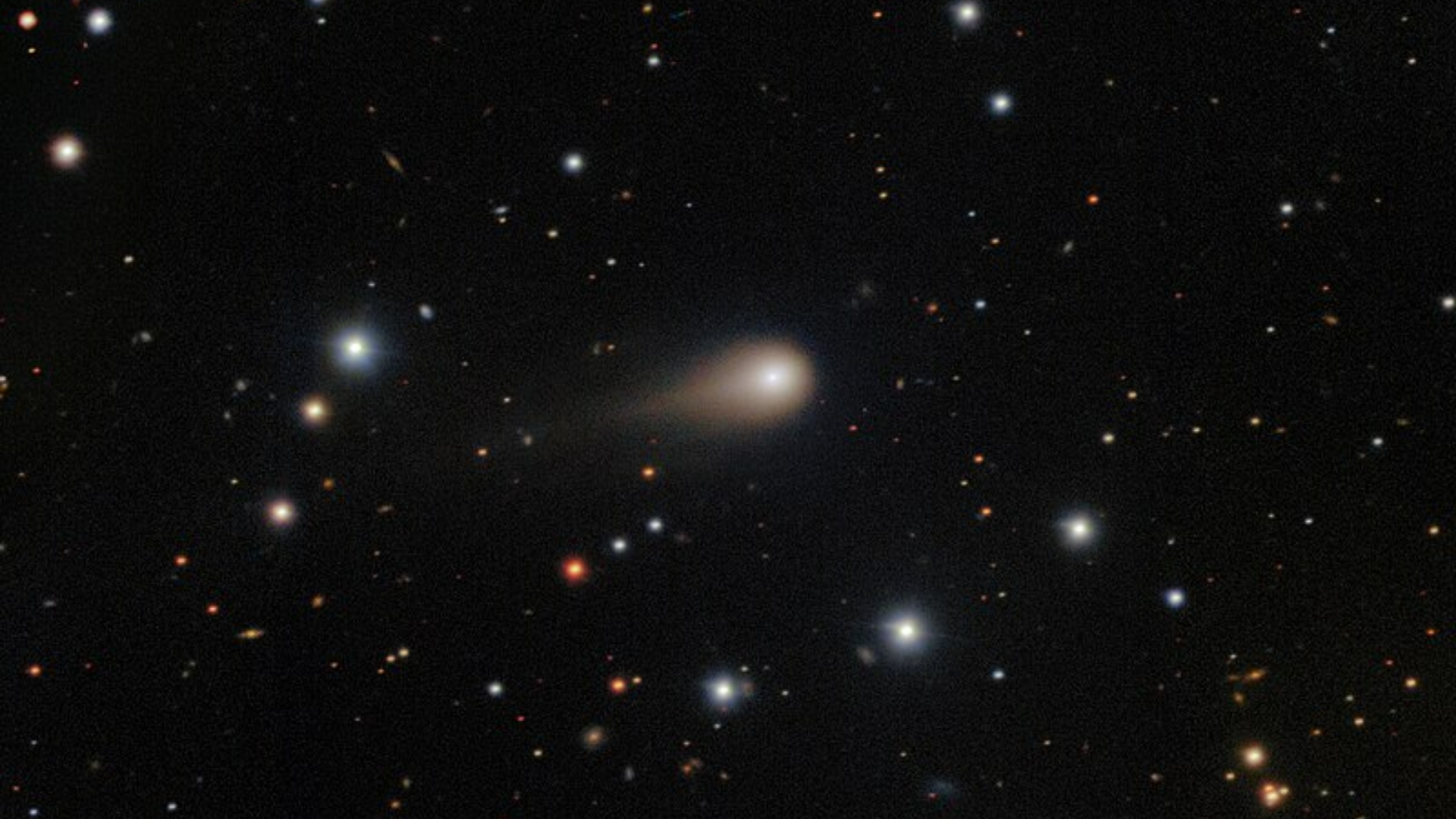
Peaking at perihelion around October 30, 2025, the comet unleashed gas jets from solar heating, creating an expansive coma. It now exits our system, visible to ground telescopes through winter, offering a fleeting window into exoplanetary formation.
No threat to Earth exists; its stable trajectory ensures a minimum distance of 170 million miles on December 19, 2025, ideal for detailed study.
Breakthrough Observations in December 2025
Gemini North's November 26 images via the GMOS spectrograph captured 3I/ATLAS' greenish hue post-Sun conjunction, highlighting changes in its coma after perihelion. Hubble and Juice probe photos reveal its active nucleus and dust tail.
ESA's XMM-Newton observed it for 20 hours on December 3, detecting X-ray emissions from its 282-285 million km distance. This complements JWST data showing elevated carbon dioxide, suggesting formation far from its home star.
These findings expose unique traits: abundant CO2, ionized nickel, and water ice with high metals, marking it as a pristine trans-Neptunian-like object.
Scientific Impact and How to Spot It
3I/ATLAS sheds light on interstellar medium travel and ejected planetesimals, mirroring our solar system's early ejections of ~30 Earth masses. Its composition differs from Oumuamua and Borisov, enriching exoplanet models.
As the largest known interstellar object, it aids in probing alien chemistry without sample return. Observations confirm it's natural, debunking artificial claims.
Visible in winter skies from dark sites like Egypt's Black Desert, use binoculars or telescopes around Sagittarius. Peak visibility aligns with its Earth approach on December 19.