Who Is Gypsy Rose Blanchard?
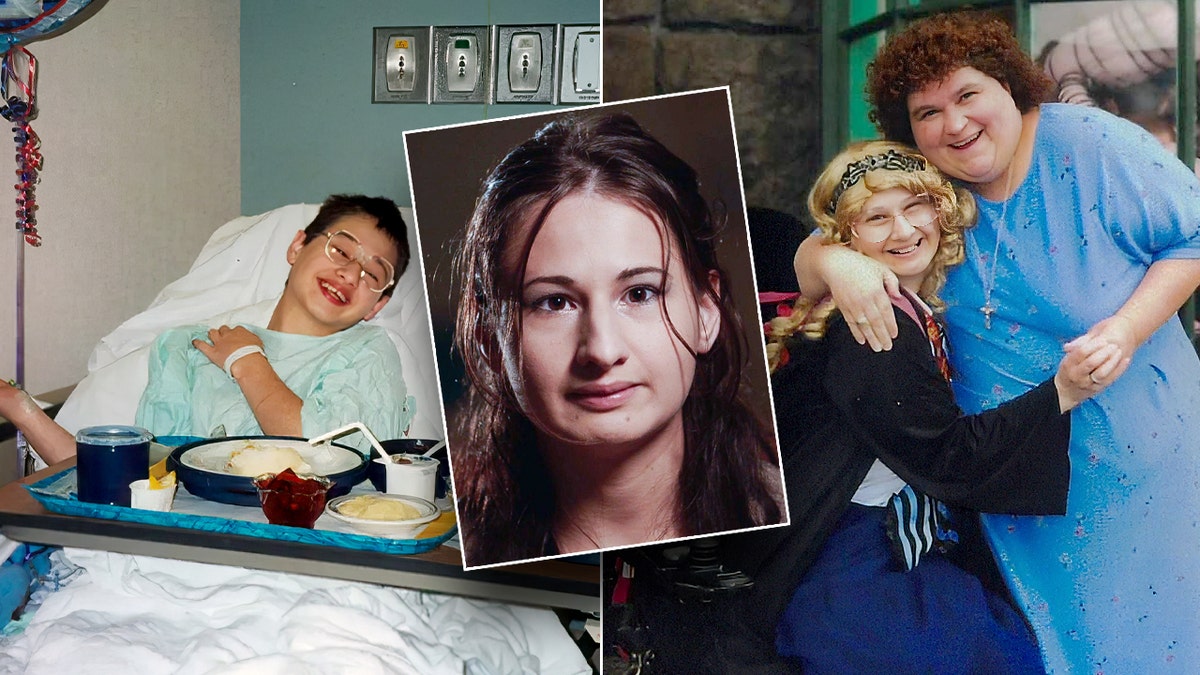
Gypsy Rose Blanchard is an American woman whose childhood was dominated by fabricated illnesses and extreme medical abuse at the hands of her mother, Clauddine “Dee Dee” Blanchard.[1][4] For years, Dee Dee claimed her daughter had leukemia, muscular dystrophy, and developmental disabilities, keeping her in a wheelchair and on feeding tubes despite the absence of genuine underlying disease.[1][2][4]
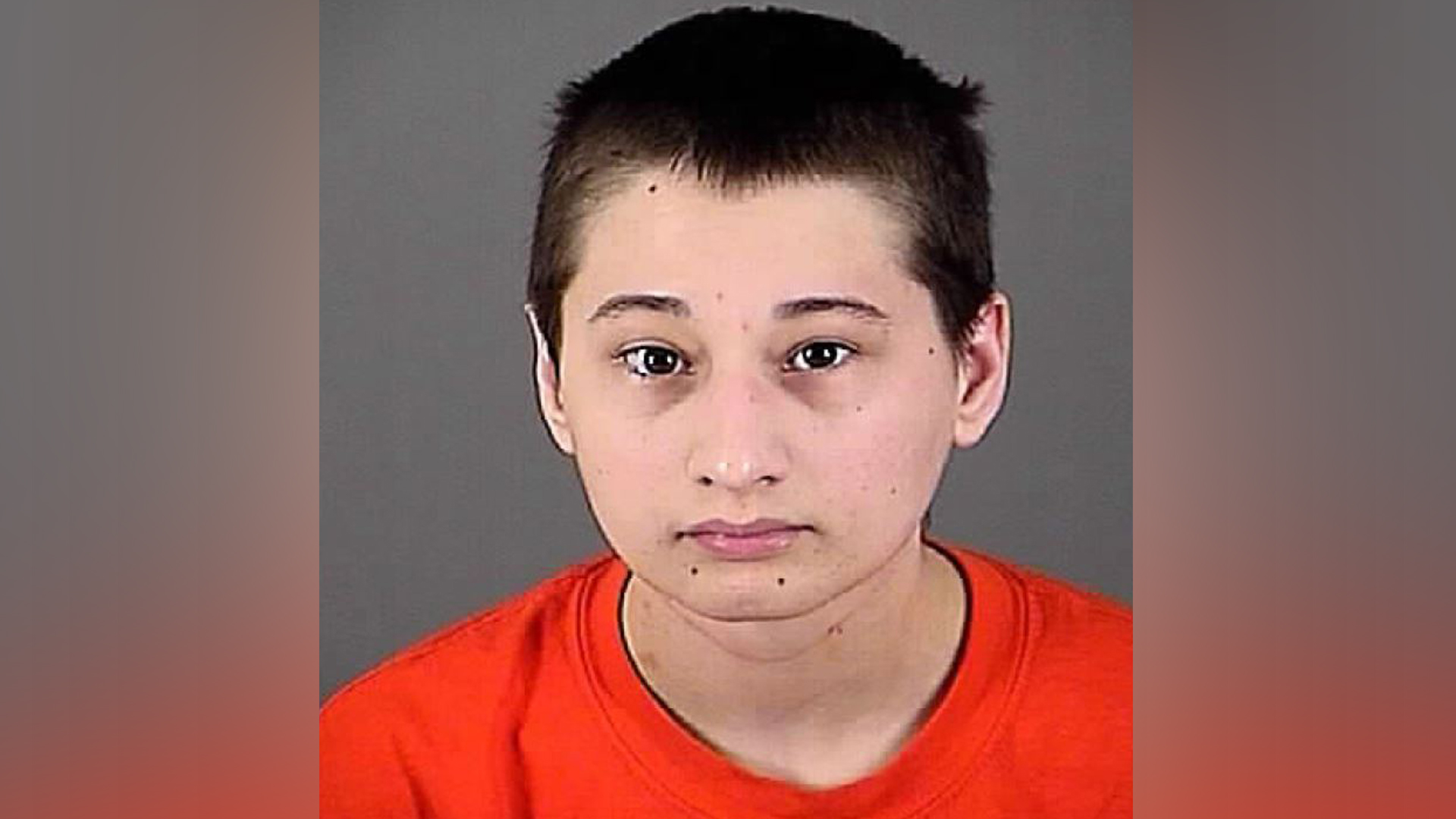
Experts later identified Dee Dee’s behavior as consistent with Munchausen syndrome by proxy, a psychiatric disorder in which a caregiver induces or invents illness to gain attention and sympathy.[2][4] In 2015, after multiple attempts to flee, Gypsy Rose conspired with an online boyfriend, Nicholas Godejohn, who traveled to Missouri and fatally stabbed Dee Dee while Gypsy hid in the bathroom; she pleaded guilty to second-degree murder in 2016 and received a 10-year sentence.[1][4]
From Prison to Public Spotlight
After serving about eight years, Gypsy Rose was released on parole in late 2023, having completed roughly 85 percent of her sentence for second-degree murder.[1][2][4] While still incarcerated, her case had already inspired the HBO documentary *Mommy Dead and Dearest* and Hulu’s scripted series *The Act*, making her story widely known even before she left prison.[1][4]
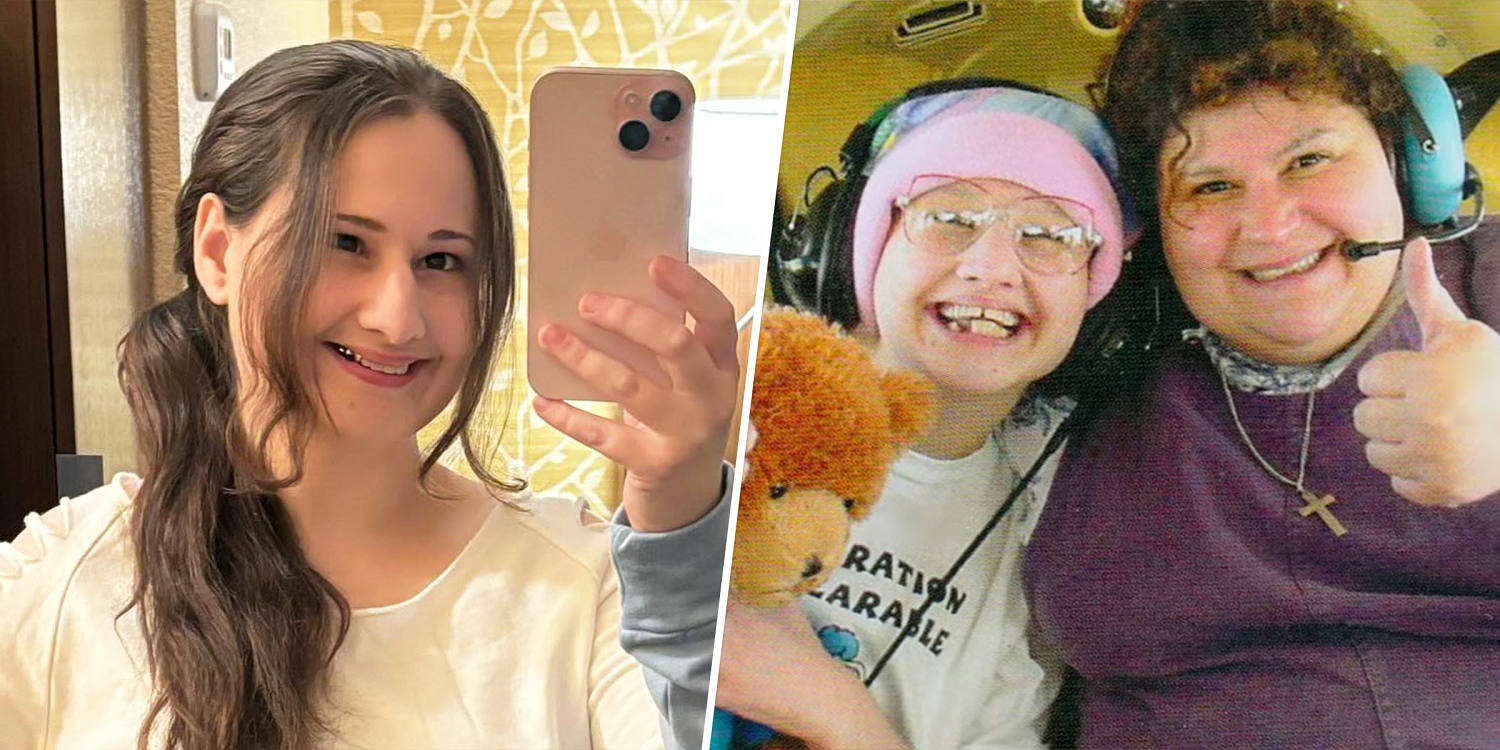
Following her release, Gypsy Rose quickly entered the media spotlight, giving interviews on national television and participating in the docuseries *Gypsy Rose: Life After Lock Up*, which followed her adjustment to life outside prison.[1][2] Coverage has detailed her personal milestones and setbacks, including marriage, separation, and reconnecting with extended family, as well as her reflections on regret, survival, and the enduring psychological impact of long-term abuse.[1][2][4]
Today’s Impact and Ongoing Conversations
Today, Gypsy Rose is leveraging her platform to tell her story directly, most notably through her 2025 memoir *My Time to Stand*, published by Simon & Schuster.[3][6] The book promises new details about her upbringing, the years of coercion she experienced, and her ongoing efforts at healing, positioning her as both a survivor and a commentator on systemic failures surrounding child abuse.[3][6]
Her case continues to influence public and professional understanding of Munchausen syndrome by proxy and medical child abuse, frequently cited in discussions about how doctors, social workers, and law enforcement can better detect caregiver-fabricated illness.[2][4][5] At the same time, her growing public presence raises complex questions about victimhood, responsibility, and media ethics—highlighting how society responds when someone is both a survivor of extreme violence and a person convicted of a serious crime.[2][3][4]