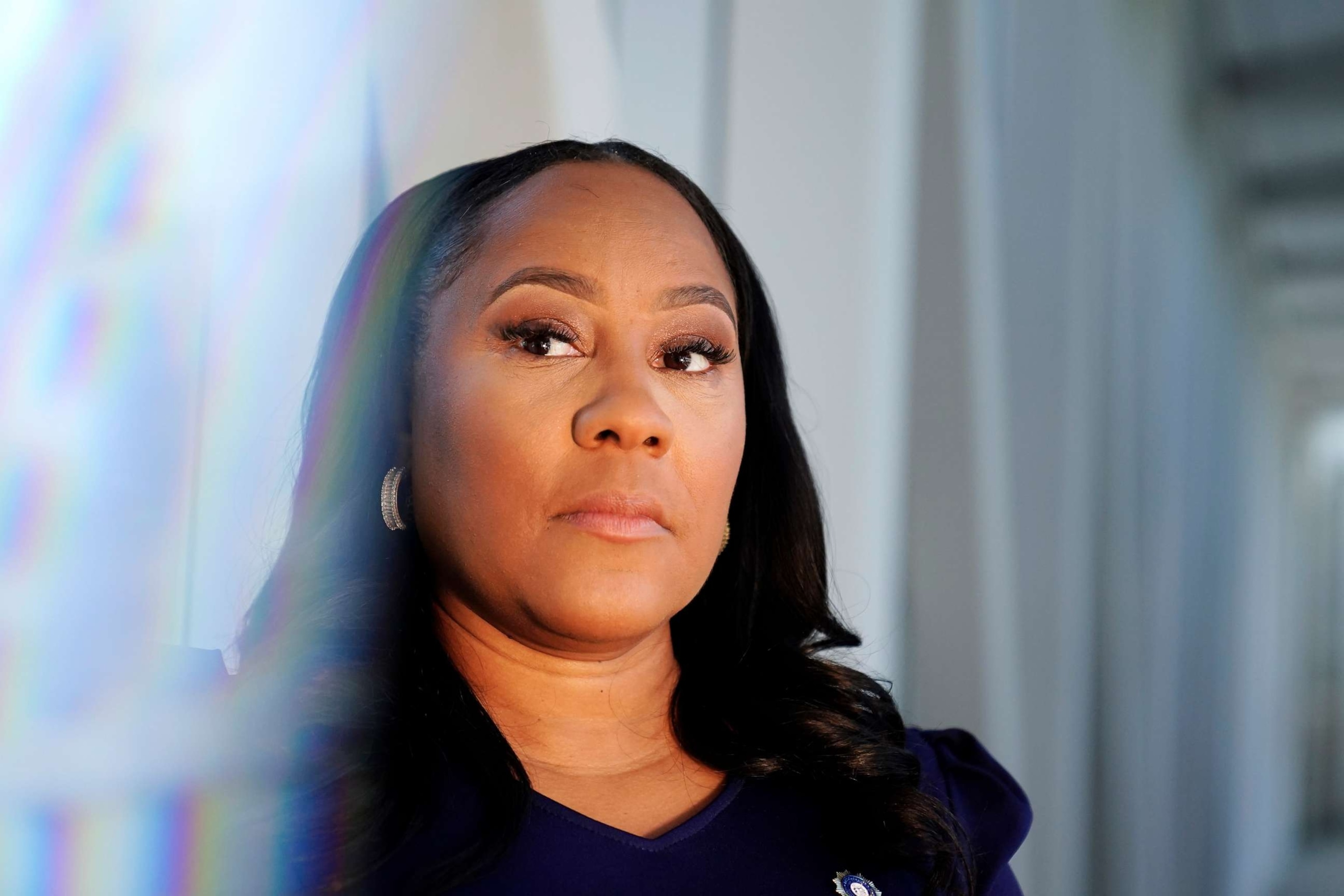
Who Is Fani Willis?
Fani Willis is the district attorney of Fulton County, Georgia, and the first woman to hold that office. She rose to national prominence after bringing a sweeping racketeering case that charged Donald Trump and multiple allies over efforts to overturn Georgia’s 2020 presidential election results.[1]
Sworn in on January 1, 2021, Willis quickly became one of the most visible local prosecutors in the country as she used Georgia’s anti-racketeering statute to frame alleged election interference as a coordinated criminal enterprise.[1] That strategy put her at the center of a broader national fight over how aggressively prosecutors should respond to challenges against certified election outcomes.
Georgia Senate Committee Hearing and Political Fallout
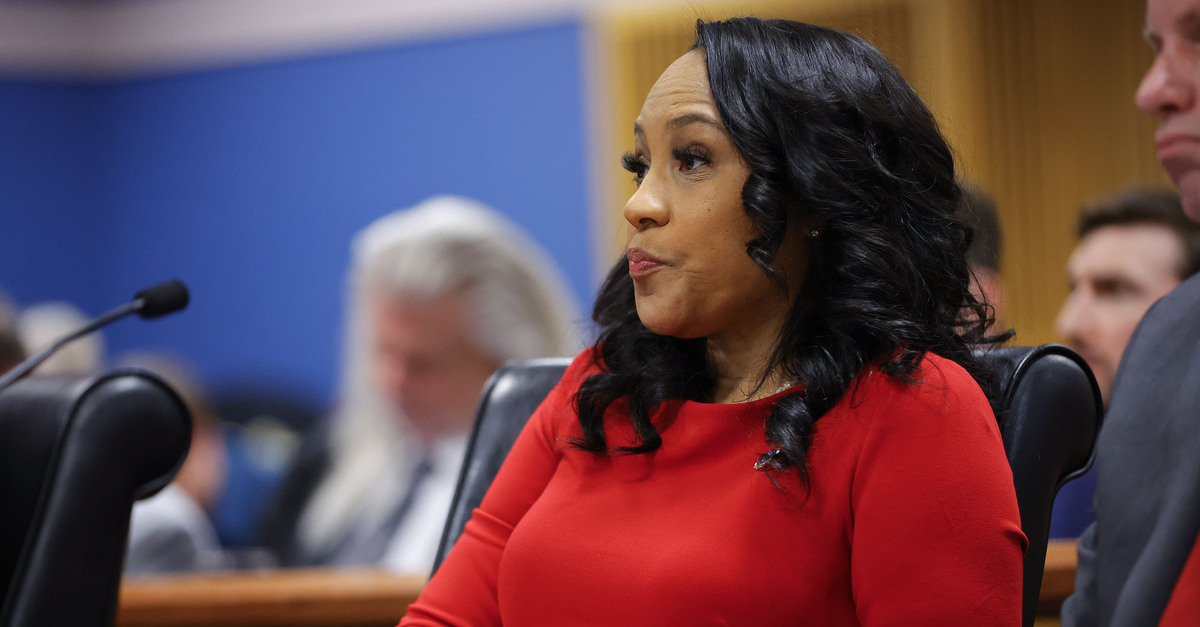
A Republican-controlled Georgia Senate special committee was formed in early 2024 to investigate allegations of misconduct by Willis related to the Trump election interference case.[1][4] At its latest hearing, senators questioned her about her background, how she runs her office, and how much public money her team spent on the prosecution.
Willis pushed back strongly, declining to provide a specific total for the case’s cost but arguing that any amount was justified because the defendants had tried to undermine the voting rights of Georgians.[1] She also denied accusations that she planned to prosecute Trump before she took office, calling that claim “a lie” and emphasizing that she could not foresee crimes that had not yet occurred.[1] Her attorney, former governor Roy Barnes, has criticized the inquiry as a partisan “witch hunt,” while her campaign has urged supporters to view the hearing as an attack meant to distract her from her duties.[1]
Ethics Allegations, Nathan Wade, and the Case’s Impact
The Senate committee has focused especially on Willis’s decision to hire attorney Nathan Wade as a special prosecutor in the Trump case and on allegations that the two had a romantic relationship while Wade was being paid with public funds.[1][4] Lawmakers claim this created a conflict of interest and misled taxpayers, while Willis insists she hired Wade because her office was overwhelmed with major cases and needed his experience.[1]
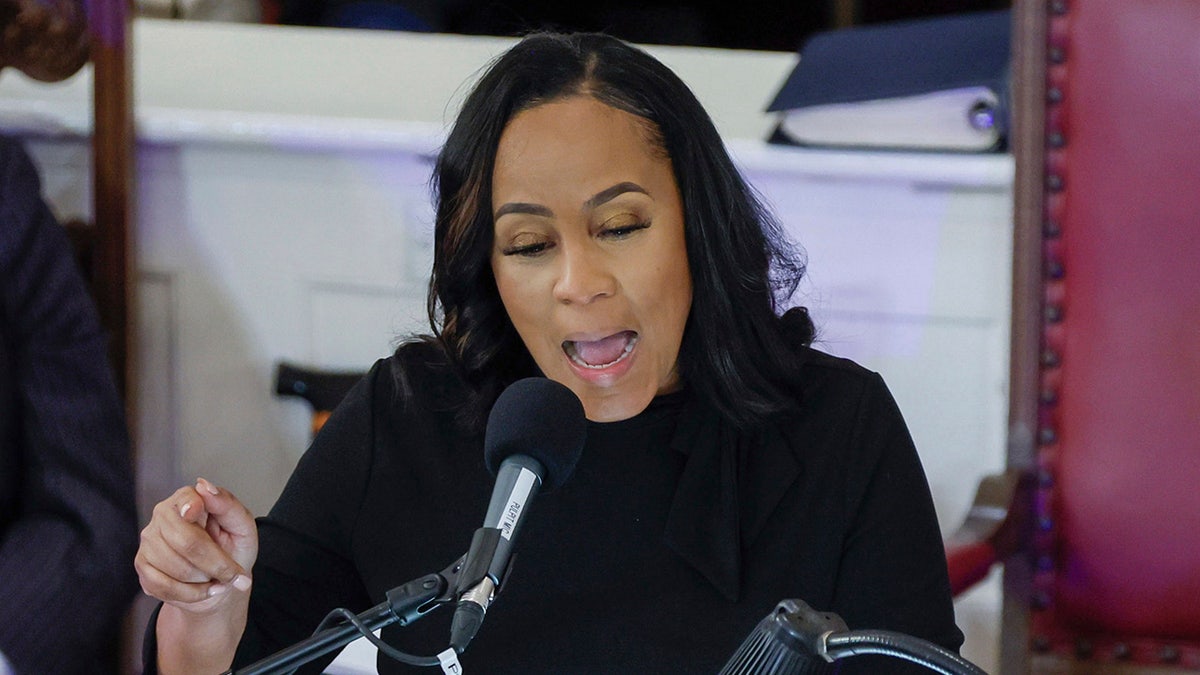
In response to a defense motion in early 2024, a judge held a high-profile hearing where Willis and Wade testified about their relationship and denied that it tainted the prosecution.[1] The judge found a “tremendous lapse in judgment” but initially allowed Willis to remain on the case if Wade resigned, which he did.[1] Subsequent developments, however, led to Willis’s removal and a separate prosecutor’s decision to dismiss the remaining charges, leaving the once sweeping Georgia election interference case defunct.[1][4] The fallout has reshaped expectations for future election-related prosecutions and intensified partisan battles over how far prosecutors can go when charging powerful political figures.