What “earthquake now” means
When people search for “earthquake now,” they are usually looking for live information about earthquakes that are happening at this moment or that have just been detected in the last few minutes or hours. These real-time updates include the earthquake’s magnitude, depth, location, and the time it occurred, as well as whether it was felt by people nearby.
Modern seismic networks automatically pick up ground vibrations using sensitive instruments and then feed that data into processing systems that calculate the size and location of each event. National and international agencies publish these results quickly, often within minutes, and highlight stronger or more widely felt quakes as significant events based on their shaking intensity and community reports.[3]
Today’s earthquake activity and monitoring
On any given day, including today, dozens of small to moderate earthquakes occur worldwide along tectonic plate boundaries and active fault zones. Most of these events are too small or too far from cities to cause damage, and many are not even felt by people on the surface. Regional monitoring centers, such as those in Alaska and the broader United States, detect even low-magnitude quakes as part of their routine surveillance of seismic hazards.[2]
Larger or more impactful earthquakes are tracked on dedicated “significant earthquake” lists, which focus on events that are strong, widely felt, or associated with potential damage and casualties.[3] Looking at annual records for 2025, several earthquakes of magnitude 6 and above have already been documented around the world, some causing injuries and damaging homes, churches, and other structures.[1] These records underscore why continuous, real-time monitoring is essential for both science and public safety.
Impacts, safety, and what to do during an earthquake
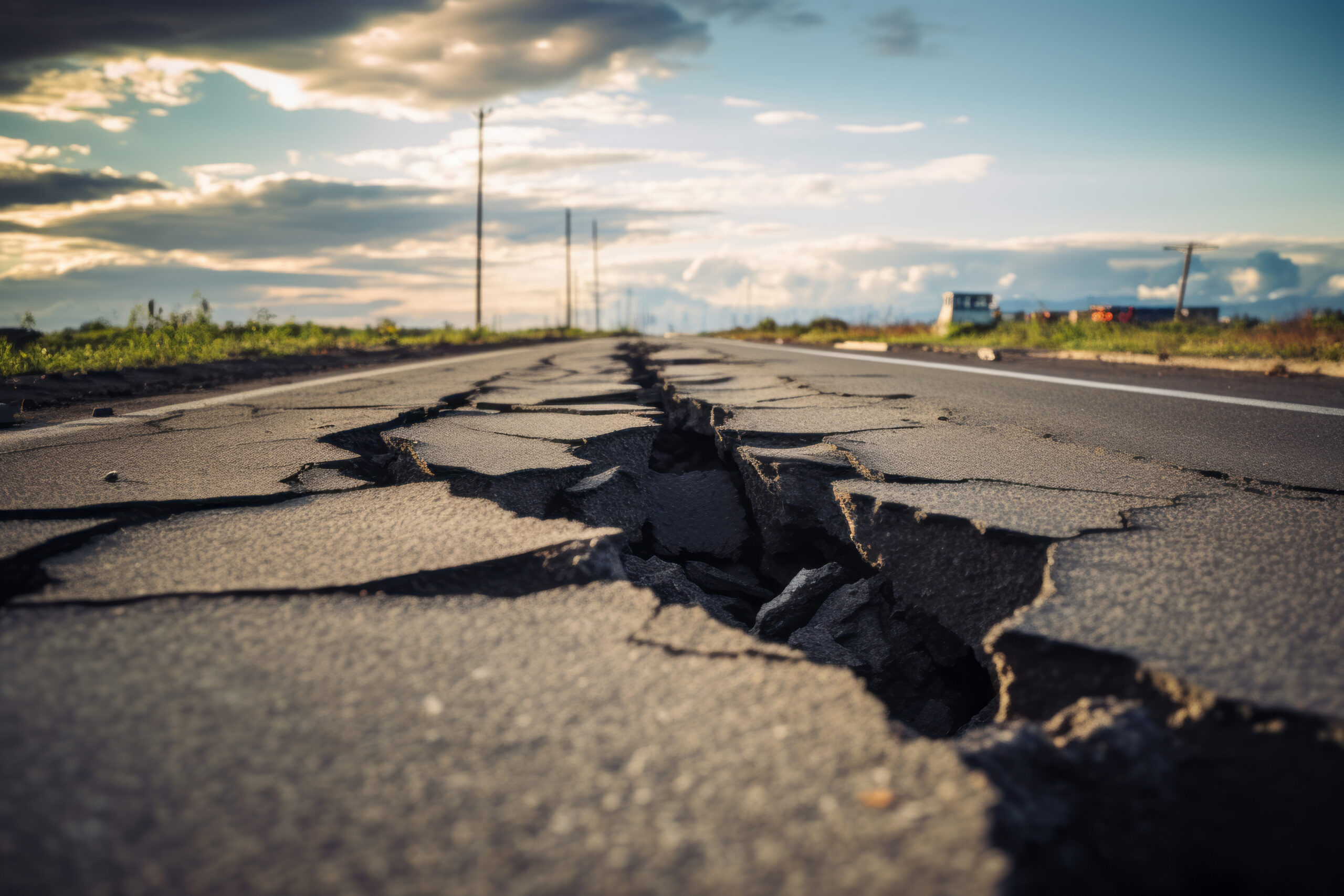
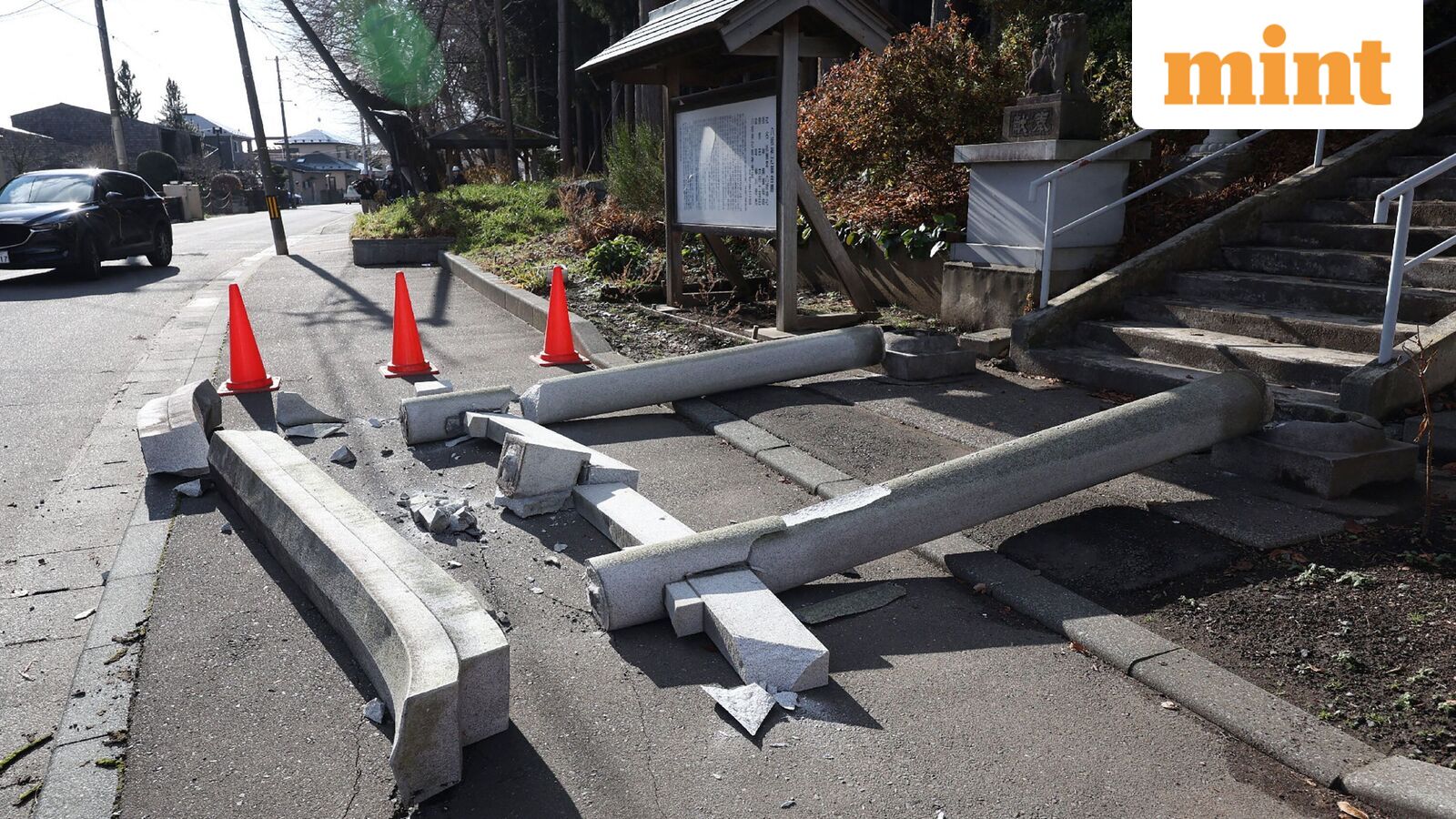
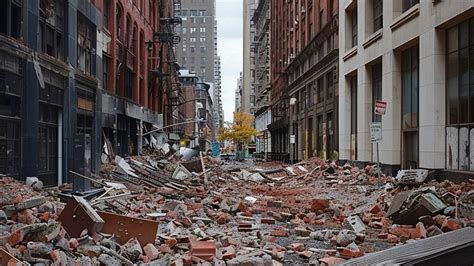
The impact of an earthquake happening now depends on how strong it is, how deep it occurs, how close it is to populated areas, and how resilient local buildings and infrastructure are. Even moderate earthquakes can injure people and damage homes and public buildings in vulnerable regions, as recent events in 2025 have shown in several countries.[1] In contrast, similar-sized quakes in areas with strict building codes may result in less severe consequences.
When shaking is reported in your area, the immediate priority is personal safety: drop to your hands and knees, take cover under sturdy furniture or next to an interior wall, and hold on until the shaking stops. Afterward, people should check for injuries, avoid damaged structures, and follow instructions from local authorities, who rely on real-time earthquake data, shaking maps, and public reports to assess the situation.[3] Staying informed through official seismic and emergency management sources ensures that real-time earthquake information translates into effective action and reduced risk.