
Who Is David Letterman?
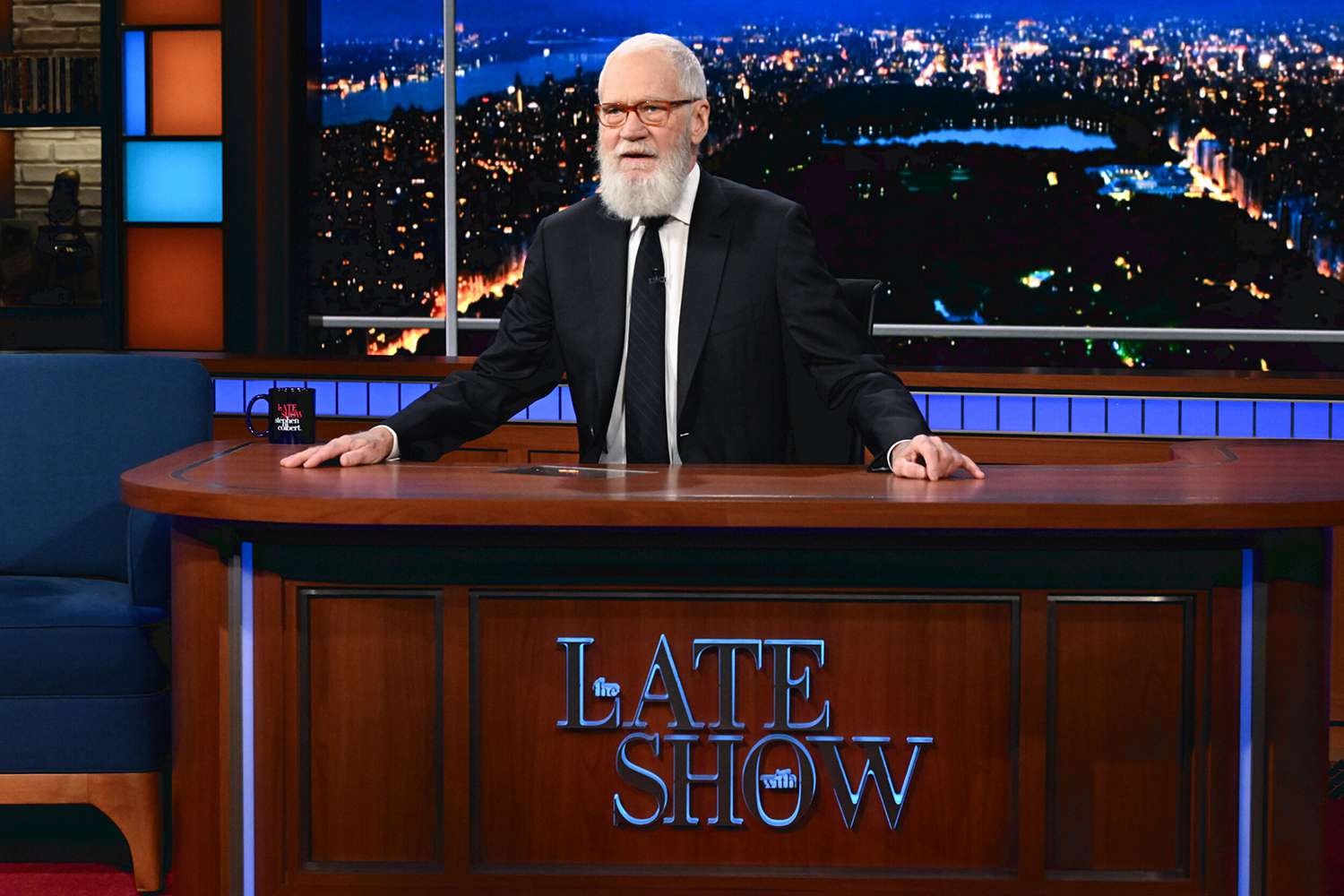
David Letterman is an American television host, comedian, writer, and producer who became one of the most influential figures in late-night TV through his work on NBC's Late Night and CBS's Late Show.[1][2] His offbeat humor, recurring comedy segments, and willingness to experiment with the talk-show format helped redefine what a late-night program could be for multiple generations of viewers.[1][2]
Over his career, Letterman hosted a combined 6,080 episodes of Late Night and Late Show, surpassing Johnny Carson to become the longest-serving late-night talk-show host in American television history.[1][2] Along the way, he and his production company Worldwide Pants earned numerous Emmy Awards and a Peabody Award, while also helping launch and support other hit series such as Everybody Loves Raymond.[2][4]
Life After The Late Show
Letterman retired from CBS's Late Show in 2015, with his final episode marking the end of an era in network late-night television.[1][2] After an initial period of relative privacy, he gradually returned to the spotlight through select public appearances and special projects, signaling that he was not entirely finished with broadcasting.[2]
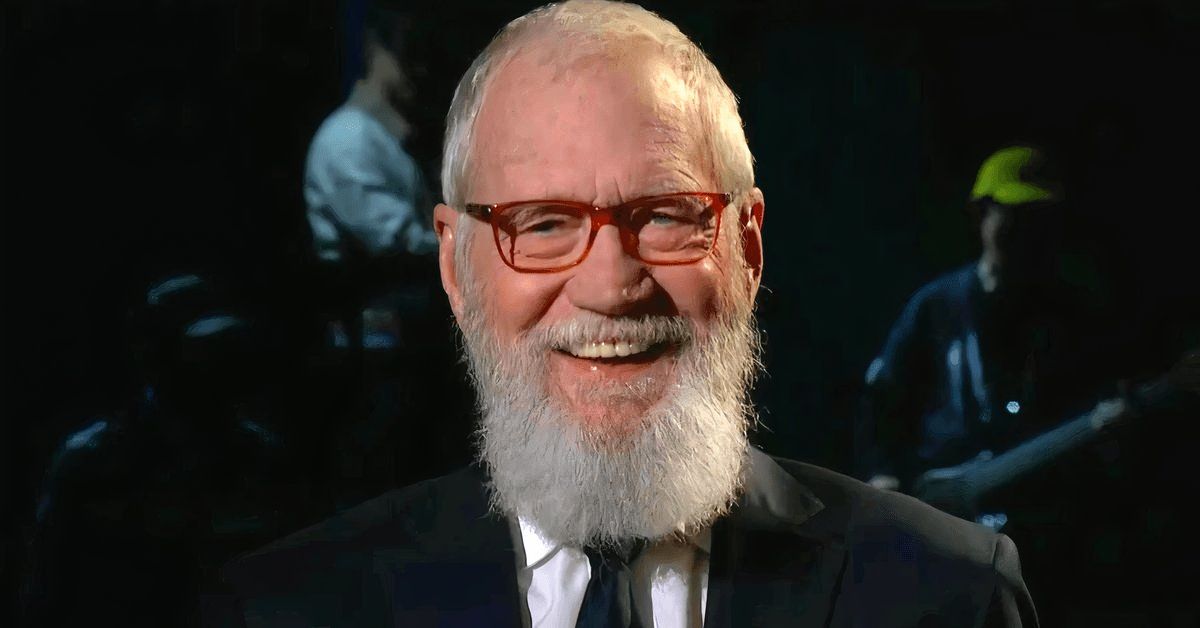
In 2018, Letterman debuted My Next Guest Needs No Introduction with David Letterman on Netflix, embracing the shift to streaming platforms and on-demand viewing.[2] The series focuses on extended, in-depth interviews with a single guest per episode, allowing Letterman to lean into more reflective, personal conversations than the shorter, more promotional interviews typical of nightly network shows.[2][7]
Influence in the Streaming and Digital Era
Through My Next Guest and other appearances, Letterman has engaged with guests who reflect today’s fragmented media landscape, including digital-first creators who built massive audiences outside traditional television.[7] By featuring such figures, he highlights how cultural influence has migrated to platforms like YouTube and social media, while also applying his seasoned interview style to a new generation of public personalities.[7]
Beyond streaming, Letterman participates in public discussions about the media environment and free expression, such as conversations at The Atlantic Festival on the future of free speech.[6] At the same time, classic clips from his NBC and CBS years continue to circulate widely on YouTube, where official channels and fan uploads keep his comedic legacy visible and accessible to younger audiences discovering his work for the first time.[1][5]