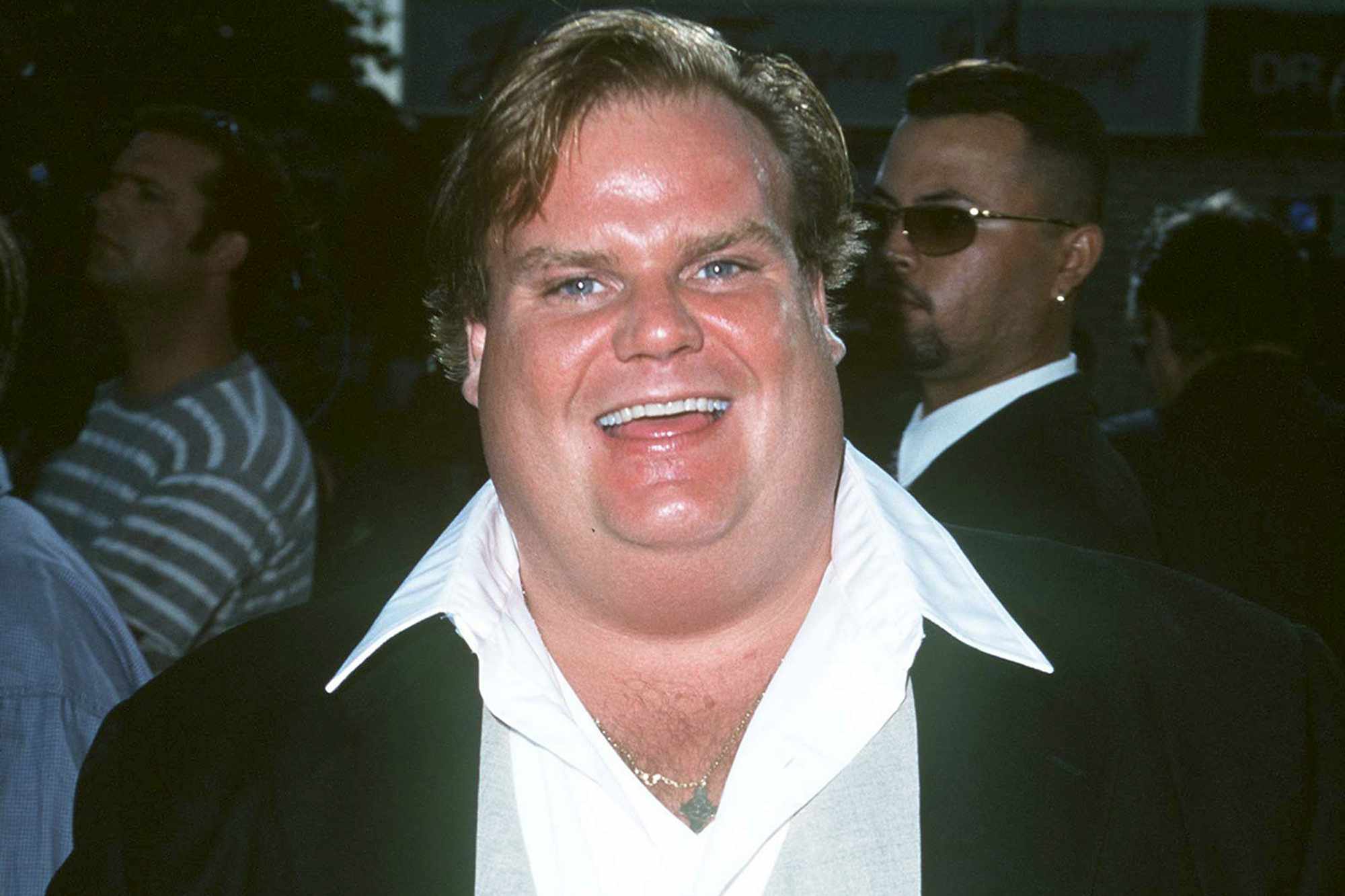
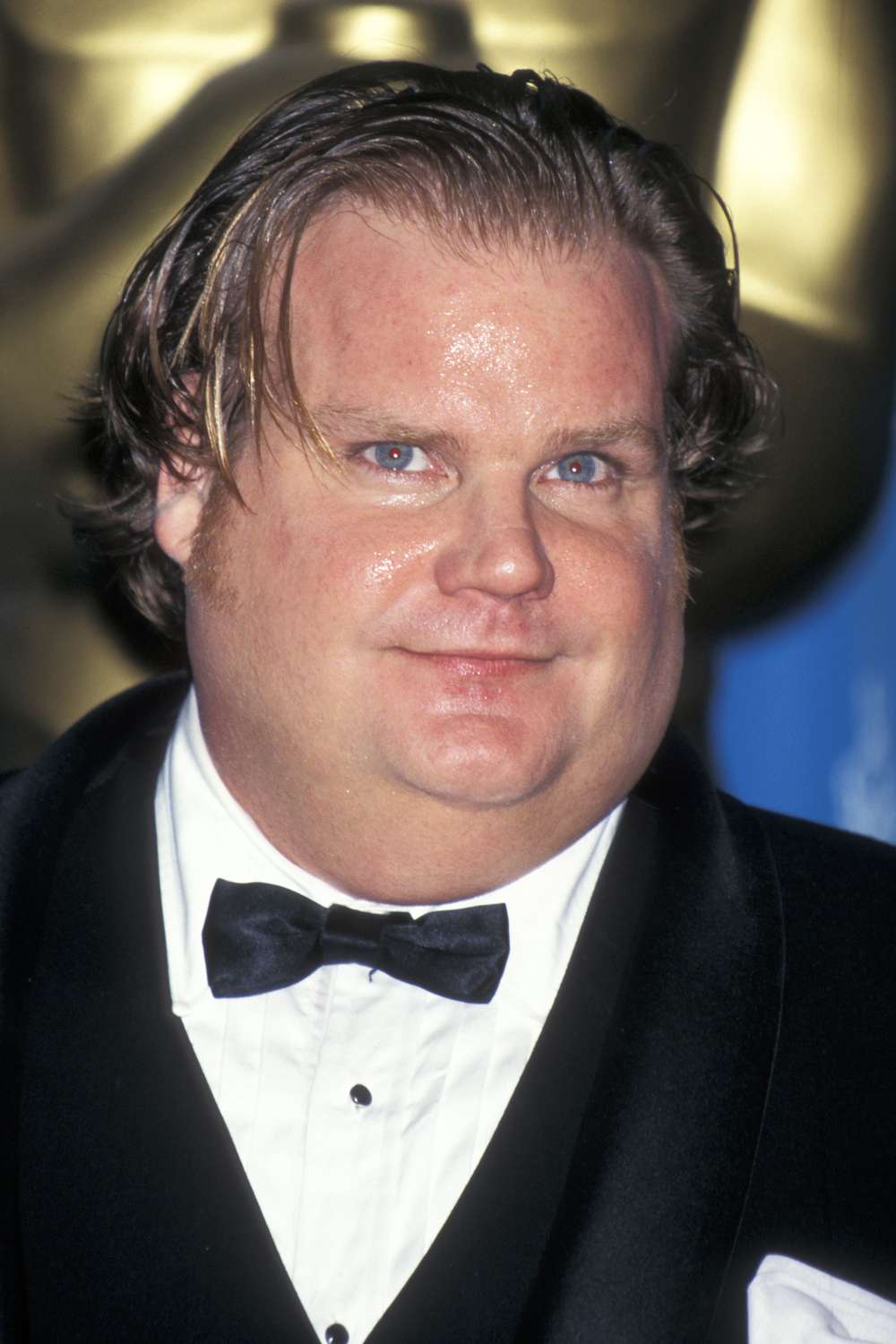
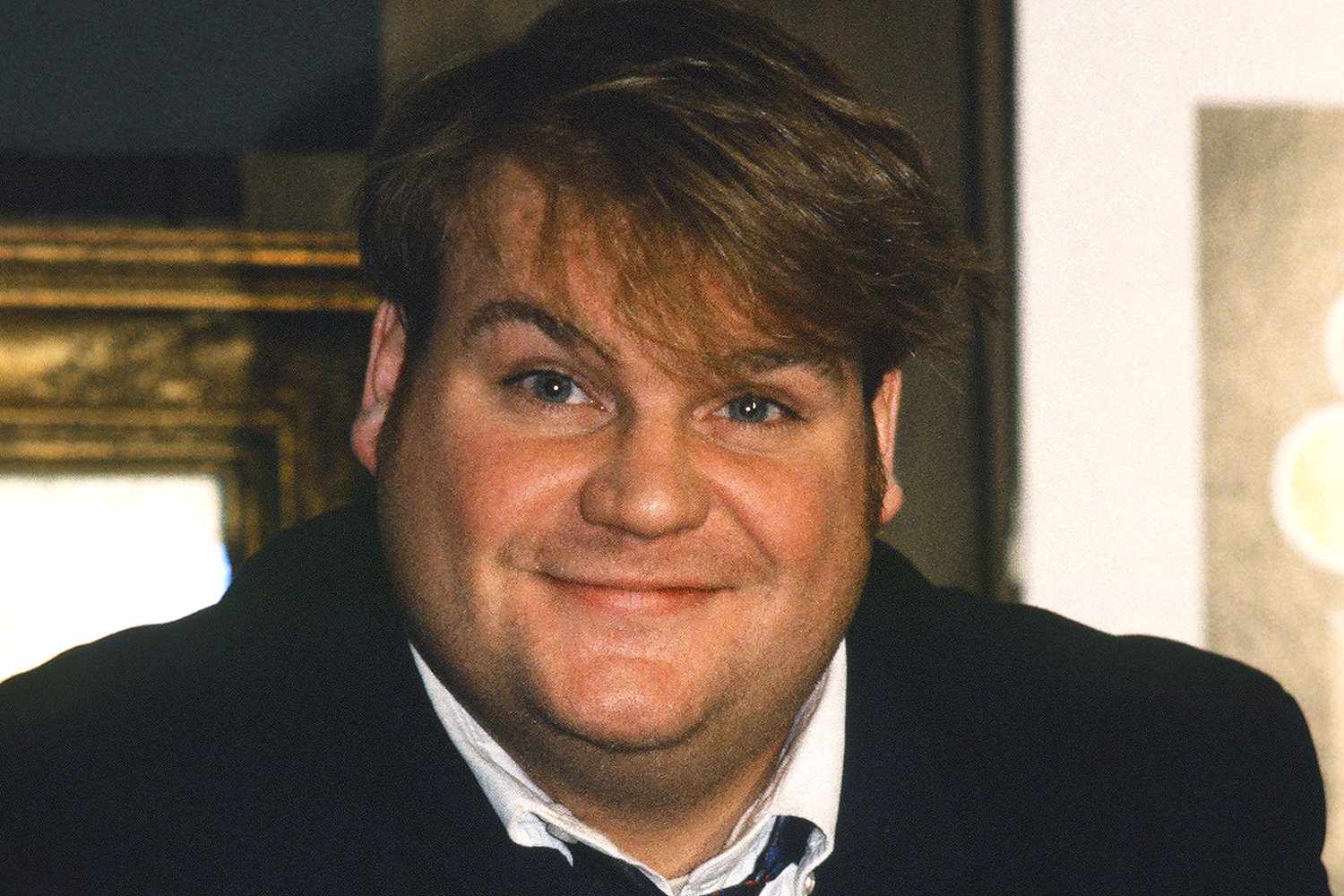
Who Was Chris Farley?
Chris Farley was an American actor and comedian best known as a frenetic, slapstick cast member on NBC’s Saturday Night Live from 1990 to 1995 and for leading roles in 1990s comedies like Tommy Boy, Black Sheep, and Beverly Hills Ninja.[3][1] Born in Madison, Wisconsin in 1964, he studied theatre and communications at Marquette University, where he also played rugby before moving into professional improv and sketch comedy.[3][7]
After graduating in 1986, Farley worked briefly at his family’s business before pursuing comedy full time at venues such as the Ark Improv Theatre in Madison, Improv Olympic in Chicago, and eventually the Second City main stage, where SNL creator Lorne Michaels discovered him.[4][7] His fearless physicality and willingness to do anything for a laugh quickly made him one of the defining faces of early-1990s SNL.[2][3]
Career Rise and Comedy Legacy
On Saturday Night Live, Farley created beloved characters like motivational speaker Matt Foley, the Gap Girls, and sports superfan Todd O’Connor, while also delivering memorable celebrity impressions; he became known for pushing sketches to the brink with his energy and pratfalls.[2][3] During this time he appeared in films such as Wayne’s World, Coneheads, and Billy Madison, often alongside fellow SNL castmates.[1][3]
Farley’s breakout as a film star came with Tommy Boy in 1995, co-starring David Spade, followed by Black Sheep in 1996 and Beverly Hills Ninja in 1997.[3][1] Although these movies received mixed critical reviews, they developed strong cult followings on home video and streaming, cementing his status as a 1990s comedy icon and influencing later generations of physical and character-based comedians.[3][2]
Struggles, Death, and Enduring Impact
Behind his onstage exuberance, Farley battled long-term addictions to alcohol and drugs and cycled through rehab numerous times during the peak of his fame.[2] On December 18, 1997, he died in his Chicago apartment at age 33 from an overdose of opiates and cocaine, with authorities citing a drug-related cardiac event, a fate that eerily echoed that of his idol John Belushi.[3][4]
In the decades since, Farley’s work and story have remained highly visible through documentaries like I Am Chris Farley, tributes such as Adam Sandler’s “Chris Farley Song,” and widespread circulation of his sketches and movie clips online.[3][2] His life and death continue to fuel public discussion about addiction, mental health, and the pressures of fame, even as his characters and performances introduce new audiences to his singular mix of chaos, heart, and physical comedy brilliance.