Who Is Archbishop Cardinal Dolan?
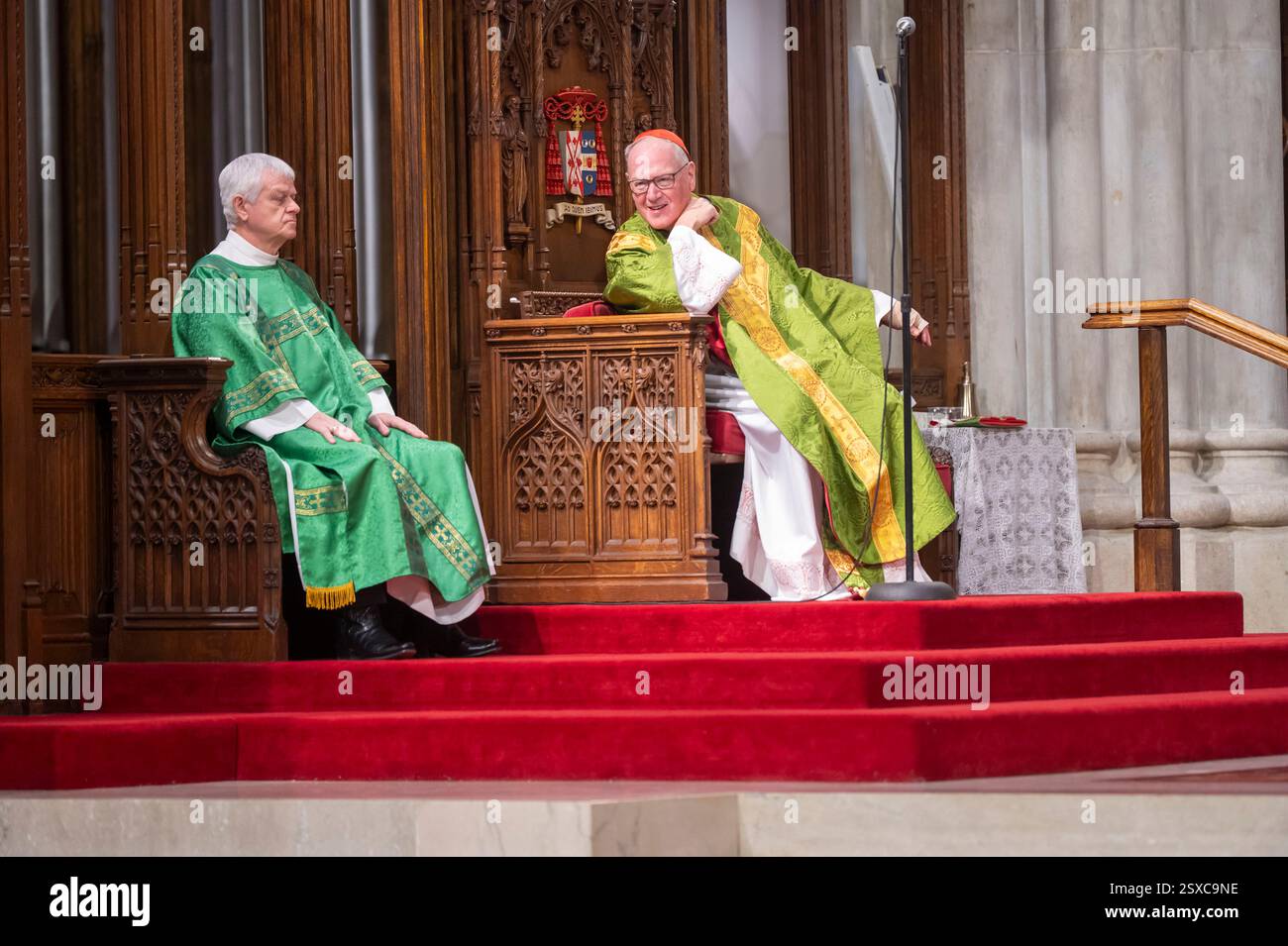
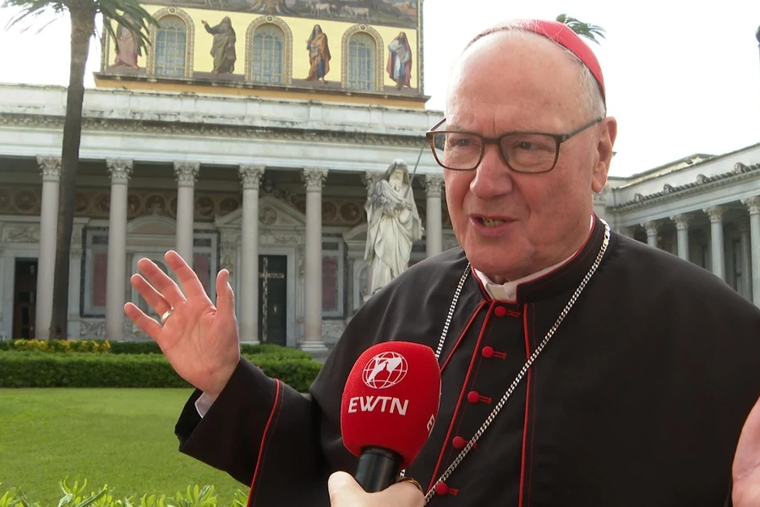
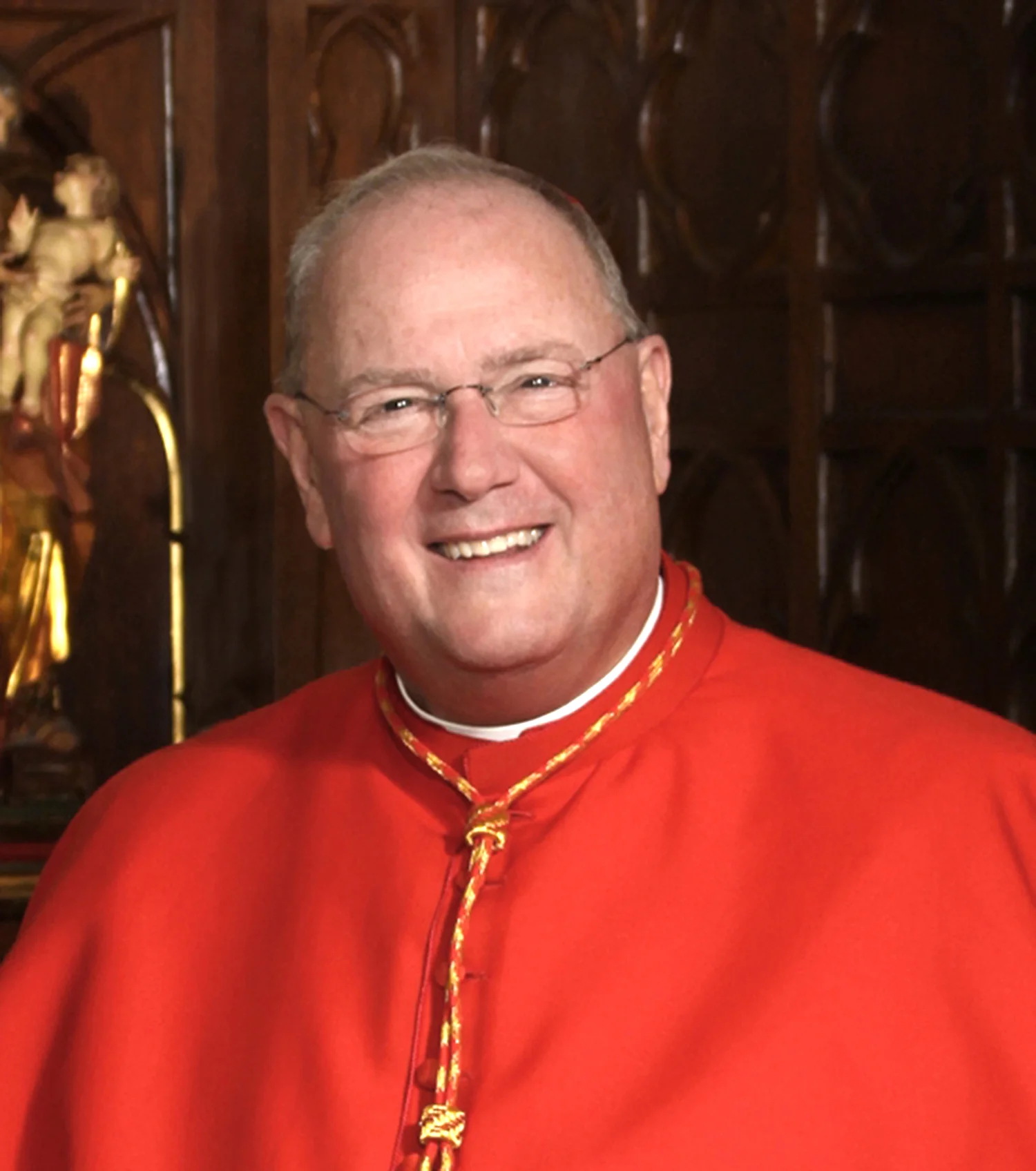
Archbishop Cardinal Timothy Dolan is an American cardinal of the Roman Catholic Church who has served as the archbishop of New York since 2009. As head of the Archdiocese of New York, he has been one of the most prominent and recognizable Catholic leaders in the world, frequently appearing in national media and shaping public debates on religion and culture.
Dolan built a reputation as a charismatic communicator, a defender of traditional Catholic doctrine, and a key figure in U.S.–Vatican relations. Appointed archbishop of New York by Pope Benedict XVI, he later became a cardinal and played a significant role in the global Church, including participation in papal conclaves and numerous international synods.[5]
Resignation and New Appointment in New York
In keeping with canon law, Cardinal Dolan submitted his resignation upon turning 75, the age at which all diocesan bishops are required to offer to step down from their posts. That resignation, initially sent to Pope Francis, was formally accepted by Pope Leo XIV, the first American pope, who moved to finalize the leadership change for the Archdiocese of New York.[2][5]
At the same time, Pope Leo XIV appointed Bishop Ronald Hicks of Joliet, Illinois, as the next archbishop of New York, giving him responsibility for roughly 2.8 million Catholics in the archdiocese.[2][4] Dolan will remain as apostolic administrator until Hicks’ installation, ensuring stability in diocesan governance during the handover period.[1][4]
Key Challenges and What the Change Means
The transition from Dolan to Hicks comes as the Archdiocese of New York confronts serious financial and pastoral challenges. The archdiocese has recently sold a major Madison Avenue property for a reported sum approaching $500 million to help fund settlements for survivors of clergy sexual abuse, and has set aside hundreds of millions of dollars more to address existing and potential claims.[3][4]
In addition to addressing abuse and rebuilding trust, the archdiocese is dealing with a shortage of priests and the task of evangelizing in a diverse, secular city.[4] Hicks has stressed that the Church must continue its commitment to accountability, transparency, and healing for survivors, while also renewing parish life and outreach. For many observers, this leadership change marks a pivotal moment that will shape how the Catholic Church in New York responds to its most urgent moral, spiritual, and institutional tests.