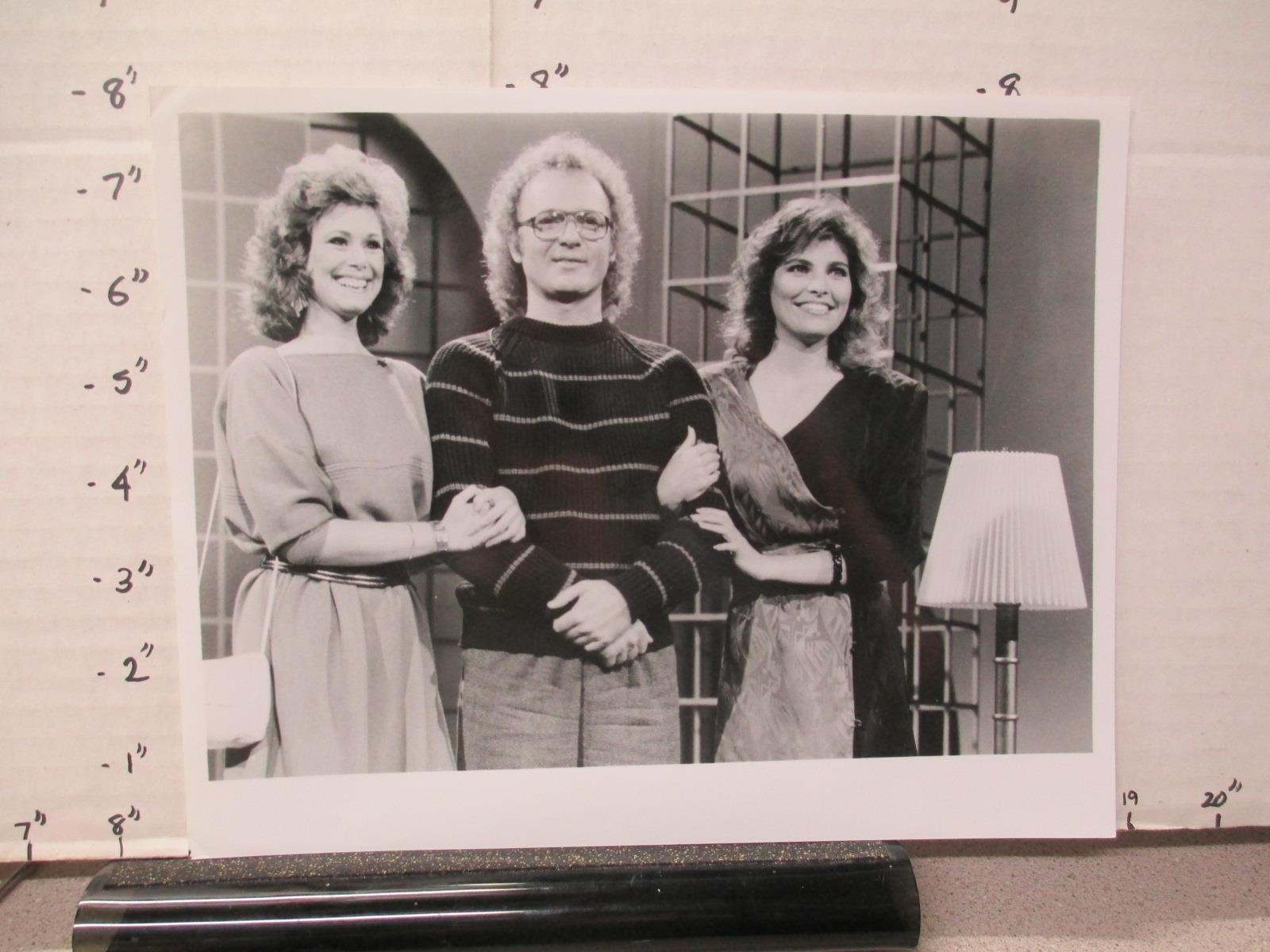
Who Was Anthony Geary?
Anthony Geary was an American actor best known for his portrayal of Luke Spencer on the ABC soap opera General Hospital, a role he originated in 1978 and played for decades.[1] His work on the series redefined expectations for daytime drama and earned him a devoted global fan base.
Geary’s performance as Luke Spencer became central to General Hospital’s success, turning a short-term role into one of television’s most recognizable characters.[1] The pairing of Luke and Laura became a cultural touchstone, with their 1981 wedding episode drawing record-breaking daytime ratings and cementing Geary’s status as a soap legend.[1]
Career Highlights and Record-Breaking Awards
Over the course of his career, Geary earned a record eight Daytime Emmy Awards for Outstanding Lead Actor in a Drama Series, making him one of the most decorated performers in daytime history.[1] His nominations and wins spanned decades, underscoring the consistency and impact of his work on General Hospital.
Outside of his signature soap role, Geary appeared in films such as UHF, Johnny Got His Gun, and Disorderlies, and worked extensively in theater and television guest roles.[1] Despite occasionally being pigeonholed as a soap actor, his versatility and commitment to challenging material won him respect from colleagues and critics alike.[1]
Legacy, Retirement, and Reaction to His Death
After retiring from General Hospital in 2015, Geary relocated to the Netherlands with his husband, Claudio Gama, choosing a quieter life while remaining an enduring figure for fans of the show.[1] His brief 2017 cameo allowed viewers one more farewell to Luke Spencer, reinforcing the character’s lasting emotional resonance.[1]
News of Anthony Geary’s death at 78 has led to extensive tributes from entertainment outlets, co-stars, and longtime viewers, many of whom credit him with elevating daytime storytelling and acting standards.[1][2] As classic episodes and retrospectives circulate, Geary’s influence on television, and particularly on the soap opera genre, continues to be celebrated and reassessed for its cultural significance.[1]