History and Global Scale
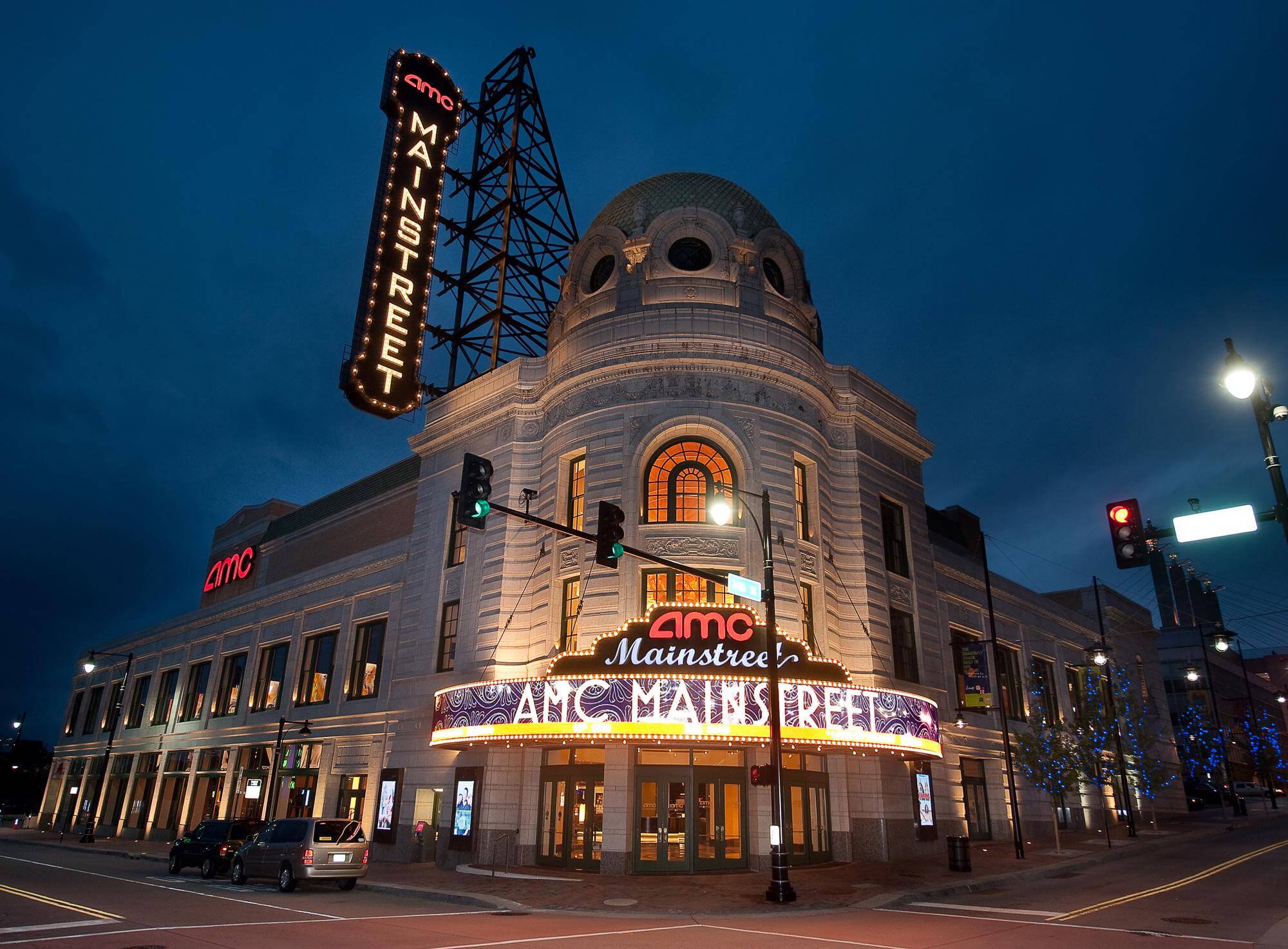
AMC Theatres traces its roots to 1920 in Kansas City, Missouri, evolving into a multiplex leader through key mergers like Loews Cineplex in 2006 and Kerasotes in 2010. By 2016, acquisitions of Odeon, UCI, and Carmike propelled it to global dominance with over 10,000 screens worldwide.
As of September 30, 2025, AMC owns or operates about 860 theaters and 9,600 screens, maintaining the largest share in the US (around 593 theaters) and Europe (353 theaters). This vast network enables economies of scale in film distribution and premium offerings.
The company's footprint supports annual ticket sales nearing 200 million, blending Hollywood blockbusters with independent films to attract diverse audiences.
Innovations and Customer Experience
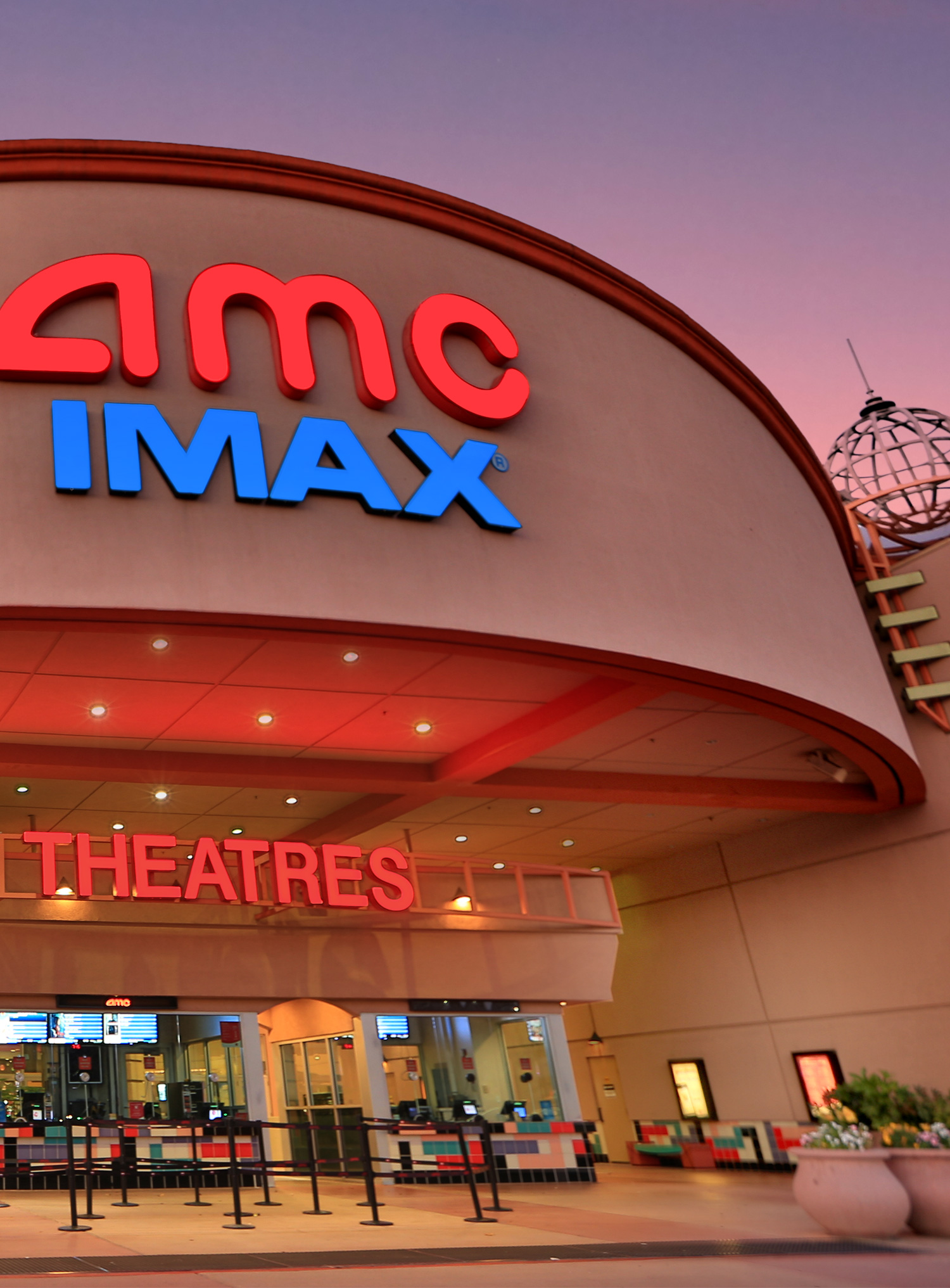
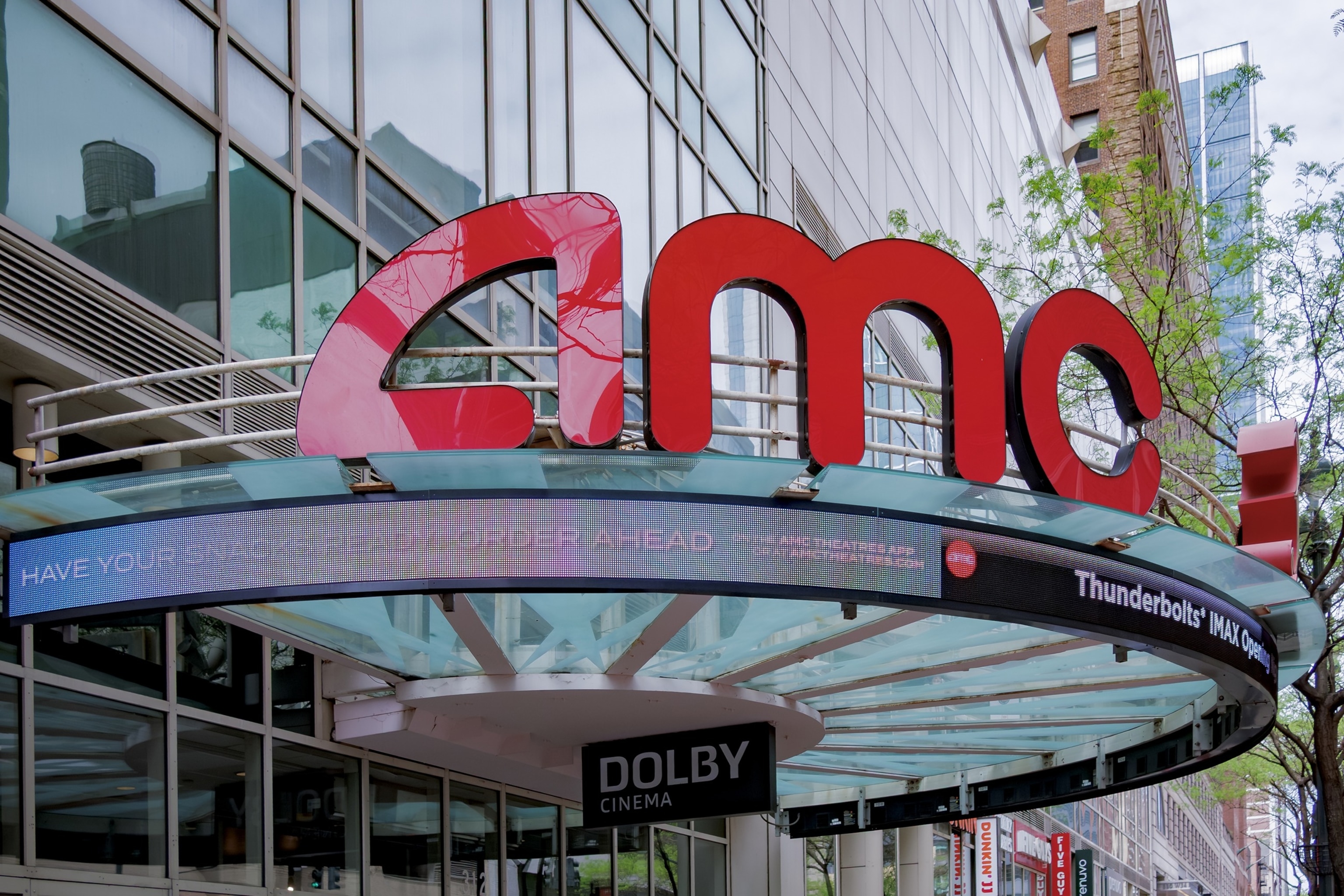
AMC sets industry standards with Signature power-recliner seats, upgraded concessions, and advanced tech like Dolby Cinema sound and expansive IMAX screens. These premium experiences drive higher revenue per patron, hitting records in 2025.
Digital tools enhance accessibility: mobile apps for ticketing, loyalty programs with 35 million member households by late 2024, and subscription models ensure repeat visits. AMC also offers private rentals and varied content to compete with streaming.
Focus on guest engagement through apps and websites has transformed operations, fostering loyalty amid evolving entertainment trends.
2025 Performance and Outlook
Financially, AMC posted Q3 2025 record metrics despite Q1 dips, with Q2 revenues at $1.40 billion (up 35.6% YoY). Efforts target $170 million positive cash flow, fueled by PLF expansions and renovations.
Challenges like debt and streaming competition persist, but strategic investments in XLF screens and revenue diversification position AMC strongly. The 2025 annual meeting reflected shareholder support at over 90% quorum.
AMC's vision emphasizes global leadership, digital transformation, and premium satisfaction, ensuring resilience in a post-pandemic cinema landscape.