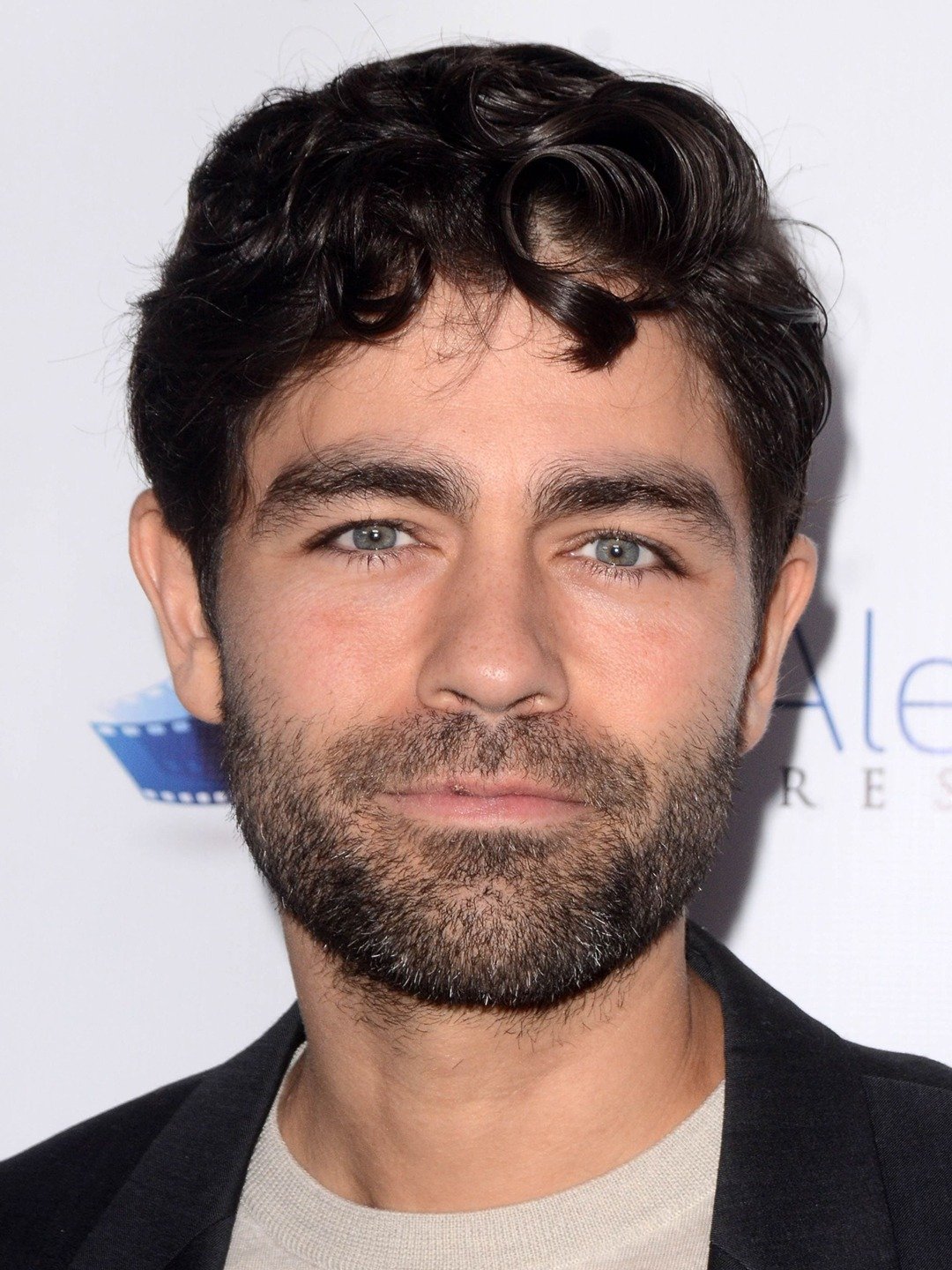
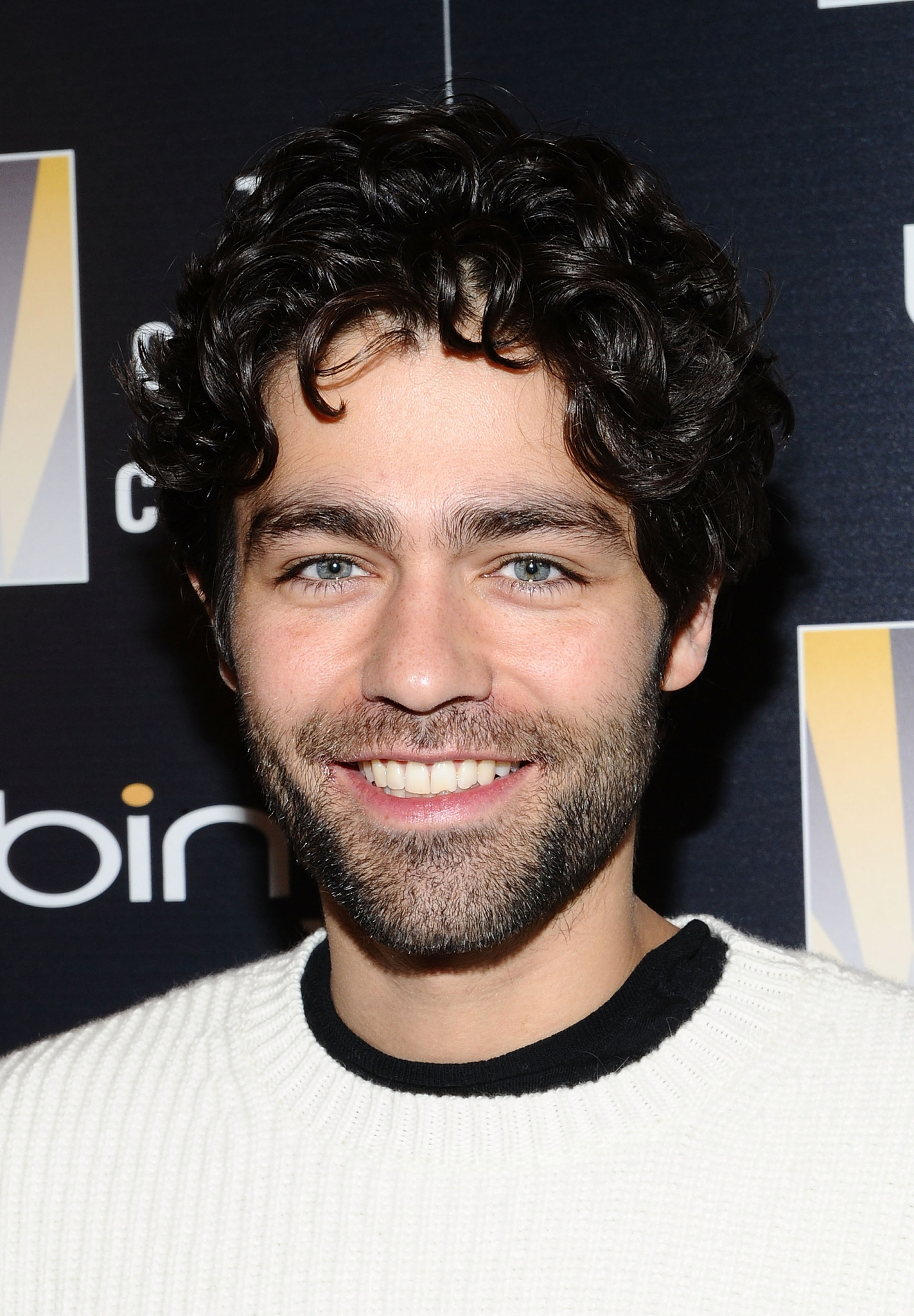
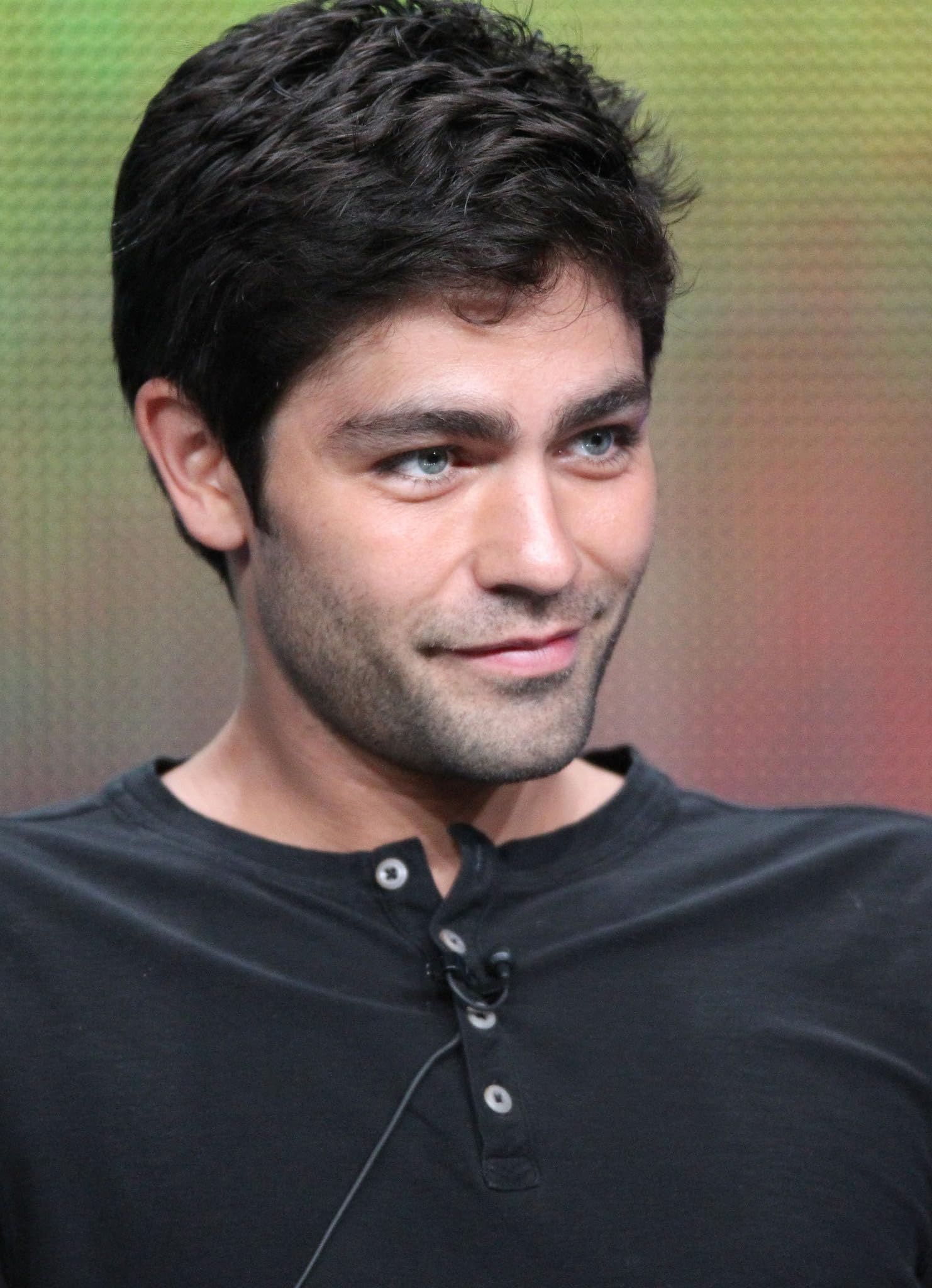
Who Is Adrian Grenier Today?
Adrian Grenier is an American actor, producer, and director best known for playing Vincent Chase on HBO's series Entourage and Nate in The Devil Wears Prada.[1][3] After rising to fame in the 2000s, he expanded into directing and producing socially minded documentaries.
Born in Santa Fe, New Mexico, in 1976, Grenier built a career that spans studio films, independent projects, and television, including a later lead role in Netflix's thriller miniseries Clickbait.[1][3] His current public identity blends his entertainment legacy with his lifestyle as a rancher, sustainability advocate, and cryptocurrency supporter.
Leaving Hollywood and Building a Ranch Life
Grenier has spoken openly about stepping away from Hollywood around 2016 to pursue a more grounded life, explaining that the trajectory he was on did not feel meaningful enough.[2] He relocated to a ranch in Texas, focusing on land stewardship, family, and practical forms of sustainability.[1][2]
On television interviews he has described his earlier years in Los Angeles and New York as "flying high" before choosing a slower pace centered on nature and long-term projects.[2] While he still accepts select acting roles and hosting gigs, his primary focus now lies in building a resilient rural community and living according to the environmental values he once mainly expressed through media.
Sustainability, Bitcoin, and Cultural Controversy
Grenier co-founded SHFT.com, a lifestyle brand that promotes sustainability through film, design, art, and culture, partnering with major companies and winning Webby Awards for its digital content.[1] He also serves as a campus advisor for the Academy for Global Citizenship, reflecting a longstanding interest in education and environmental change.[1]
In Texas, he is developing a farming community that uses sustainable practices and incorporates Bitcoin and cryptocurrency as a medium of exchange, highlighting his belief in decentralized systems and new economic models.[1][2] At the same time, he has made headlines for criticizing "woke" college students who try to tell farmers how to do their jobs, arguing that practical agricultural experience should guide decisions about organic and regenerative methods.[2][4]