
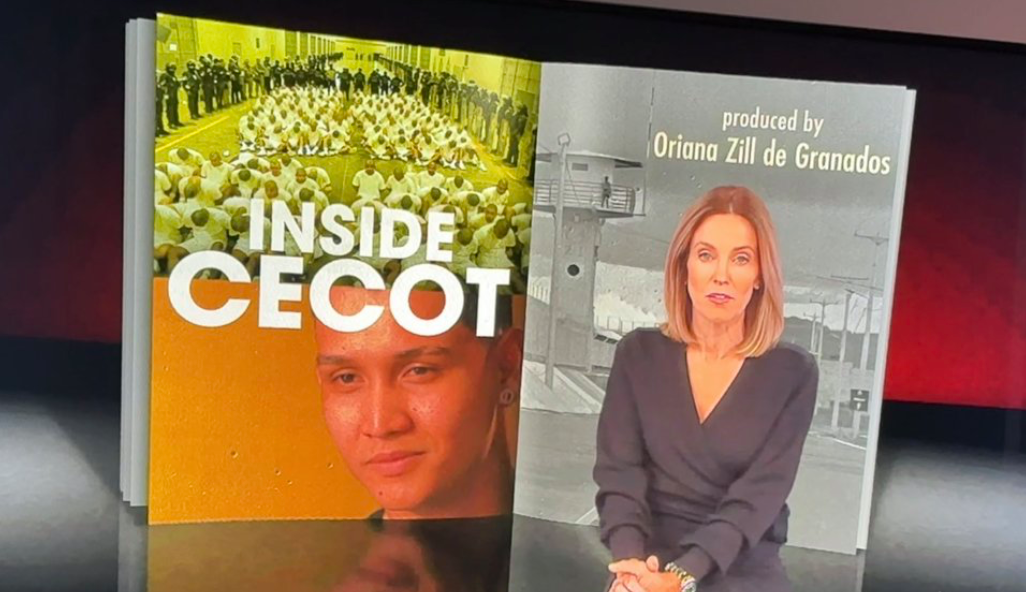

What Is the 60 Minutes CECOT Episode Canada Story?
The phrase “60 Minutes CECOT episode Canada” refers to a 60 Minutes investigation into El Salvador’s CECOT mega-prison that CBS postponed in the United States but that briefly streamed in Canada on Global TV’s website and app. The episode, centered on testimony about alleged brutality and deprivation inside CECOT, focuses especially on migrants deported from the U.S. to the Salvadoran facility.[1][2]
Canadian coverage explains that even though CBS pulled the segment from its flagship U.S. broadcast, a version of the program still went live on Global’s free digital platforms, where some viewers were able to watch it before it was removed.[2] That brief window allowed clips and summaries to spread online, turning a programming decision into a high-profile controversy about censorship, leaks and cross-border media distribution.
Why Did CBS Postpone the CECOT Segment?
NBC News reports that CBS News editor in chief Bari Weiss decided to postpone the 60 Minutes CECOT segment, which had been slated to air on December 21, despite the fact that it had already completed standard internal review.[1] In an internal email later obtained by reporters, correspondent Sharyn Alfonsi argued that the piece was “factually correct” and insisted that pulling it after all checks were met “is not an editorial decision, it is a political one.”[1]
According to media coverage, Weiss sought to add more context, including perspectives from the Trump administration or its allies, because the report scrutinizes deportations that sent migrants into CECOT’s harsh conditions.[1] Supporters of the delay frame it as a push for balance and additional sourcing, while critics inside and outside CBS see it as an example of political sensitivity overriding editorial judgment, particularly when the story concerns human rights and government accountability.
Impact of the Canadian Stream and Online Leaks
CBC’s account of the episode’s brief availability in Canada highlights how global distribution deals can undercut attempts to withhold a controversial report from certain audiences.[2] Once Global TV’s systems pushed the segment to its free site and app, Canadian viewers could access a story that remained unseen on U.S. broadcast, and fragments of that content soon began circulating widely via social media and file-sharing platforms.[2]
Follow-up coverage from U.S. outlets notes that the public debate has now shifted beyond CBS’s programming grid to larger questions about transparency and human rights.[1][2] Advocacy groups are pointing to the leaked material as evidence that conditions inside CECOT, and the role of U.S. deportation policies in sending people there, demand urgent scrutiny. For many observers, the “60 Minutes CECOT episode Canada” moment illustrates how, in a streaming era, national gatekeeping is increasingly fragile when journalism crosses borders.